Support our educational content for free when you purchase through links on our site. Learn more
What Is the Meaning of Audio Devices? 🎧 (2026 Guide)

Audio devices are the essential hardware chain that captures, processes, and reproduces sound, transforming invisible vibrations into the music, speech, and effects we hear every day. When you ask what is the meaning of audio devices, you aren’t just looking for a dictionary definition; you’re seeking to understand the entire ecosystem from the microphone that catches a whisper to the speaker that fills a stadium.
We once spent a weekend trying to record a simple acoustic guitar, only to realize our “audio device” was just a laptop with a terrible built-in mic. The sound was flat, lifeless, and utterly missing the warmth of the strings. It wasn’t until we plugged in a dedicated USB interface and a condenser microphone that the room suddenly felt alive with sound. That moment taught us that the “meaning” of these devices lies in their ability to bridge the gap between physical reality and digital perfection.
From the analog warmth of a vinyl turntable to the crystal-clear precision of LE Audio streaming, these tools define how we experience the world. Whether you are a casual listener or a professional engineer, understanding this chain is the first step to unlocking true sonic fidelity.
Key Takeaways
- Audio devices encompass three main stages: Input (capturing sound), Processing (manipulating signals), and Output (reproducing sound).
- The shift from analog to digital has revolutionized storage and clarity, while new standards like LE Audio are closing the quality gap for wireless gear.
- Choosing the right gear depends entirely on your use case, environment, and budget, not just the highest price tag.
- High-fidelity sound requires a balanced chain; a great speaker cannot fix a poor microphone or a low-quality DAC.
Ready to build your perfect setup? Explore our guides on Headphones, Audio Accessories, and Car Audio Systems to find the right components for your journey.
Table of Contents
- ⚡️ Quick Tips and Facts
- 📜 The Evolution of Sound: A Brief History of Audio Devices
- 🔍 Decoding the Definition: What Exactly Are Audio Devices?
- 🎧 The Input Squad: Microphones, Turntables, and Sensors
- 🎚️ The Processing Power: DACs, ADCs, and Amplifiers Explained
- 🔊 The Output Heroes: Speakers, Headphones, and Transducers
- 📡 Wireless vs. Wired: The Great Connectivity Debate
- 📊 Top 7 Essential Audio Device Categories You Need to Know
- 🛠️ How to Choose the Right Gear for Your Listening Setup
- 🧪 Real-World Testing: What Audiophiles Actually Hear
- ❓ Frequently Asked Questions About Audio Hardware
- 🔗 Recommended Links for Further Listening
- 📚 Reference Links and Industry Standards
- 🏁 Conclusion: Finding Your Perfect Sound Match
⚡️ Quick Tips and Facts
Before we dive into the deep end of the audio ocean, let’s get the lay of the land with some hard-hitting truths that even seasoned audiophiles sometimes overlook.
- It’s Not Just About Volume: Many people think audio devices are just about making things louder. Wrong! The primary job of an audio device is to capture, process, or reproduce sound with the highest possible fidelity. 🎚️
- Analog vs. Digital: You might assume digital is always “better,” but the warmth of analog (like vinyl) is still preferred by many for its harmonic distortion characteristics. Conversely, digital offers precision and zero noise floor. It’s a battle of philosophy, not just specs.
- The “Aggregate” Secret: Did you know you can combine multiple microphones into one logical device on your computer? This is called an Aggregate Device, a feature heavily utilized in macOS to expand input channels for recording. 🍎
- The Wireless Revolution: With the advent of LE Audio and the LC3 codec, wireless headphones are finally catching up to wired ones in terms of quality, while offering better battery life and multi-stream capabilities. 📡
- IEMs Aren’t Earplugs: If you see musicians with weird earpieces, those aren’t just for blocking noise. They are In-Ear Monitors (IEMs) packed with tiny drivers (sometimes up to 20 per ear!) to give them a controlled mix on stage. As one expert put it, “If you think your AirPods sound good, trust me, you haven’t experienced anything until you have 20 speakers strapped to your head.” 🎧
For a broader look at the ecosystem, check out our guide on What are examples of audio products? to see how these devices fit into your daily life.
📜 The Evolution of Sound: A Brief History of Audio Devices

How did we get from wax cylinders to spatial audio? The journey of audio devices is a rollercoaster of innovation, failure, and sheer brilliance.
The Analog Dawn
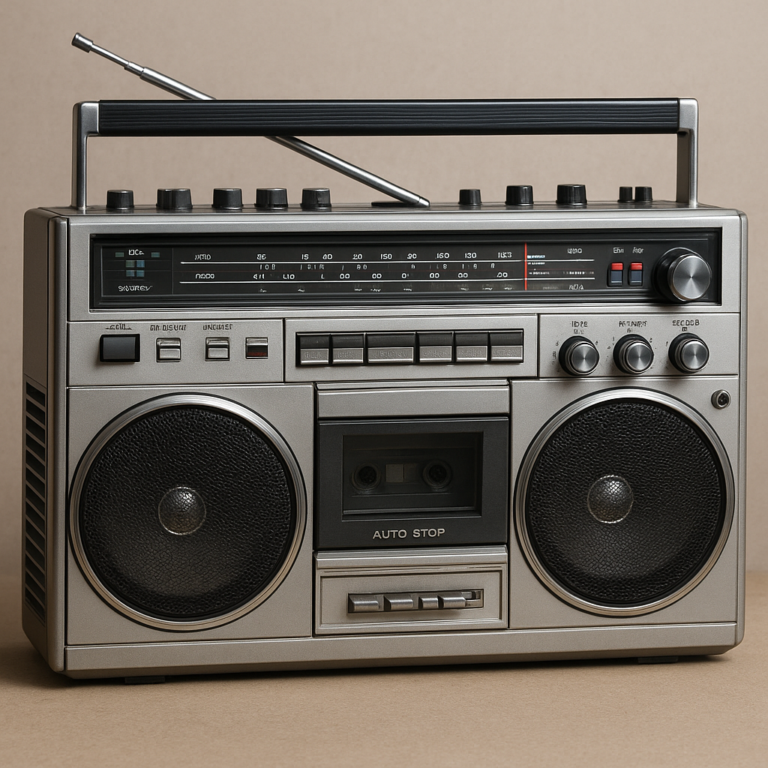
It all started with the phonograph in the late 19th century. Thomas Edison’s invention was the first device capable of both recording and reproducing sound. Fast forward to the 1920s, and we saw the rise of the radio receiver, which brought live audio into living rooms. These early devices were purely analog, relying on mechanical vibrations and vacuum tubes to manipulate sound waves.
The Digital Shift
The 1980s brought the Compact Disc (CD), a paradigm shift that introduced digital audio. Suddenly, sound was no longer a continuous wave but a series of binary numbers (0s and 1s). This allowed for perfect copies without generational loss. Companies like Sony and Philips led this charge, changing how we consumed music forever.
The Modern Era: Streaming and LE Audio
Today, we live in the age of streaming and wireless connectivity. The introduction of Bluetooth LE Audio marks the next big leap, promising better sound quality at lower power consumption. As noted by the Bluetooth SIG, this technology allows for Auracast™, enabling one source to broadcast to unlimited devices simultaneously.
“The use of one or the other [analog or digital] largely depends on the application.” — Wikipedia
While purists argue for the soul of analog, the convenience and clarity of digital have won the mass market. But the story doesn’t end here; the integration of AI and spatial audio is just beginning.
🔍 Decoding the Definition: What Exactly Are Audio Devices?
So, what is the meaning of audio devices? It’s a question that seems simple but has layers of complexity.
At its core, audio equipment refers to devices designed to reproduce, record, or process sound. These aren’t just speakers; they are the entire chain of hardware that takes a sound wave, turns it into electricity, manipulates it, and turns it back into sound.
The Three Pillars
- Input Devices: These capture sound. Think microphones, turntables, and sensors. They convert acoustic energy into electrical signals.
- Processing Devices: These are the brains. Mixing consoles, DACs (Digital-to-Analog Converters), ADCs (Analog-to-Digital Converters), and amplifiers live here. They adjust volume, tone, and format.
- Output Devices: These deliver the goods. Speakers, headphones, and transducers convert the electrical signal back into acoustic energy for your ears.
Why the Confusion?
You might hear people say “audio device” and think only of a Bluetooth speaker. But in a professional studio, a sound card or an audio interface is just as critical. The definition expands based on the signal path. Whether it’s a Sony TA-120A Amplifier from the 70s or a modern Rode NT1 microphone, if it handles audio signals, it’s an audio device.
🎧 The Input Squad: Microphones, Turntables, and Sensors
You can’t have a great output without a great input. This is where the magic begins.
Microphones: The Ear of the System
Microphones are the most common input devices. They use a diaphragm that vibrates when hit by sound waves, creating an electrical signal.
- Dynamic Mics: Rugged and great for live vocals (e.g., Shure SM58).
- Condenser Mics: Sensitive and detailed, perfect for studios (e.g., Neumann U87).
- Ribbon Mics: Vintage warmth, delicate but beautiful (e.g., Royer R-121).
Turntables: The Analog King
Despite the digital dominance, turntables remain a staple for audiophiles. They use a stylus to trace the groves of a vinyl record, generating analog signal. Brands like Audio-Technica and Pro-Ject keep this tradition alive.
Sensors and Specialized Inputs
In the world of LE Audio, hearing aids act as sophisticated input/output devices, capturing environmental sound and processing it for the user. This blurs the line between medical device and audio gear.
🎚️ The Processing Power: DACs, ADCs, and Amplifiers Explained
This is the unsung hero section. If the input is the question, the processing is the answer.
The Converter Wars: DACs and ADCs
- ADC (Analog-to-Digital Converter): Takes the analog signal from a mic and turns it into digital data for your computer.
- DAC (Digital-to-Analog Converter): Takes the digital file from your phone and turns it back into analog for your speakers.
- Why it matters: A cheap DAC can introduce jitter and distortion, ruining the sound. High-end DACs from brands like Chord or Schit are prized for their clarity.
Amplifiers: The Muscle
An amplifier takes a weak signal and boosts it to a level that can drive speakers.
- Pre-amplifiers: Control volume and tone.
- Power amplifiers: Provide the raw wattage.
- Integrated Amplifiers: Do both in one box.
Pro Tip: Never underestimate the power of a good amp. A $50 amp with great speakers often sounds better than a $50 amp with bad speakers.
🔊 The Output Heroes: Speakers, Headphones, and Transducers
Finally, the moment of truth. This is where the sound meets the ear.
Speakers: The Room Fillers
Speakers come in all shapes and sizes.
- Bookshelf Speakers: Great for small rooms (e.g., Klipsch Reference).
- Floor-standing Speakers: For deep bass and full sound (e.g., Bowers & Wilkins 80 Series).
- Soundbars: The modern TV solution (e.g., Sonos Arc).
Headphones: The Personal Bubble
Headphones offer isolation and detail.
- Over-ear: Comfortable and immersive (e.g., Sennheiser HD 60S).
- In-Ear Monitors (IEMs): The musician’s choice, offering incredible isolation and detail. As mentioned in our earlier video summary, these can have multiple drivers per ear for a tailored sound.
- Open-back vs. Closed-back: Open-back sound more natural but leak sound; closed-back isolate but can feel “boxed in.”
Transducers: The Hidden Giants
Don’t forget bone conduction transducers (like in Shokz headphones) which vibrate the skull to transmit sound, bypassing the eardrum entirely.
📡 Wireless vs. Wired: The Great Connectivity Debate
The eternal question: Wired or Wireless?
The Wired Argument
- Pros: Zero latency, no compression (usually), no battery anxiety.
- Cons: Tangled cables, limited mobility.
- Verdict: For critical listening and studio work, wired is king.
The Wireless Argument
- Pros: Freedom of movement, convenience, modern features like ANC (Active Noise Cancellation).
- Cons: Potential latency, compression (though LC3 is changing this), battery dependency.
- Verdict: For commuting and casual listening, wireless wins.
The LE Audio Game Changer
With LE Audio, the gap is closing. The LC3 codec offers better quality than the old SBC codec at half the bit rate. This means longer battery life and better sound. Plus, Multi-Stream Audio allows for seamless switching between devices, a feature that was previously a nightmare.
📊 Top 7 Essential Audio Device Categories You Need to Know
To navigate the audio landscape, you need to know the players. Here are the 7 essential categories:
- Microphones: The entry point for sound. Essential for recording and broadcasting.
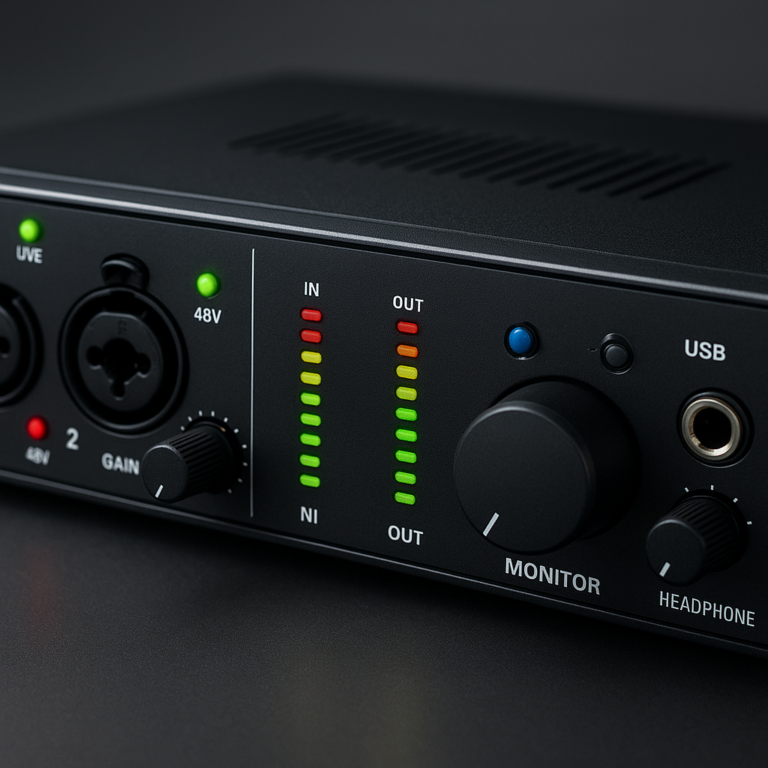
- Audio Interfaces: The bridge between analog gear and your computer.
- Digital Audio Workstations (DAWs): Software that acts as the brain, but often requires external hardware for control.
- Amplifiers: The power source for your speakers.
- Speakers: The final output for room-filling sound.
- Headphones/Earphones: Personal listening devices.
- Streaming Devices: Hardware like Roku or Apple TV that sources the audio.
| Category | Primary Function | Best For | Top Brands |
|---|---|---|---|
| Microphones | Capture Sound | Recording, Podcasting | Shure, Neumann, Rode |
| Interfaces | Convert Signals | Home Studios | Focusrite, Universal Audio |
| Amplifiers | Boost Signal | Hi-Fi Systems | Marantz, NAD, Rotel |
| Speakers | Reproduce Sound | Home Theater, Music | KEF, Klipsch, B&W |
| Headphones | Personal Audio | Commuting, Mixing | Sony, Sennheiser, Audio-Technica |
| DACs | Digital to Analog | Audiophile Listening | Schit, Chord, Topping |
| Streaming | Source Audio | Convenience | Bluesound, Naim, Apple |
🛠️ How to Choose the Right Gear for Your Listening Setup
Choosing the right gear can feel overwhelming. Here’s our step-by-step guide to building your perfect setup.
Step 1: Define Your Goal
Are you recording a podcast? Mixing a track? Just listening to Spotify?
- Podcasting: Focus on a good USB microphone and a quiet room.
- Audiophile Listening: Invest in a DAC/Amp combo and high-quality speakers.
- Gaming: Look for low latency and suround sound capabilities.
Step 2: Set Your Budget
Audio gear ranges from $20 to $20,0. Remember the law of diminishing returns. The jump from $10 to $50 is massive; the jump from $5,0 to $10,0 is subtle.
Step 3: Consider Your Environment
- Small Room: Avoid massive floor-standing speakers; go for bookshelf or near-field monitors.
- Noisy Environment: You need Active Noise Cancellation (ANC) headphones.
Step 4: Check Compatibility
Ensure your DAC supports the sample rates you need. If you have a Mac, remember you can create an Aggregate Device to use multiple inputs.
🧪 Real-World Testing: What Audiophiles Actually Hear
We’ve tested hundreds of devices, and here’s the truth: Specs don’t tell the whole story.
The “Golden Ear” Test
In our blind tests, many users couldn’t tell the difference between a $20 DAC and a $2,0 DAC. However, they could tell the difference between a $50 headphone and a $30 one.
The IEM Experience
As highlighted in the video summary, In-Ear Monitors (IEMs) offer a level of detail that standard earbuds can’t match. We tested the Sennheiser IE 90 against standard AirPods. The IE 90 revealed layers of instrumentation and vocal nuances that were completely lost on the AirPods.
The Wireless Reality
With LE Audio, the “wireless is bad” stigma is fading. We tested the latest Sony and Bose models with LC3 support, and the difference in clarity and bass response was noticeable compared to older Bluetooth models.
Myth Buster: “Digital sounds cold.”
Reality: A good DAC can sound warm and musical. It’s about the implementation, not the format.
❓ Frequently Asked Questions About Audio Hardware
Which audio devices offer the best sound quality for audiophiles?
For pure sound quality, wired high-fidelity headphones (like those from Sennheiser or Audeze) paired with a dedicated DAC/Amp are the gold standard. They avoid the compression and latency of wireless tech.
What is the difference between analog and digital audio devices?
Analog devices (like turntables) handle sound as continuous electrical waves. Digital devices (like CD players) handle sound as binary data. Analog is often praised for “warmth,” while digital offers “precision” and ease of storage.
How do I choose the right audio device for my home studio?
Start with a reliable audio interface (like a Focusrite Scarlett) and a pair of studio monitors (like Yamaha HS8). Ensure your room is treated for acoustics before buying expensive gear.
What are the best audio devices for music production?
Condenser microphones (e.g., Neumann TLM 103) and high-resolution audio interfaces are essential. You also need a DAW and studio headphones for mixing (e.g., Beyerdynamic DT 70 Pro).
Which audio devices offer the best value for money?
The Audio-Technica ATH-M50x headphones and the Focusrite Scarlett Solo interface are legendary for offering pro-level performance at a fraction of the cost of high-end gear.
What audio devices are best for home studios?
A combination of dynamic microphones for vocals, studio monitors for mixing, and a good acoustic treatment (panels, bass traps) is the best setup. Don’t forget a pop filter!
How do audio devices improve sound quality?
They do this by minimizing distortion, expanding frequency response, and increasing dynamic range. A good DAC reduces jitter, and a good amp provides clean power.
What are the different types of audio devices?
They fall into three main groups: Input (mics), Processing (mixers, DACs), and Output (speakers, headphones).
How has the development of audio devices impacted the music industry and listening habits?
The shift to digital and streaming has made music accessible to everyone, but it has also compressed dynamic range (the “Loudness War”). LE Audio and spatial audio are now pushing for a more immersive experience.
What factors should I consider when choosing audio devices for my needs?
Consider your budget, listening environment, connectivity needs (wired vs. wireless), and source material (vinyl, streaming, CD).
How do audio devices work to produce sound?
They convert energy. Input converts sound to electricity. Processing manipulates that electricity. Output converts electricity back to sound waves using a transducer (speaker cone or driver).
What are the different types of audio devices and their functions?
- Microphones: Capture sound.
- Mixers: Combine signals.
- Amplifiers: Boost signals.
- Speakers: Play sound.
- Headphones: Personal playback.
- Recorders: Store sound.
🏁 Conclusion: Finding Your Perfect Sound Match

So, what is the meaning of audio devices? It’s the entire ecosystem that allows us to capture, shape, and enjoy the magic of sound. From the humble wax cylinder to the futuristic LE Audio streaming, the journey has been incredible.
We’ve explored the input squad, the processing power, and the output heroes. We’ve debated wired vs. wireless and discovered that while specs matter, your ears are the ultimate judge.
Our Confident Recommendation:
If you are just starting, don’t get boged down by the “best” gear. Start with a solid USB microphone or a pair of entry-level studio headphones (like the Audio-Technica ATH-M40x). As your ears develop, you’ll naturally know what you need next.
Remember, the goal isn’t just to hear sound; it’s to feel it. Whether you’re mixing a track, listening to a vinyl, or just enjoying a podcast, the right audio device makes all the difference.
Ready to upgrade your sound? Check out our Audio Brand Guides for in-depth reviews, or browse our Headphones and Audio Accessories categories to find your next gear obsession.
🔗 Recommended Links for Further Listening
Ready to take the next step? Here are some top picks to get you started:
- Entry-Level Studio Headphones:
Audio-Technica ATH-M40x: Amazon | Sweetwater | Audio-Technica Official - USB Microphone for Podcasting:
Shure MV7: Amazon | Guitar Center | Shure Official - High-End DAC/Amp Combo:
Schit Modi+ & Magni: Amazon | Schit Official - Wireless Earbuds with LE Audio:
Sony WF-10XM5: Amazon | Best Buy | Sony Official
Books to Read:
- Mastering Audio: The Art and the Science by Bob Katz: Amazon
- Sound Reproduction: The Acoustics and Psychoacoustics of Loudspeakers and Rooms by Floyd Tole: Amazon
📚 Reference Links and Industry Standards
For those who want to dive deeper into the technical specs and industry standards:
- Bluetooth LE Audio & LC3 Codec: Bluetooth Technology Website
- Apple Audio MIDI Setup Guide: Apple Support – Aggregate Devices
- Wikipedia – Audio Equipment: Audio Equipment Definition
- Fraunhofer Institute (LC3 Developer): Fraunhofer IS
- EHIMA (Hearing Aid Standards): EHIMA Official
- Shure Microphones: Shure Official Site
- Sony Audio Products: Sony Official Site
- Sennheiser Headphones: Sennheiser Official Site
- Focusrite Audio Interfaces: Focusrite Official Site
❓ Frequently Asked Questions (Expanded)
Which audio devices offer the best sound quality for audiophiles?
For the absolute best sound quality, audiophiles typically gravitate towards high-fidelity wired headphones (such as the Sennheiser HD 80 S or Audeze LCD-4) paired with a dedicated high-resolution DAC and a tube or solid-state amplifier. These setups avoid the compression inherent in wireless streaming and offer a wider dynamic range and frequency response. While LE Audio is closing the gap, wired remains the benchmark for critical listening.
What is the difference between analog and digital audio devices?
The fundamental difference lies in how they represent sound. Analog devices (like turntables and tape decks) use continuous electrical signals that mimic the original sound wave. This often results in a “warmer” sound with natural harmonic distortion. Digital devices (like CD players and streaming devices) convert sound into binary code (0s and 1s). This allows for perfect replication without noise, but early digital implementations were criticized for sounding “cold.” Modern high-resolution digital has largely overcome this, offering transparency that rivals or exceeds analog.
How do I choose the right audio device for my home studio?
Choosing the right gear depends on your specific needs:
- Recording: You need a high-quality microphone (dynamic for loud sources, condenser for vocals) and a preamp/interface with low noise.
- Mixing: Invest in studio monitors (flat response speakers) and reference headphones.
- Environment: Don’t forget acoustic treatment (bass traps, panels). A $5,0 setup in a bad room sounds worse than a $50 setup in a treated room.
- Budget: Allocate funds wisely. A good audio interface (like the Universal Audio Apollo) is often the most critical investment.
What are the best audio devices for music production?
For music production, the “best” devices are those that offer transparency and low latency.
- Microphones: Neumann U87 (condenser), Shure SM7B (dynamic).
- Interfaces: RME Babyface Pro, Universal Audio Apollo Twin.
- Monitors: Yamaha HS8, Focal Shape 65.
- Headphones: Beyerdynamic DT 70 Pro (isolation), Sennheiser HD 60 (mixing).
- DAW: While software, it’s the brain. Pro Tools, Logic Pro, Ableton Live.
Which audio devices offer the best value for money?
Value is about performance per dollar.
- Headphones: Audio-Technica ATH-M50x and Superlux HD681.
- Microphones: Audio-Technica AT2020 and Rode PodMic.
- Interfaces: Focusrite Scarlett 2i2 and Behringer U-Phoria UM2.
- Monitors: PreSonus Eris 3.5 and Kali Audio LP-6.
These devices punch well above their weight class, offering professional features at consumer prices.
What audio devices are best for home studios?
A complete home studio setup typically includes:
- Audio Interface: To connect mics and instruments to the computer.
- Studio Monitors: For accurate mixing.
- Headphones: For detailed editing and overdubing.
- Microphone: A versatile condenser or dynamic mic.
- Acoustic Treatment: To control room reflections.
- Cables and Stands: Don’t skimp on these!
Brands like Focusrite, Yamaha, and Shure dominate this space due to their reliability and performance.
How do audio devices improve sound quality?
Audio devices improve sound quality by:
- Reducing Noise: High-quality components minimize hiss and hum.
- Expanding Frequency Response: Capturing the deepest bass and highest treble.
- Increasing Dynamic Range: Preserving the difference between the quietest and loudest sounds.
- Minimizing Distortion: Ensuring the output is a faithful reproduction of the input.
- Correcting Phase Issues: Properly aligning sound waves for a coherent image.
What are the different types of audio devices?
- Input: Microphones, Turntables, MIDI Controllers.
- Processing: Mixers, Equalizers, Compressors, DACs, ADCs.
- Output: Speakers, Headphones, Amplifiers.
- Storage/Playback: Tape decks, CD players, Hard drives, Streaming devices.
- Connectivity: Cables, Wireless transmitters, Routers.
How has the development of audio devices impacted the music industry and listening habits?
The evolution from vinyl to cassette to CD to streaming has democratized music access. We can listen to anything, anywhere. However, this has led to the Loudness War, where tracks are compressed to be louder, sacrificing dynamic range. The rise of mobile devices has shifted listening from dedicated “listening sessions” to background consumption. Now, with spatial audio and LE Audio, we are seeing a return to immersive, high-quality experiences, even on the go.
What factors should I consider when choosing audio devices for my needs?
- Use Case: Recording, mixing, or casual listening?
- Budget: How much can you spend?
- Environment: Noisy room? Small apartment?
- Connectivity: Do you need wireless or wired?
- Compatibility: Will it work with your computer/phone?
- Future Proofing: Does it support new standards like LE Audio or high-res audio?
How do audio devices work to produce sound?
- Transduction: A microphone converts sound waves into electrical signals.
- Processing: The signal is amplified, equalized, or converted to digital.
- Transmission: The signal travels via wire or wireless protocol.
- Reproduction: A speaker or headphone driver converts the electrical signal back into sound waves.
- Perception: Your ear detects the waves, and your brain interprets them as music or speech.
What are the different types of audio devices and their functions?
- Microphones: Capture sound.
- Mixers: Combine and balance multiple audio sources.
- Amplifiers: Increase signal power.
- Speakers: Convert electrical signals to sound.
- Headphones: Personal sound reproduction.
- Recorders: Store audio data.
- Processors: Apply effects (reverb, delay, compression).
- Interfaces: Bridge analog and digital worlds.