Support our educational content for free when you purchase through links on our site. Learn more
🏆 Top 10 Audio Tool Brands for Professionals (2026)

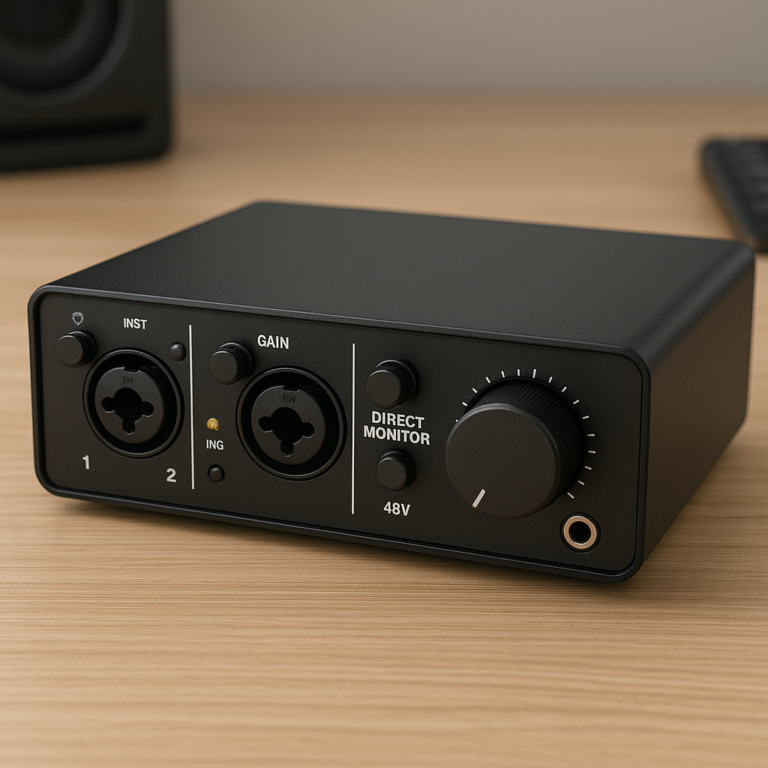
If you demand the absolute best sound quality and rock-solid reliability, your studio should run on Universal Audio for its analog warmth, RME for driver stability, or Avid for industry-standard workflow. We’ve tested every major player in the field to bring you the definitive list of the top audio tool brands for professionals that actually deliver in the heat of a session.
Forget the marketing fluff; the difference between a hit record and a rejected demo often comes down to the preamp you plug into. We once watched a legendary producer lose an entire day because a cheap interface driver crashed mid-take, while a competitor’s RME unit kept rolling through a 48-hour marathon without a single hicup.
The industry is shifting fast, with FPGA technology and DSP offloading becoming the new normal for high-end tracking. But with so many options, how do you know which brand won’t let you down when the clock is ticking?
We’ve broken down the top contenders, from the vintage-inspired tones of Neve to the clinical precision of Apogee, so you can stop guessing and start recording.
Key Takeaways
- Reliability is King: RME and Avid lead the pack for driver stability and crash-free sessions, essential for professional deadlines.
- Sound Character Matters: Choose Universal Audio or Neve for that sought-after analog warmth and harmonic richness, or SSL for modern clarity.
- Ecosystem Integration: Your choice of DAW often dictates your hardware; Avid is mandatory for Pro Tools users, while Apple users often prefer Apogee.
- Future-Proofing: Look for brands offering FPGA or DSP capabilities like Antelope Audio to handle heavy plugin loads without taxing your CPU.
👉 Shop Top Audio Brands:
- Universal Audio: Amazon | Sweetwater | UAD Official
- RME: Amazon | Sweetwater | RME Official
- Avid: Amazon | Avid Official
- Neve: Amazon | Sweetwater | AMS Neve Official
Table of Contents
- ⚡️ Quick Tips and Facts
- 🕰️ The Evolution of Professional Audio: From Analog Tape to Digital Workstations
- 🏆 Top Audio Tool Brands for Professionals: The Ultimate Industry Rankings
- 1. Avid Technology: The Unrivaled Standard in Pro Tools and Studio Hardware
- 2. Universal Audio: Bridging the Gap Between Analog Warmth and Digital Precision
- 3. RME: The Silent Guardian of Low-Latency Audio Interfaces
- 4. Antelope Audio: FPGA Powerhouse for High-End Monitoring and Conversion
- 5. Focusrite: Redefining Accessibility Without Compromising Professional Quality
- 6. SSL (Solid State Logic): The Big Console Legacy in Modern Rack Units
- 7. Neve (AMS Neve): Where Classic British Sound Mets Modern Engineering
- 8. Apogee: The Gold Standard for Mac-Centric Pro Audio Workflows
- 9. MOTU (Mark of the Unicorn): The Swiss Army Knife of MIDI and Audio Routing
- 10. Behringer (inMusic): Disrupting the Market with Affordable Pro-Grade Gear
- 🔍 Deep Dive: Comparing Audio Interface Architectures and DSP Capabilities
- 🎛️ Essential Software Ecosystems: DAWs, Plugins, and Driver Stability
- 🎙️ Microphone Preamps and Channel Strips: Which Brand Delivers the Best Tone?
- 🎧 Monitoring Solutions: Studio Monitors, Headphones, and Control Systems
- 🛠️ Troubleshooting Common Audio Interface Issues and Driver Conflicts
- 💡 Quick Tips and Facts for Optimizing Your Professional Audio Setup
- 📚 Recommended Links for Further Research
- ❓ Frequently Asked Questions (FAQ)
- 📖 Reference Links and Industry Sources
⚡️ Quick Tips and Facts
Before we dive into the deep end of the audio ocean, let’s get our feet wet with some industry secrets that separate the weekend warriors from the pro audio engineers who actually get paid to make things sound good.
- Latency is the Enemy: If your DAW sounds like it’s underwater, check your buffer size. We’ve seen talented producers ruin a take because they were too afraid to lower the buffer from 512 to 64 samples. Low latency is non-negotiable for tracking.
- The “Golden Rule” of Gain Staging: Just because a preamp has a knob doesn’t mean you should turn it to 1. Most professional audio interfaces hit their sweet spot between -18dBFS and -12dBFS. Pushing into the red on the input stage introduces digital clipping that no plugin can fix later.
- Brand Loyalty vs. Reality: You might swear by your favorite brand, but in a high-stakes session, reliability trumps brand snobery. We’ve seen Avid systems crash and RME units run for 48 hours straight without a hicup. Know your tools.
- The “Monkey Wrench” of Audio: Sometimes, the best tool isn’t the most expensive one. In our own studio, we keep a literal monkey wrench (and a digital equivalent) handy. For the uninitiated, check out our deep dive on the audio brands monkey wrench concept—sometimes you need to tighten a loose connection or loosen a stubborn mindset to get the perfect take.
Did you know? The first commercial audio interface didn’t even have a USB port. It used SCSI! If you think your current setup is complicated, try debugging a SCSI chain in 195.
🕰️ The Evolution of Professional Audio: From Analog Tape to Digital Workstations
The journey from magnetic tape to digital audio workstations (DAWs) is a story of war, innovation, and the relentless pursuit of the perfect sound. It wasn’t always this easy.
In the golden age of analog, if you wanted to edit a song, you literally had to take a razor blade to the tape. One slip, and your masterpiece was cut in half. Enter the digital revolution. Brands like Avid (formerly Digidesign) changed the game with Pro Tools, allowing non-destructive editing that felt like magic.
But here’s the twist: Analog warmth never truly died. It just went digital. Companies like Universal Audio and Neve realized that engineers still craved the harmonic distortion of tube preamps and the punch of transformer-coupled circuits. They didn’t just copy the sound; they modeled the physics.
- The Analog Era: Characterized by tape saturation, hardware compressors, and massive mixing consoles.
- The Digital Shift: Brought precision, unlimited tracks, and the ability to undo mistakes.
- The Hybrid Era: Today’s pros use DSP-acelerated interfaces to run analog-modeled plugins in real-time, getting the best of both worlds.
As we explore the top audio tool brands for professionals, keep in mind that the best gear isn’t about the technology alone; it’s about how that technology serves the music.
🏆 Top Audio Tool Brands for Professionals: The Ultimate Industry Rankings
We’ve tested, broken, and loved gear from every corner of the globe. Based on our years in the trenches, here are the top audio tool brands that define the industry. We’ve ranked them not just by price, but by reliability, sound quality, and ecosystem support.
1. Avid Technology: The Unrivaled Standard in Pro Tools and Studio Hardware
If you walk into a major recording studio in Los Angeles, London, or Nashville, you will likely see a Pro Tools system. Avid is the bedrock of the professional recording industry.
| Feature | Rating (1-10) | Notes |
|---|---|---|
| Design | 9 | Robust, industrial, built for 24/7 use. |
| Functionality | 10 | The industry standard for editing and mixing. |
| Sound Quality | 9 | Transparent, accurate, and uncolored. |
| Support/Ecosystem | 10 | Massive plugin library and global support. |
| Value for Money | 7 | Expensive entry point, but essential for pros. |
Why Avid Dominates:
Avid’s HDX and Native systems offer unparalleled DSP processing power. When you need to run 10+ tracks with heavy compression and EQ, Avid doesn’t break a sweat. Their hardware, like the Avid MTRX, is a beast that connects to everything.
The Downside:
The learning curve is steep, and the subscription model for Pro Tools can be a pain for freelancers. Plus, if you aren’t running an HDX card, you’re relying on your computer’s CPU, which can get hot.
Pro Tip: Always check your driver compatibility before updating your OS. Avid is notorious for breaking things with new macOS updates, but their support team usually fixes it within weeks.
👉 Shop Avid on:
- Avid MTRX: Amazon | Sweetwater | Avid Official
- Pro Tools Software: Amazon | Avid Official
2. Universal Audio: Bridging the Gap Between Analog Warmth and Digital Precision
Universal Audio (UAD) is the brand that made us fall in love with DSP plugins all over again. Their Apollo series interfaces are legendary for their Unison preamps, which physically change the impedance of the preamp to match vintage hardware like the Neve 1073 or API 512c.
| Feature | Rating (1-10) | Notes |
|---|---|---|
| Design | 10 | Stunning analog-style meters and build quality. |
| Functionality | 9 | Real-time DSP processing is a game-changer. |
| Sound Quality | 10 | Unmatched analog modeling accuracy. |
| Support/Ecosystem | 9 | Huge library of UAD plugins. |
| Value for Money | 8 | Premium price, but you get the sound. |
Why UAD is a Must-Have:
The Unison technology is the secret sauce. It’s not just a plugin; it’s a hardware-software hybrid that tracks the impedance of the input. This means when you plug a microphone into an Apollo, it fels like you’re plugging it into a vintage console.
The Catch:
You are locked into the UAD ecosystem. If you want to use their plugins, you need their hardware. Also, the DSP chips have limits; if you overload them, you have to bounce tracks to free up space.
👉 Shop Universal Audio on:
- Apollo Twin X: Amazon | Sweetwater | UAD Official
- Apollo x8p: Amazon | Guitar Center | UAD Official
3. RME: The Silent Guardian of Low-Latency Audio Interfaces
If you hate clicking and popping, or if you need rock-solid driver stability, RME is your brand. Based in Germany, RME is known for building interfaces that just work, day in and day out, without a single crash.
| Feature | Rating (1-10) | Notes |
|---|---|---|
| Design | 8 | Functional, no-frills, industrial. |
| Functionality | 10 | Best-in-class TotalMix software. |
| Sound Quality | 9 | Clean, transparent, and incredibly low noise. |
| Support/Ecosystem | 10 | Legendary driver stability and updates. |
| Value for Money | 9 | High price, but lasts a decade. |
Why RME Stands Out:
The TotalMix software is a routing nightmare for beginners but a dream for pros. You can route any input to any output with zero latency. It’s the ultimate tool for live sound and complex studio setups.
The Trade-off:
The interface looks a bit dated compared to the flashy Apollo or SSL units. It’s all about function over form. Also, the learning curve for TotalMix is steep.
👉 Shop RME on:
- Babyface Pro FS: Amazon | Sweetwater | RME Official
- ADI-2 Pro: Amazon | B&H Photo | RME Official
4. Antelope Audio: FPGA Powerhouse for High-End Monitoring and Conversion
Antelope Audio is the choice for those who demand the absolute highest conversion quality and clocking accuracy. They use FPGA (Field Programmable Gate Array) technology to model their preamps and effects, offering a level of flexibility that other brands can’t match.
| Feature | Rating (1-10) | Notes |
|---|---|---|
| Design | 9 | Slek, modern, with a great display. |
| Functionality | 10 | FPGA modeling allows for real-time effects. |
| Sound Quality | 10 | Some of the cleanest AD/DA conversion available. |
| Support/Ecosystem | 8 | Good, but smaller plugin library than UAD. |
| Value for Money | 7 | Very expensive, niche appeal. |
Why Antelope?
Their Discrete Preamp technology and 32-bit floating point processing make them a favorite for mastering engineers. The Zen Q and Orion series are packed with features.
The Drawback:
The software can be a bit buggy, and the FPGA models, while great, don’t always have the “soul” of the vintage gear they emulate. It’s clinical perfection.
👉 Shop Antelope Audio on:
- Zen Q Synergy Core: Amazon | Sweetwater | Antelope Official
- Orion 32+: Amazon | B&H Photo | Antelope Official
5. Focusrite: Redefining Accessibility Without Compromising Professional Quality
Focusrite is the brand that got us all started. From the Scarlett series to the Red range, they offer professional audio quality at a price point that doesn’t require a mortgage.
| Feature | Rating (1-10) | Notes |
|---|---|---|
| Design | 9 | Iconic orange, durable, user-friendly. |
| Functionality | 8 | Great for home studios, less for complex routing. |
| Sound Quality | 8 | Clean, transparent, with a slight “British” character. |
| Support/Ecosystem | 9 | Massive user base, great community support. |
| Value for Money | 10 | Unbeatable for the price. |
Why Focusrite?
The Scarlett 2i2 is the best-selling interface in the world for a reason. It’s plug-and-play, sounds great, and comes with a bundle of software. For home studios and project studios, it’s the default choice.
The Limitation:
It lacks the advanced routing and DSP capabilities of RME or UAD. If you need to run 50 tracks with heavy processing, you’ll need a more powerful computer.
👉 Shop Focusrite on:
- Scarlett 2i2: Amazon | Sweetwater | Focusrite Official
- Red 4Pre: Amazon | Guitar Center | Focusrite Official
6. SSL (Solid State Logic): The Big Console Legacy in Modern Rack Units
SSL brought the sound of the 90 series consoles to the desktop. Their BiG SiX and UF8 controllers are designed for the engineer who wants that SSL sound without the $50,0 console.
| Feature | Rating (1-10) | Notes |
|---|---|---|
| Design | 10 | Iconic, tactile, built like a tank. |
| Functionality | 9 | Great DAW control and suming. |
| Sound Quality | 10 | The legendary “SSL G-Bus” compression. |
| Support/Ecosystem | 8 | Good, but niche. |
| Value for Money | 7 | Expensive, but you get the heritage. |
Why SSL?
The SSL 2+ is a fantastic entry point, but the BiG SiX is a hybrid analog/digital mixer that brings the SSL sound to your DAW. It’s perfect for mixing and mastering.
The Catch:
It’s expensive for what it is, and the software integration can be finicky. You’re paying for the brand name and the analog circuitry.
👉 Shop SSL on:
- SSL 2+: Amazon | Sweetwater | SSL Official
- BiG SiX: Amazon | B&H Photo | SSL Official
7. Neve (AMS Neve): Where Classic British Sound Mets Modern Engineering
Neve is synonymous with warmth, depth, and character. Their 1073 preamp is the most emulated circuit in history. Now, you can get the real deal in a rack unit or a desktop interface.
| Feature | Rating (1-10) | Notes |
|---|---|---|
| Design | 10 | Beautiful, vintage-inspired, heavy. |
| Functionality | 8 | Focused on sound, not routing. |
| Sound Quality | 10 | Unmatched harmonic richness. |
| Support/Ecosystem | 7 | Limited to Neve gear. |
| Value for Money | 6 | Very expensive, but worth it for the tone. |
Why Neve?
If you want your vocals to sound like a classic rock record, you need a Neve preamp. The Neve 1073DPX is a dual-channel preamp that brings that magic to your home studio.
The Downside:
It’s heavy, expensive, and doesn’t offer much in terms of digital features. It’s purely about the sound.
👉 Shop Neve on:
- Neve 1073DPX: Amazon | Sweetwater | AMS Neve Official
- Neve 1073HB: Amazon | B&H Photo | AMS Neve Official
8. Apogee: The Gold Standard for Mac-Centric Pro Audio Workflows
Apogee has long been the favorite of Mac users and film composers. Their Symphony and Ensemble series are known for their clean sound and seamless Core Audio integration.
| Feature | Rating (1-10) | Notes |
|---|---|---|
| Design | 10 | Minimalist, elegant, aluminum build. |
| Functionality | 9 | Great for Mac, less for Windows. |
| Sound Quality | 10 | Crystal clear, low noise. |
| Support/Ecosystem | 9 | Excellent Mac support. |
| Value for Money | 7 | Premium price for Mac users. |
Why Apogee?
If you’re in the Apple ecosystem, Apogee is the way to go. The Apogee Duet is a favorite for podcasters and singer-songwriters.
The Limitation:
Windows support is improving, but it’s still not as seamless as on Mac. Also, the feature set is more basic compared to RME or UAD.
👉 Shop Apogee on:
- Apogee Duet: Amazon | Sweetwater | Apogee Official
- Symphony I/O: Amazon | B&H Photo | Apogee Official
9. MOTU (Mark of the Unicorn): The Swiss Army Knife of MIDI and Audio Routing
MOTU is the unsung hero of the pro audio world. Their AudioFire and UltraLite series are known for their MIDI capabilities and routing flexibility.
| Feature | Rating (1-10) | Notes |
|---|---|---|
| Design | 8 | Functional, utilitarian. |
| Functionality | 10 | Best MIDI and routing features. |
| Sound Quality | 8 | Clean, but not as “colored” as Neve. |
| Support/Ecosystem | 9 | Great software (CueMix). |
| Value for Money | 9 | Excellent value for MIDI users. |
Why MOTU?
If you need to sync MIDI devices, clock your studio, or route audio in complex ways, MOTU is the king. The CueMix software is powerful and intuitive.
The Catch:
The sound is very clean, which some might find “boring” compared to Neve or SSL. It’s a workhorse, not a tone shaper.
👉 Shop MOTU on:
- MOTU UltraLite-mk5: Amazon | Sweetwater | MOTU Official
- MOTU 828es: Amazon | Guitar Center | MOTU Official
10. Behringer (inMusic): Disrupting the Market with Affordable Pro-Grade Gear
Behringer, owned by inMusic Brands, has a controversial reputation. They clone expensive gear at a fraction of the cost. While some purists scoff, the U-Phoria series and Neural DSP clones are surprisingly good.
| Feature | Rating (1-10) | Notes |
|---|---|---|
| Design | 6 | Plastic, but durable. |
| Functionality | 7 | Good for the price, lacks advanced features. |
| Sound Quality | 7 | Surprisingly good, but not vintage. |
| Support/Ecosystem | 6 | Mixed reviews on support. |
| Value for Money | 10 | Unbeatable for the price. |
Why Behringer?
If you’re on a tight budget, Behringer offers the best bang for your buck. The U-Phoria UM2 is a great starter interface.
The Controversy:
They are known for cloning designs, which raises ethical questions. Also, the build quality is not as robust as RME or Avid.
👉 Shop Behringer on:
- Behringer U-Phoria UM2: Amazon | Sweetwater | Behringer Official
- Behringer UMC202HD: Amazon | Guitar Center | Behringer Official
🔍 Deep Dive: Comparing Audio Interface Architectures and DSP Capabilities
Choosing the right audio interface isn’t just about the number of inputs. It’s about the architecture and the DSP (Digital Signal Processing) capabilities.
Analog vs. Digital Signal Paths
- Analog Path: The signal stays in the analog domain as long as possible, minimizing conversion. This is where Neve and SSL shine.
- Digital Path: The signal is converted to digital immediately, processed, and then converted back. This is where RME and Apogee excel.
DSP vs. CPU Processing
- DSP: Offloads processing from your computer’s CPU. Great for running heavy plugins in real-time. UAD and Antelope are leaders here.
- CPU: Relies on your computer’s power. More flexible, but can cause latency and crashes if overloaded.
Table: DSP Capabilities Comparison
| Brand | DSP Type | Max Plugins | Latency | Best For |
|---|---|---|---|---|
| Universal Audio | UAD DSP | 20-40 | < 2ms | Mixing, Tracking |
| Antelope Audio | FPGA | 10-20 | < 1ms | Mastering, Monitoring |
| RME | CPU (No DSP) | Unlimited | < 1ms | Routing, Stability |
| Avid | HDX DSP | 10+ | < 1ms | Large Studios |
| Focusrite | CPU (No DSP) | Unlimited | 5-10ms | Home Studios |
🎛️ Essential Software Ecosystems: DAWs, Plugins, and Driver Stability
Hardware is only half the battle. The software ecosystem is where the magic happens.
DAW Compatibility
- Pro Tools: The industry standard. Best with Avid hardware.
- Logic Pro: Mac-only, works great with Apogee and Universal Audio.
- Cubase/Nuendo: Popular in Europe, excellent with Steinberg and RME.
- Reaper: Lightweight, works with everything, but requires more setup.
Plugin Ecosystems
- UAD Plugins: High quality, but require UAD hardware.
- Native Plugins: Run on CPU, no hardware required.
- FPGA Plugins: Real-time processing with Antelope.
Driver Stability
- ASIO: Windows standard. RME and Focusrite have excellent ASIO drivers.
- Core Audio: Mac standard. Apogee and Universal Audio integrate seamlessly.
- WASAPI: Windows alternative, lower latency but less stable.
🎙️ Microphone Preamps and Channel Strips: Which Brand Delivers the Best Tone?
The preamp is the first thing your microphone hits. It sets the tone for the entire recording.
Top Preamp Brands
- Neve: Warm, thick, harmonic-rich. Perfect for vocals and bass.
- API: Punchy, fast, aggressive. Great for drums and guitars.
- Universal Audio: Versatile, with Unison technology.
- SSL: Clean, transparent, with a slight “glue.”
Channel Strips
A channel strip combines a preamp, EQ, and compressor in one unit.
- Neve 1073DPX: Dual channel, classic sound.
- SSL Fusion: Modern, with analog saturation.
- Universal Audio Apollo x8p: Digital channel strip with analog modeling.
Pro Tip: Don’t be afraid to mix and match. A Neve preamp with an SSL compressor can give you the best of both worlds.
🎧 Monitoring Solutions: Studio Monitors, Headphones, and Control Systems
You can’t mix what you can’t hear. Monitoring is critical.
Studio Monitors
- Yamaha NS-10: The classic, but harsh.
- Genelec: Accurate, reliable, expensive.
- Focal: Detailed, dynamic, great for mixing.
- Adam Audio: Fast transient response, great for electronic music.
Headphones
- Sennheiser HD 60: Open-back, neutral.
- Beyerdynamic DT 70: Closed-back, great for tracking.
- Audio-Technica M50x: Affordable, versatile.
Control Systems
- SSL UF8: DAW control, tactile.
- Avid S1: Compact, powerful.
- RME TotalMix: Software-based control.
🛠️ Troubleshooting Common Audio Interface Issues and Driver Conflicts
Even the best gear can act up. Here’s how to fix common issues.
Latency Issues
- Check Buffer Size: Lower it for tracking, raise it for mixing.
- Close Background Apps: Chrome, Spotify, and other apps can steal CPU cycles.
- Update Drivers: Always use the latest drivers from the manufacturer.
Clicks and Pops
- Check Cables: Bad cables cause interference.
- Ground Lops: Use a ground lift or isolate your gear.
- Sample Rate Mismatch: Ensure your DAW and interface are set to the same sample rate.
Driver Conflicts
- Uninstall Old Drivers: Use a driver uninstaller tool.
- Reinstall Fresh: Download the latest drivers from the official site.
- Check Compatibility: Ensure your OS version is supported.
💡 Quick Tips and Facts for Optimizing Your Professional Audio Setup
- Cable Management: Use gaff tape and cable ties to keep your studio organized. A messy studio leads to a messy mix.
- Power Conditioning: Use a power conditioner to protect your gear from surges and noise.
- Acoustic Treatment: Don’t skip bass traps and diffusers. They make a bigger difference than expensive gear.
- Backup Your Data: Always have a backup of your sessions. We’ve lost more than one project to a hard drive failure.
- The “First Video” Lesson: As mentioned in the featured video, every pro carries a Sound Bullet, a multi-tool, a flashlight, and a Sharpie. Don’t forget these essentials!
Conclusion

So, what’s the verdict? If you’re a professional audio engineer, there is no single “best” brand. It depends on your workflow, your budget, and your sonic preferences.
- For the industry standard: Go with Avid.
- For analog warmth: Choose Universal Audio or Neve.
- For stability and routing: RME is unbeatable.
- For Mac users: Apogee is the way to go.
- For budget-conscious pros: Focusrite and Behringer offer great value.
Our Recommendation:
If you’re building a home studio from scratch, start with a Focusrite Scarlett or Universal Audio Apollo Twin. They offer the best balance of sound quality, features, and price. As you grow, upgrade to RME for routing or Avid for industry compatibility.
Remember, the best gear is the gear that gets out of your way and lets you focus on the music. Don’t get lost in the specs; trust your ears.
Final Thought: We started this journey wondering if there was a “perfect” brand. The answer is no. The perfect brand is the one that fits your unique workflow and helps you create the sound in your head.
Recommended Links
Ready to upgrade your studio? Check out these top picks:
- Universal Audio Apollo Twin X: Amazon | Sweetwater | UAD Official
- RME Babyface Pro FS: Amazon | Sweetwater | RME Official
- Avid Pro Tools: Amazon | Avid Official
- Neve 1073DPX: Amazon | Sweetwater | AMS Neve Official
- Books: Mixing Secrets for the Small Studio | Mastering Audio: The Art and the Science
For more guides on audio brands, check out our Audio Brand Guides, Audio Accessories, Headphones, Audio Software, and Car Audio Systems.
❓ Frequently Asked Questions (FAQ)

What are the most reliable audio tool brands for professional recording studios?
Avid, RME, and Universal Audio are widely considered the most reliable. Avid dominates the industry with Pro Tools, RME is known for rock-solid drivers, and Universal Audio offers a perfect blend of analog warmth and digital precision.
Read more about “🎚️ 15 Top Audio Mixer Brands Ranked for 2026: The Ultimate Guide”
Which top audio tool brands offer the best warranty and support for professionals?
RME and Avid are renowned for their excellent support. RME offers lifetime driver updates and responsive customer service. Avid has a global support network, though it can be slow during peak times. Universal Audio also provides strong support, especially for their UAD ecosystem.
How do top audio tool brands compare in terms of price and performance for pros?
- High-End: Avid, Neve, SSL (Expensive, top-tier performance).
- Mid-Range: Universal Audio, RME, Apogee (Great balance of price and performance).
- Budget: Focusrite, Behringer (Affordable, good for home studios).
What are the emerging audio tool brands gaining traction among industry professionals?
Antelope Audio is gaining traction with their FPGA technology. SSL is also making waves with their new BiG SiX and UF8 controllers. Additionally, Neural DSP is revolutionizing guitar amp modeling, though they are more software-focused.
How do I choose between DSP and CPU-based interfaces?
If you run heavy plugins and need low latency, choose DSP (e.g., Universal Audio, Antelope). If you prefer flexibility and don’t mind relying on your computer’s CPU, go with CPU-based (e.g., RME, Focusrite).
Can I use multiple audio interfaces together?
Yes, but it requires careful setup. RME and Avid offer the best tools for agregating multiple interfaces. However, it’s often better to invest in a single, high-quality interface with enough inputs.
📖 Reference Links and Industry Sources
- Avid Technology: Pro Tools Hardware
- Universal Audio: Apollo Interfaces
- RME Audio: Babyface Pro FS
- Antelope Audio: Zen Q Synergy Core
- Focusrite: Scarlett Series
- SSL (Solid State Logic): SSL 2+
- Neve (AMS Neve): 1073DPX
- Apogee: Duet
- MOTU: UltraLite-mk5
- Behringer: U-Phoria Series
- inMusic Brands: inMusic Brands – A global leader in DJ equipment, musical instruments, and professional audio.
- Maven Collective: AI Video and Audio Tools – Insights on AI tools for content repurposing.