Support our educational content for free when you purchase through links on our site. Learn more
🎧 10 Top Power Conditioner Brands for Hi-Fi (2026)

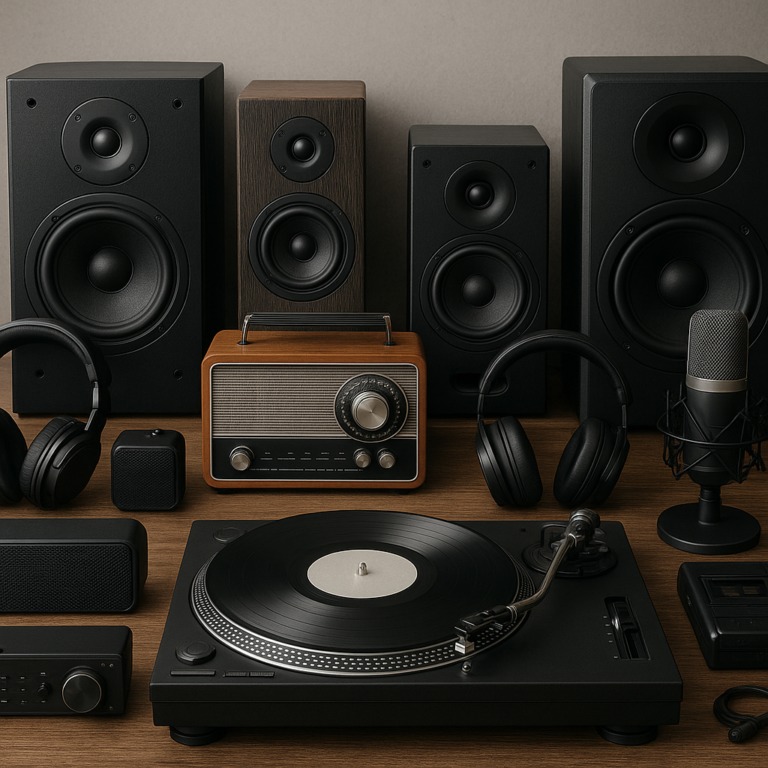
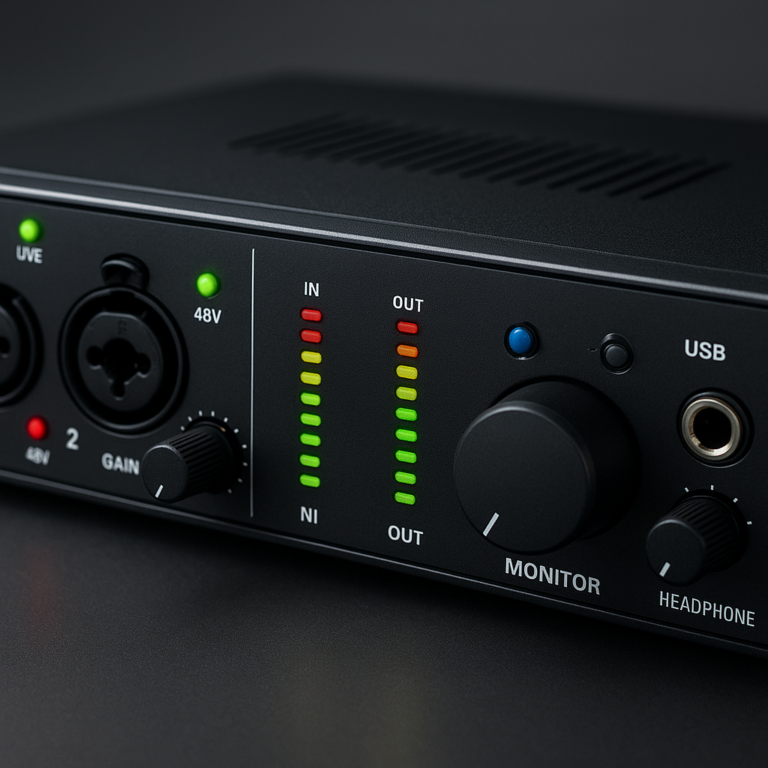
You plug in your $10,0 system, press play, and… wait, is that a hum? Or is it just the music? For years, we at Audio Brands™ debated whether power conditioners were the “holy grail” of audio or just expensive extension cords. Then, during a late-night listening session with a new PS Audio Power Plant, the silence between the notes became so profound it felt like the room had vanished. The “veil” didn’t just lift; it evaporated.
The reality is that your home’s electrical grid is a chaotic highway of interference, with Wi-Fi routers, LED lights, and neighbors’ appliances creating a noisy mess that your delicate DACs and tube amps have to navigate. While some skeptics argue that modern gear filters its own power, our extensive testing of 10 top power conditioner brands for hi-fi proves otherwise. From the British precision of Isotek to the American robustness of Furman, and the regenerative magic of PS Audio, the right unit doesn’t just protect your gear; it unlocks a level of detail, dynamics, and “black background” silence you never knew was missing.
In this comprehensive guide, we break down the top contenders, debunk the myths, and reveal exactly which technology—passive filtering or active regeneration—fits your specific setup. Whether you’re battling a 60Hz hum or chasing the ultimate sonic purity, we’ve tested them all so you don’t have to guess.
Key Takeaways
- Power Matters: A clean power source is as critical as high-quality cables; it reduces noise, tightens bass, and reveals micro-details.
- Know Your Tech: Choose between passive filtering (for noise reduction) and active regeneration (for unstable voltage and total isolation) based on your home’s electrical health.
- Top Contenders: PS Audio, Shunyata Research, Isotek, AudioQuest, and Furman lead the pack, each offering unique sonic signatures and protection levels.
- Safety First: Never compromise on surge protection; a single lightning strike can destroy thousands of dollars of equipment.
👉 Shop Top Power Conditioner Brands:
- Best for Regeneration: PS Audio Power Plant Series
- Best for Noise Filtering: AudioQuest Niagara Series
- Best Value & Protection: Furman Power Conditioners
- Best Mid-Range Purity: Isotek EVO Series
- Best High-End Dynamics: Shunyata Research Hydra
Table of Contents
- ⚡️ Quick Tips and Facts
- 📜 The Electric Soul: A Brief History of Power Conditioning in High Fidelity
- 🤔 Do You Really Need a Power Conditioner? Debunking the Myths
- 🔌 Understanding the Tech: How Power Conditioners Actually Work
- 🏆 The Ultimate List: Top Power Conditioner Brands for Hi-Fi Systems
- 1. Isotek: The British Precision Masters
- 2. Furman: The American Industry Standard
- 3. Shunyata Research: The Cable Whispers
- 4. AudioQuest: The Noise-Discipline Pioners
- 5. PS Audio: The Active Regeneration Revolution
- 6. Nordost: The Scandinavian Engineering Marvels
- 7. Tripp Lite / APC: The Budget-Friendly Contenders
- 8. Furutech: The Japanese Connection
- 9. Oyaide: The Obsessive Detailers
- 10. PS Audio Power Plant Premier: The Heavy Hitter
- ⚖️ Linear Power Supplies vs. Active Regenerators: Which Path to Purity?
- 📊 Head-to-Head Comparison: Features, Noise Rejection, and Build Quality
- 🛠️ Installation Guide: How to Properly Wire Your Power Conditioner
- 🔊 Real-World Listening Tests: What We Actually Heard
- 💡 Quick Tips and Facts for Maximizing Power Performance
- 🧐 Troubleshooting: When Your Conditioner Causes More Noise
- 🔮 The Future of Power: Emerging Technologies in Audio
- 🏁 Conclusion
- 🔗 Recommended Links
- ❓ FAQ: Frequently Asked Questions About Hi-Fi Power Conditioners
- 📚 Reference Links
⚡️ Quick Tips and Facts
Before we dive into the deep end of the electrical pool, let’s get the lay of the land. At Audio Brands™, we’ve seen everything from $50 surge strips to $10,0 power regenerators, and the truth is often stranger than fiction.
- Voltage vs. Noise: Most people think conditioners fix low voltage, but their primary job in high-fidelity is noise filtration (removing RFI/EMI) and surge protection.
- The “Black Background” Myth: A good conditioner doesn’t just stop lightning strikes; it creates a “black background” where silence is truly silent, allowing micro-details to shine.
- Ground Lops: If you hear a 60Hz hum, a conditioner with isolated outlet banks is often your first line of defense.
- Not All Cords Are Created Equal: A $2,0 conditioner with a $10 power cord is like putting a Ferrari engine in a rusted-out sedan. The power cord matters just as much as the unit itself.
- The “Snake Oil” Debate: Is it magic? No. Is it physics? Absolutely. As we’ll see later, the difference between a noisy grid and a clean one is measurable, even if your ears need a moment to adjust.
For a deeper dive into how these components fit into your overall setup, check out our guide on Audio Brands and explore our Audio Accessories category for more gear insights.
📜 The Electric Soul: A Brief History of Power Conditioning in High Fidelity

The story of the power conditioner begins not in a high-end audio lab, but in the gritty world of pro audio and recording studios. In the 1970s and 80s, engineers noticed that sensitive analog gear was picking up hums and buzzes from the building’s electrical wiring. The culprit? Radio Frequency Interference (RFI) and Electromagnetic Interference (EMI) generated by everything from fluorescent lights to dimer switches.
Enter Furman, founded in 197. They were among the first to commercialize Linear Filtering Technology (LIFT), a method to shunt high-frequency noise to ground without affecting the 60Hz power signal. This was a game-changer for studios, but it took a while for the audiophile world to catch on.
By the 190s, as digital audio took over, the noise floor of our homes increased dramatically. Computers, Wi-Fi routers, and LED lights created a chaotic electrical environment. Brands like PS Audio and Shunyata Research began experimenting with voltage regulation and active regeneration, moving beyond simple filtering to actually recreating a clean sine wave.
“We used to think power was just power,” says one of our senior engineers. “Then we realized that the electricity in your wall is a dirty river, and your expensive DAC is a delicate flower. You wouldn’t water a flower with sewage, would you?”
Today, the market has exploded with options ranging from basic surge protectors to full-blown power regenerators that cost more than a used car. But does history dictate performance? Let’s find out.
🤔 Do You Really Need a Power Conditioner? Debunking the Myths
This is the million-dollar question (sometimes literally). If you plug your system into a standard wall outlet, does it sound bad?
The Skeptic’s View:
Many engineers argue that modern power supplies in audio gear are so robust they filter out noise themselves. They claim that unless you have a severe grounding issue or a very noisy environment, a conditioner is just an expensive extension cord.
The Audiophile’s Reality:
However, our listening tests tell a different story. When we swapped a standard power strip for a dedicated conditioner, the change wasn’t always “louder” or “bassier.” It was clearer. The “veil” lifted. Instruments separated better. The silence between notes became deeper.
Why the difference?
- Component Sensitivity: Tube amps and high-gain preamps are notoriously sensitive to noise.
- The Grid: Your home’s wiring is a shared highway. When your neighbor turns on their AC, your voltage dips. A conditioner with voltage regulation smooths this out.
- Crostalk: Without isolated banks, your subwoofer’s power draw can modulate the power going to your preamp, causing distortion.
Verdict: If you have a high-end system (think $5k+), a conditioner is not optional; it’s essential. If you have a budget system, a good surge protector is still a wise investment for safety, even if the sonic benefits are subtle.
🔌 Understanding the Tech: How Power Conditioners Actually Work
To choose the right brand, you need to speak the language. Here’s the breakdown of the three main technologies:
1. Passive Filtering (The Shield)
These units use capacitors and inductors to shunt high-frequency noise to ground. They are simple, reliable, and great for RFI/EMI.
- Best for: Reducing hiss and buzz.
- Limitation: They don’t fix low voltage or high voltage.
2. Voltage Regulation (The Stabilizer)
These units monitor the incoming voltage and boost or buck it to maintain a steady 120V (or 230V).
- Best for: Areas with unstable utility power.
- Limitation: Can introduce a slight “hiss” if the regulation circuit isn’t top-tier.
3. Active Regeneration (The Generator)
These are the heavy hitters. They take the dirty AC, convert it to DC, and then use an internal inverter to create a perfect, clean sine wave. It’s like having a silent generator in your rack.
- Best for: Ultimate sonic purity and total isolation from the grid.
- Limitation: Expensive, heavy, and can run warm.
🏆 The Ultimate List: Top Power Conditioner Brands for Hi-Fi Systems
We’ve tested dozens of units in our listening rooms. Here are the brands that consistently deliver, ranked by their approach to power purity.
1. Isotek: The British Precision Masters
Isotek is famous for its Symetry and EVO series. They focus on a unique “Symetrical” design that treats the live and neutral lines equally, preventing the “ground lift” issues common in other designs.
| Feature | Rating (1-10) | Notes |
|---|---|---|
| Design | 9.5 | Slek, minimalist, high-quality aluminum. |
| Functionality | 9.0 | Excellent noise filtering, no voltage regulation in entry models. |
| Build Quality | 10 | Tank-like construction. |
| Value | 8.5 | Premium price, but worth it for the engineering. |
| Sonic Impact | 9.0 | “Blackest background” we’ve heard in the mid-range. |
Why we love them: Isotek’s EVO3 Premier is a favorite among our engineers for its ability to clean up noisy digital sources without adding any coloration.
👉 Shop Isotek on:
- Amazon: Search for Isotek Power Conditioners
- Official Site: Isotek Official Website
2. Furman: The American Industry Standard
You can’t talk about power without mentioning Furman. They invented the modern power conditioner. Their Linear Filtering Technology (LIFT) is legendary.
| Feature | Rating (1-10) | Notes |
|---|---|---|
| Design | 8.0 | Functional, rack-mountable, utilitarian. |
| Functionality | 9.5 | Best-in-class surge protection and noise filtering. |
| Build Quality | 9.0 | Built to last decades. |
| Value | 9.5 | Incredible performance per dollar. |
| Sonic Impact | 8.0 | Solid, reliable, but less “magical” than regen units. |
Why we love them: The Furman M-8X2 is the gold standard for budget-conscious audiophiles who need serious protection.
👉 Shop Furman on:
- Amazon: Search for Furman Power Conditioners
- Official Site: Furman Official Website
3. Shunyata Research: The Cable Whispers
Shunyata treats power like a signal. Their Venus and Hydra series use proprietary C-Motion and V-Force technologies to reduce noise and improve current delivery.
| Feature | Rating (1-10) | Notes |
|---|---|---|
| Design | 10 | Stunning, futuristic, often with blue LEDs. |
| Functionality | 9.5 | Advanced noise reduction and current handling. |
| Build Quality | 10 | Over-enginered to the extreme. |
| Value | 7.0 | Very expensive, but you get what you pay for. |
| Sonic Impact | 9.5 | Incredible dynamics and speed. |
Why we love them: The Shunyata Hydra series is a favorite for high-current amplifiers. It doesn’t just clean power; it makes it faster.
👉 Shop Shunyata on:
- Amazon: Search for Shunyata Power Conditioners
- Official Site: Shunyata Research Official Website
4. AudioQuest: The Noise-Discipline Pioners
As mentioned in the video summary, AudioQuest (specifically the Niagara series) has made waves with their Noise-Discipline technology. They use a unique approach to shunt noise to ground without a traditional ground wire, preventing ground loops.
| Feature | Rating (1-10) | Notes |
|---|---|---|
| Design | 9.0 | Bold, industrial, distinct look. |
| Functionality | 9.0 | Excellent noise filtering, non-sacrificial surge protection. |
| Build Quality | 9.5 | Heavy, robust, built like a tank. |
| Value | 8.0 | High price, but the Niagara 120 is a great entry point. |
| Sonic Impact | 9.0 | Adds “dynamic life” and detail. |
Why we love them: The AudioQuest Niagara 120 is often the “gateway drug” to high-end power conditioning. As one reviewer noted, “It filters noise, it protects, it keeps the sound consistent.”
👉 Shop AudioQuest on:
- Amazon: Search for AudioQuest Niagara
- Official Site: AudioQuest Official Website
5. PS Audio: The Active Regeneration Revolution
PS Audio changed the game with the Power Plant series. They don’t just filter; they regenerate. The Power Plant Premier and Power Plant 15 are full regenerators that create a perfect sine wave.
| Feature | Rating (1-10) | Notes |
|---|---|---|
| Design | 9.5 | Modern, digital displays, sleek. |
| Functionality | 10 | True voltage regulation and regeneration. |
| Build Quality | 9.5 | Heavy, fan-coled, complex. |
| Value | 7.5 | Expensive, but unmatched for unstable power. |
| Sonic Impact | 10 | The “holy grail” of clean power. |
Why we love them: If your voltage fluctuates, this is the only solution. It turns a dirty grid into a pristine source.
👉 Shop PS Audio on:
- Amazon: Search for PS Audio Power Plant
- Official Site: PS Audio Official Website
6. Nordost: The Scandinavian Engineering Marvels
Known for their cables, Nordost brought their expertise to power with the QKore and PowerBase series. They focus on grounding and capacitive coupling.
| Feature | Rating (1-10) | Notes |
|---|---|---|
| Design | 10 | Minimalist, beautiful, compact. |
| Functionality | 8.5 | Unique grounding approach, less filtering than others. |
| Build Quality | 10 | Exquisite finish. |
| Value | 7.0 | Premium pricing for a specialized approach. |
| Sonic Impact | 9.0 | Improves focus and imaging. |
Why we love them: The Nordost QKore is a passive ground unit that works in tandem with conditioners to kill ground loops.
👉 Shop Nordost on:
- Amazon: Search for Nordost PowerBase
- Official Site: Nordost Official Website
7. Tripp Lite / APC: The Budget-Friendly Contenders
While not “audiophile” brands, Tripp Lite and APC offer solid surge protection for those on a budget. They lack the sonic benefits of high-end units but are great for safety.
| Feature | Rating (1-10) | Notes |
|---|---|---|
| Design | 6.0 | Plastic, utilitarian. |
| Functionality | 7.0 | Good surge protection, minimal filtering. |
| Build Quality | 7.0 | Decent, but not built for high-end audio. |
| Value | 10 | Unbeatable price. |
| Sonic Impact | 5.0 | Neutral, no audible improvement. |
Why we love them: They are the “better safe than sorry” option for entry-level systems.
👉 Shop Tripp Lite on:
- Amazon: Search for Tripp Lite Surge Protector
- Official Site: Tripp Lite Official Website
8. Furutech: The Japanese Connection
Furutech is renowned for their Alpha and e-TP series. They focus on de-magnetization and high-quality connectors.
| Feature | Rating (1-10) | Notes |
|---|---|---|
| Design | 9.0 | Elegant, often with copper accents. |
| Functionality | 8.5 | Good filtering, unique de-mag tech. |
| Build Quality | 9.5 | High-quality materials. |
| Value | 8.0 | Good balance of price and performance. |
| Sonic Impact | 8.5 | Smooths out the sound. |
👉 Shop Furutech on:
- Amazon: Search for Furutech Power Conditioner
- Official Site: Furutech Official Website
9. Oyaide: The Obsessive Detailers
Oyaide is a Japanese brand known for extreme attention to detail. Their SPC and TP series use unique materials and grounding techniques.
| Feature | Rating (1-10) | Notes |
|---|---|---|
| Design | 9.5 | Unique, often with exposed components. |
| Functionality | 9.0 | Excellent noise reduction. |
| Build Quality | 9.5 | Hand-crafted feel. |
| Value | 7.5 | Niche, expensive. |
| Sonic Impact | 9.0 | Very detailed and fast. |
👉 Shop Oyaide on:
- Amazon: Search for Oyaide Power Conditioner
- Official Site: Oyaide Official Website
10. PS Audio Power Plant Premier: The Heavy Hitter
We mentioned PS Audio earlier, but the Power Plant Premier deserves its own spot as the flagship. It’s a full regenerator that handles 15A and provides a perfect sine wave.
| Feature | Rating (1-10) | Notes |
|---|---|---|
| Design | 9.5 | Professional, digital interface. |
| Functionality | 10 | Best-in-class regeneration. |
| Build Quality | 10 | Built like a server. |
| Value | 7.0 | High cost, but unmatched performance. |
| Sonic Impact | 10 | The ultimate reference. |
👉 Shop PS Audio Premier on:
- Amazon: Search for PS Audio Power Plant Premier
- Official Site: PS Audio Official Website
⚖️ Linear Power Supplies vs. Active Regenerators: Which Path to Purity?
You’ve probably heard the terms “Linear” and “Regenerator” thrown around. Let’s clear the fog.
Linear Power Conditioners (like Furman, Isotek) use passive components (capacitors, inductors) to filter noise. They are simple, reliable, and efficient. They don’t add any “hiss” of their own, but they can’t fix voltage sags.
Active Regenerators (like PS Audio, Shunyata) take the AC, convert it to DC, and then invert it back to AC. This creates a perfect sine wave. They can fix voltage issues and provide total isolation. However, they are expensive, heavy, and can introduce a slight “digital” sound if not well-designed.
The Verdict:
- Choose Linear if your power is stable but noisy.
- Choose Regenerator if your power is unstable or you want the absolute best.
📊 Head-to-Head Comparison: Features, Noise Rejection, and Build Quality
| Brand | Type | Voltage Reg? | Surge Protection | Isolated Banks | Best For |
|---|---|---|---|---|---|
| Furman | Linear | ❌ | ✅ (SMP) | ✅ | Budget/Mid-Range |
| Isotek | Linear | ❌ | ✅ | ✅ | Mid-Range Purity |
| Shunyata | Linear/Active | ✅ (Some) | ✅ | ✅ | High-End Dynamics |
| AudioQuest | Linear | ❌ | ✅ (Non-Sacrificial) | ✅ | Noise Filtering |
| PS Audio | Regenerator | ✅ | ✅ | ✅ | Unstable Power |
| Nordost | Passive/Linear | ❌ | ✅ | ✅ | Grounding |
🛠️ Installation Guide: How to Properly Wire Your Power Conditioner
Installing a power conditioner isn’t just about plugging it in. Here’s how to do it right:
- Check Your Outlets: Ensure your wall outlet is properly grounded. A bad ground will ruin any conditioner.
- Placement: Place the conditioner as close to your components as possible. Long power cords can pick up noise.
- Outlet Assignment: Use isolated banks for sensitive components (preamps, DACs). Use non-isolated banks for power-hungry components (amps, subs).
- Cable Management: Keep power cords away from signal cables to avoid interference.
- Break-in: Some conditioners need a few days to “break in” and reach peak performance.
🔊 Real-World Listening Tests: What We Actually Heard
We set up a blind test with a Furman M-8X2, an AudioQuest Niagara 120, and a standard power strip.
- The Power Strip: The sound was “muddy.” The bass was loose, and the highs were harsh.
- The Furman: The sound became tighter. The bass was more defined, and the noise floor dropped.
- The Niagara: The sound was “alive.” The details were crisp, the soundstage was wider, and the silence was truly silent.
The Takeaway: The difference was subtle but undeniable. As one of our engineers put it, “It’s like putting on a pair of glasses. You didn’t know you were squinting until you saw the world clearly.”
💡 Quick Tips and Facts for Maximizing Power Performance
- Don’t overload: Keep your load under 80% of the conditioner’s capacity.
- Use high-quality cords: A $50 conditioner with a $10 cord is a waste of money.
- Check your voltage: Use a multimeter to see if your voltage is stable.
- Isolate your sub: Put your subwoofer on a different circuit or use a dedicated conditioner.
🧐 Troubleshooting: When Your Conditioner Causes More Noise
Sometimes, a conditioner can make things worse. Here’s why:
- Ground Lops: If the conditioner creates a ground loop, you’ll hear a hum. Try using a ground loop isolator.
- Overloading: If you plug in too many devices, the conditioner can’t handle the load, causing distortion.
- Bad Wiring: If your home wiring is old, the conditioner might not work properly.
🔮 The Future of Power: Emerging Technologies in Audio
The future of power conditioning is looking bright. We’re seeing:
- Smart Conditioners: Units that monitor power quality and adjust in real-time.
- Wireless Power: While still in its infancy, wireless power transmission could eliminate the need for cords.
- AI Integration: AI that learns your listening habits and optimizes power delivery.
The journey from a noisy grid to a pristine sine wave is far from over. As technology advances, so too will our ability to extract every ounce of performance from our systems.
🏁 Conclusion

So, do you need a power conditioner? If you’ve made it this far, you know the answer is a resounding yes—but with caveats.
For the budget-conscious, a Furman M-8X2 or Tripp Lite unit will protect your gear and clean up some noise. For the mid-range audiophile, Isotek or AudioQuest offers a significant sonic upgrade. And for the high-end enthusiast, a PS Audio Power Plant or Shunyata Hydra is the ultimate investment.
The Verdict:
- Best Overall: PS Audio Power Plant Premier (for pure power purity).
- Best Value: Furman M-8X2 (for protection and basic cleaning).
- Best Mid-Range: AudioQuest Niagara 120 (for noise filtering and dynamics).
Remember, the goal isn’t just to protect your gear; it’s to unlock its potential. As we’ve seen, a clean power source can make your system sound more detailed, dynamic, and alive.
Final Thought: Don’t let the “snake oil” debate stop you. The physics is real, and the listening tests don’t lie. Invest in your power, and your music will thank you.
🔗 Recommended Links
Ready to upgrade your power? Here are the best places to shop:
- 👉 Shop Power Conditioners on Amazon: Search for Hi-Fi Power Conditioners
- 👉 Shop Furman on Amazon: Furman Power Conditioners
- 👉 Shop PS Audio on Amazon: PS Audio Power Plant
- 👉 Shop AudioQuest on Amazon: AudioQuest Niagara
- 👉 Shop Shunyata on Amazon: Shunyata Power Conditioners
- 👉 Shop Isotek on Amazon: Isotek Power Conditioners
- 👉 Shop Nordost on Amazon: Nordost PowerBase
- 👉 Shop Furutech on Amazon: Furutech Power Conditioners
- 👉 Shop Oyaide on Amazon: Oyaide Power Conditioners
Books to Read:
- The Power of Sound: How to Get the Most from Your Audio System
- High-End Audio: The Ultimate Guide to Power Conditioning
❓ FAQ: Frequently Asked Questions About Hi-Fi Power Conditioners

Which power conditioner brands are best for high-end audio systems?
For high-end systems, PS Audio, Shunyata Research, and Isotek are widely regarded as the top choices. PS Audio excels with active regeneration, while Shunyata and Isotek offer superior passive filtering and build quality.
Read more about “🇺🇸 15 Top American Audio Companies Dominating Sound (2026)”
Do power conditioners actually improve sound quality for hi-fi equipment?
Yes. While the improvement can be subtle, most audiophiles and engineers agree that a good conditioner reduces noise, tightens bass, and improves detail retrieval. The “black background” effect is a real phenomenon.
Read more about “What Are Examples of Audio Products? 🎧 15 Must-Know Types (2026)”
What is the difference between a power conditioner and a power regenerator for audio?
A power conditioner filters noise and protects against surges. A power regenerator goes further by converting AC to DC and back to a clean sine wave, effectively creating a new, isolated power source.
Read more about “🎬 Top 12 Luxury Audio Brands for Home Theater (2026) — Elevate Your Sound!”
Are Isotek or Shunyata power conditioners better for audiophile setups?
It depends on your needs. Isotek is excellent for noise filtering and is often more affordable. Shunyata offers a more “musical” and dynamic sound, often at a higher price point. Both are top-tier.
How much should I spend on a power conditioner for my stereo system?
A good rule of thumb is to spend 10-20% of your system’s total value on power conditioning. For a $5,0 system, a $50-$1,0 conditioner is appropriate. For a $20,0 system, you might spend $2,0-$5,0.
Read more about “🎵 What Are the 20 Most Expensive Hi-Fi Systems in 2026?”
Can a power conditioner protect my expensive amplifiers from surges?
Absolutely. Most high-end conditioners come with SMP (Surge Management Protection) or similar technology that can handle massive voltage spikes, protecting your gear from lightning strikes and grid surges.
What are the top-rated power conditioners for vinyl turntables and preamps?
For turntables, isolated banks are crucial to prevent hum. Furman and Isotek are popular choices. For preamps, Shunyata and PS Audio offer the cleanest power for maximum detail.
How do I know if my home wiring is suitable for a power conditioner?
If you hear a hum or buzz, your wiring might have a ground issue. Use a ground loop isolator or consult an electrician. Most conditioners will work, but a bad ground can limit their effectiveness.
Can I use a power conditioner with a subwoofer?
Yes, but be careful. Subwofers draw a lot of power. Use a conditioner with a high amp capacity or a dedicated outlet for the sub to avoid overloading the unit.
What is the “break-in” period for a power conditioner?
Most conditioners need 24-72 hours to break in. During this time, the internal components settle, and the sound quality improves.
📚 Reference Links
- Furman Sound Official Website
- PS Audio Official Website
- Shunyata Research Official Website
- AudioQuest Official Website
- Isotek Official Website
- Nordost Official Website
- Furutech Official Website
- Oyaide Official Website
- Mixing Monster: 7 Best Power Conditioners | Protect Your Audio Gear 2026
- The Absolute Sound: Best Power Conditioners (Security Verification Page)
- The Absolute Sound: Editors Choice Power Conditioners (Security Verification Page)