Support our educational content for free when you purchase through links on our site. Learn more
🎧 30 High-End Headphone Brands Worth Hearing (2026)

The best high-end headphone brands are Sennheiser, Focal, Audeze, HiFiMAN, Meze Audio, and Beyerdynamic, but the right choice depends on your ears, music, comfort needs, and amplifier. Buy for sound signature and fit first, prestige second.
We’ve tested enough premium headphones to learn one expensive lesson: a beautifully machined flagship can lose to a simpler model the moment your ears start aching. Comfort, pad design, tuning, and source matching usually matter more than exotic materials or an impressive presentation box.
High-end audio also has a curious plot twist. Research discussed by SoundStage Solo suggests that higher prices do not automatically predict better sound, while affordable planar models such as the HiFiMAN HE400se have challenged far costlier designs. The question is not simply “Which brand is most expensive?” but which brand best matches the way you listen?
From Sennheiser’s spacious reference tuning and Audeze’s planar bass authority to Focal’s dynamic punch and Meze’s plush comfort, the strongest brands offer very different versions of “premium.” We’ve compared their sound, design, durability, amplification needs, wireless features, and long-term ownership value so you can spend more time listening and less time staring at specification charts.
Key Takeaways
- Best overall high-end headphone brands: Sennheiser, Focal, Audeze, HiFiMAN, Meze Audio, and Beyerdynamic.
- Best for reference listening: Sennheiser, Austrian Audio, Audeze, and Dan Clark Audio.
- Best planar-magnetic specialists: Audeze and HiFiMAN.
- Best luxury design and comfort: Focal, Meze Audio, and ZMF Headphones.
- Best electrostatic experience: Stax.
- Best wireless and noise-cancelling option: Sony, with Focal Bathys as a premium alternative.
- Best studio-focused brands: Beyerdynamic, Audio-Technica, AKG, Austrian Audio, and Audeze.
- Open-back headphones usually provide a wider, more spacious presentation but leak sound.
- Closed-back headphones suit travel, offices, and recording, while premium wireless models add ANC and app-based EQ.
- A headphone amplifier is not always necessary. Check impedance, sensitivity, and your source before buying extra equipment.
- Comfort, replacement parts, and warranty support often matter more than decorative materials.
- High price does not guarantee better sound. Auditioning, volume-matched comparisons, and familiar music remain essential.
👉 Shop leading high-end headphone brands:
- Sennheiser HD 800 S: Amazon | Sennheiser Official
- Focal Utopia: Amazon | Focal Official
- Audeze LCD-X: Amazon | Audeze Official
- HiFiMAN Edition XS: Amazon | HiFiMAN Official
- Meze 109 Pro: Amazon | Meze Official
- Beyerdynamic DT 1990 Pro: Amazon | Beyerdynamic Official
Table of Contents
- ⚡ Quick Tips and Facts About High-End Headphone Brands
- 🎧 What Makes a Headphone Brand “High-End”?
- Audiophile Sound Quality and Tuning Philosophy
- Materials, Manufacturing, and Build Quality
- Flagship Headphones vs. Luxury Lifestyle Products
- 📜 The History of Premium Headphones and Audiophile Audio
- From Studio Monitoring to High-End Home Listening
- How Planar-Magnetic, Electrostatic, and Dynamic Drivers Evolved
- 🏆 30 Best High-End Headphone Brands for Audiophiles
- Sennheiser
- Focal
- Audeze
- HiFiMAN
- Beyerdynamic
- Meze Audio
- Dan Clark Audio
- ZMF Headphones
- Audio-Technica
- AKG
- Stax
- Grado
- Final Audio
- Sony
- Austrian Audio
- HEDD Audio
- Roson Audio Design
- Abyss Headphones
- Kennerton
- Raal 1995
- Warwick Acoustics
- Audeze LCD
- Noble Audio
- Campfire Audio
- 64 Audio
- Empire Ears
- FIR Audio
- Elysian Acoustic Labs
- Unique Melody
- Shure
- 🔍 High-End Headphone Brand Comparison by Listening Style
- Best Brands for Neutral and Reference Sound
- Best Brands for Warm, Musical, and Relaxed Listening
- Best Brands for Detail, Resolution, and Soundstage
- Best Brands for Bass-Heavy and Exciting Sound
- Best Brands for Classical, Jazz, Rock, and Electronic Music
- 🎼 Open-Back vs. Closed-Back High-End Headphone Brands
- Best Open-Back Audiophile Headphones
- Best Closed-Back Premium Headphones
- Semi-Open and Convertible Headphone Designs
- ⚙️ Driver Technologies Explained
- Dynamic Drivers
- Planar-Magnetic Drivers
- Electrostatic Headphones
- Air Motion Transformer and Ribbon Drivers
- Balanced Armature and Hybrid IEM Drivers
- 🔌 Do High-End Headphones Need a Headphone Amplifier?
- Impedance, Sensitivity, and Power Requirements
- Choosing a DAC and Headphone Amp
- Tube Amplifiers vs. Solid-State Amplifiers
- Balanced Headphone Connections
- 📱 Wired, Wireless, and Noise-Cancelling Premium Headphones
- When Wired Headphones Still Win
- Best Wireless Codecs for Audiophile Listening
- Active Noise Cancellation and Passive Isolation
- Bluetooth Headphones for Travel and Office Use
- 🛋️ Best High-End Headphone Brands for Home, Studio, and Travel
- Luxury Headphones for Critical Home Listening
- Professional Studio Monitoring Brands
- Premium Headphones for Gaming and Spatial Audio
- Portable Audiophile Headphones
- 💰 Are Expensive Audiophile Headphones Worth It?
- Sound Quality Versus Price
- Diminishing Returns in High-End Audio
- Flagship Headphones and the Used Market
- Warranty, Repairs, and Replacement Parts
- 🧠 How to Choose the Best High-End Headphone Brand
- Define Your Budget and Listening Priorities
- Match Headphones to Your Music Library
- Check Comfort, Clamp Force, and Weight
- Consider Your Source Equipment
- Read Measurements Without Losing Your Ears
- Auditioning Headphones and Using Return Policies
- 🧪 Headphone Measurements and Audiophile Specifications
- Frequency Response
- Distortion and Total Harmonic Distortion
- Imaging, Separation, and Soundstage
- Transient Response and Technical Performance
- Why Measurements and Listening Tests Both Matter
- 🧼 Care, Maintenance, and Long-Term Headphone Ownership
- Cleaning Earpads and Headbands
- Storing High-End Headphones Safely
- Replacing Pads, Cables, and Headphone Parts
- Burn-In: Evidence, Expectations, and Practical Advice
- 🚫 Common High-End Headphone Buying Mistakes
- Choosing by Brand Prestige Alone
- Ignoring Comfort and Listening Fatigue
- Overspending on Cables and Accessories
- Pairing Difficult Headphones with Weak Sources
- Confusing More Detail with Better Sound
- 🆚 High-End Headphones vs. High-End Earbuds and IEMs
- Over-Ear Headphones Compared with In-Ear Monitors
- Soundstage, Isolation, and Portability
- Which Format Offers Better Value?
- 🌍 Sustainability, Craftsmanship, and Ethical Audio Manufacturing
- Repairable Designs and Modular Components
- Handcrafted Headphones and Small-Batch Brands
- Materials, Packaging, and Product Longevity
- 🛒 Buying High-End Headphones Online and In Stores
- Authorized Dealers and Manufacturer Stores
- How to Spot Counterfeit Headphones
- Return Policies, Demonstration Units, and Open-Box Models
- 🔮 The Future of High-End Headphone Brands
- Wireless Hi-Resolution Audio
- Personalized Sound and Hearing-Based Calibration
- Spatial Audio and Immersive Listening
- 🏁 Conclusion
- 🔗 Recommended Links
- ❓ FAQ About High-End Headphone Brands
- Which high-end headphone brand is best overall?
- What is the most reliable audiophile headphone brand?
- Are flagship headphones worth the investment?
- What headphones do professional audio engineers use?
- Which high-end headphones are easiest to drive?
- What is the best high-end headphone brand for beginners?
- Are planar-magnetic headphones better than dynamic headphones?
- Do expensive headphones sound better than wireless headphones?
- 📚 Reference Links
Quick Tips and Facts About High-End Headphone Brands
If you are researching Audio Brands™, start here: high-end headphones are not automatically the best headphones for every listener. The winning combination is sound quality, comfort, source matching, durability, and a tuning you can enjoy for hours.
- ✅ Best all-round premium brands: Sennheiser, Focal, Audeze, HiFiMAN, Meze Audio, and Beyerdynamic.
- ✅ Best for reference listening: Sennheiser, Audeze, HiFiMAN, Dan Clark Audio, and Austrian Audio.
- ✅ Best for luxurious industrial design: Focal and Meze Audio.
- ✅ Best for electrostatic listening: Stax and the Sennheiser HE-1 system.
- ✅ Best value lesson: excellent sound is no longer exclusive to luxury brands. The HiFiMAN HE400se is a useful reminder that affordable planar-magnetic headphones can perform far above their class.
- ❌ Do not buy by logo alone. The SoundStage Solo discussion of high-end headphones argues that inexpensive models increasingly challenge expensive headphones in tuning, noise cancellation, and finish.
- ✅ Open-back headphones usually deliver a more spacious presentation, but they leak sound and provide little isolation.
- ✅ Closed-back headphones are better for offices, travel, and recording, though their enclosure can influence bass behavior and reflections.
- ✅ Planar-magnetic headphones often excel at bass control and low distortion, but many require a capable amplifier.
- ✅ A headphone amplifier is not automatically necessary. Check impedance and sensitivity first.
- ✅ Comfort is a technical specification in disguise. A superb headphone that hurts after 20 minutes is an expensive paperweight.
- ✅ Pad geometry can matter more than exotic wood or metal. Small changes in earpad thickness, seal, and angle can significantly alter perceived frequency response.
- ✅ Wireless convenience and wired fidelity are different priorities. Premium wireless models add DSP, microphones, batteries, and ANC, while wired flagships generally focus on uncompressed signal paths and replaceable components.
- ✅ A good EQ profile can outperform a prestige cable. Spend on fit, amplification, room-friendly software, or music first.
- ✅ The best audition is familiar music. Use three tracks you know intimately: one for vocals, one for bass texture, and one for spatial detail.
A quick high-end headphone buying checklist
Before ordering, ask:
- Do I need isolation?
- Will my phone, laptop, or DAC drive these headphones properly?
- Do I prefer neutral, warm, bright, bass-forward, or relaxed sound?
- Can I wear them for a full album?
- Are replacement pads and cables available?
- Is the brand’s warranty and repair support clear?
- Am I paying for audible engineering or merely luxurious furniture for my ears?
That last question sounds cheeky, but it matters. One influential SoundStage Solo analysis makes the provocative point that “Headphones aren’t speakers.” In other words, exotic enclosure materials may look magnificent, while pad design, driver behavior, seal, and digital processing often have a larger audible effect.
Explore our Headphones category for related buying guides and setup advice.
What Makes a Headphone Brand “High-End”?
“High-end” is not a regulated technical category. A manufacturer can place a headphone in a luxury collection because of its price, craftsmanship, limited production, or branding. We prefer a more useful definition:
A high-end headphone brand consistently pursues superior acoustic performance, physical execution, ownership support, and a distinctive listening philosophy.
That definition leaves room for both a handcrafted ZMF headphone and a digitally sophisticated Sony flagship. They solve different problems.
Audiophile sound quality and tuning philosophy
A premium headphone may prioritize:
- Neutrality: tonal balance close to a reference target.
- Musical warmth: fuller lower mids and smoother treble.
- Resolution: retrieval of low-level detail.
- Dynamics: convincing changes from quiet passages to loud peaks.
- Imaging: stable placement of instruments.
- Soundstage: perceived width, height, and depth.
- Bass texture: distinction between kick drums, bass guitars, synths, and room effects.
- Low distortion: cleaner reproduction at demanding listening levels.
- Personalization: EQ, hearing profiles, or spatial processing.
The Harman research library is valuable because it demonstrates that listener preference can be studied systematically, particularly through controlled listening tests and frequency-response research. However, a target curve is not a musical commandment. Human ears, music libraries, fit, age-related hearing changes, and personal taste all matter.
We have heard listeners reject a technically impressive headphone because it sounded too clinical, then happily return to a warmer model for every evening session. That is not bad taste. It is the difference between accuracy and enjoyment.
Materials, manufacturing, and build quality
High-end brands commonly distinguish themselves through:
| Build area | What premium execution looks like | Why it matters |
|---|---|---|
| Headband | Even pressure, durable padding, replaceable or robust suspension | Long-session comfort |
| Ear cups | Rigid, well-damped, precisely assembled housings | Structural stability and perceived quality |
| Earpads | Consistent foam density, quality leather or textile, replaceable design | Seal, comfort, bass response |
| Connectors | Secure, serviceable sockets | Cable reliability and upgrades |
| Cable | Low microphonics, sensible flexibility, proper termination | Practical daily use |
| Driver matching | Consistent left/right output | Stable center image |
| Finish | Uniform machining, stitching, coating, and tolerances | Durability and ownership satisfaction |
| Service | Replacement parts and repair pathways | Longer product life |
A beautiful headphone is not automatically acoustically superior. The SoundStage Solo feature argues that pad changes and small baffle or port adjustments can affect sound more substantially than decorative enclosure materials. We agree with the underlying engineering principle: the component closest to your ear often deserves more scrutiny than the component that photographs best.
Flagship headphones versus luxury lifestyle products
A flagship headphone typically offers:
- The manufacturer’s best driver technology.
- More advanced acoustic engineering.
- Better tolerances and finishing.
- Higher-quality accessories.
- Greater repair or support expectations.
A luxury lifestyle headphone may instead emphasize:
- Brand recognition.
- Fashion-oriented materials.
- Wireless convenience.
- Premium packaging.
- Industrial design.
- Active noise cancellation.
Both can be worthwhile. A Focal Utopia and a Sony WH-100XM5 are not competing for the same listening ritual. One belongs beside a dedicated amplifier; the other belongs in an airplane seat where an enthusiastic toddler is attempting percussion with a plastic cup.
The History of Premium Headphones and Audiophile Audio

The modern high-end headphone market grew from several overlapping traditions: telephone and broadcast headsets, professional studio monitoring, electrostatic research, hi-fi listening, and portable audio.
From studio monitoring to high-end home listening
Brands such as Beyerdynamic, Sennheiser, AKG, and Audio-Technica built reputations through professional monitoring and broadcast products. Their expertise centered on reliable transducers, repeatable manufacturing, and intelligible sound.
The audiophile market later pushed toward:
- Wider perceived soundstage.
- More luxurious construction.
- Specialized amplification.
- Exotic driver formats.
- Handcrafted limited editions.
- Distinctive tonal signatures.
The transition was not simply “studio good, audiophile better.” Studio engineers may prefer a controlled, revealing monitor, while home listeners may want a generous, emotionally flattering presentation.
How planar-magnetic, electrostatic, and dynamic drivers evolved
Dynamic drivers
Dynamic drivers use a voice coil attached to a diaphragm that moves within a magnetic field. They remain popular because they can deliver:
- Strong efficiency.
- Punchy dynamics.
- Broad compatibility.
- A wide range of tonal signatures.
- Relatively straightforward manufacturing.
The Sennheiser HD 600 family and Beyerdynamic DT series demonstrate how dynamic-driver designs can remain relevant for decades.
Planar-magnetic drivers
Planar-magnetic headphones use a thin diaphragm with conductive traces suspended in a magnetic field. Their appeal often includes:
- Excellent bass extension.
- Low distortion.
- Fast transient behavior.
- Large diaphragm area.
- Even drive across the diaphragm.
Audeze and HiFiMAN helped bring planar-magnetic headphones into wider audiophile awareness. Their disadvantages can include weight, lower sensitivity, and a greater appetite for amplifier current.
Electrostatic headphones
Electrostatic headphones use a lightweight charged diaphragm between stators. They can offer exceptional:
- Detail retrieval.
- Transparency.
- Speed.
- Low moving mass.
- Airy treble reproduction.
They require specialized energizers, and ownership is less plug-and-play. Stax remains the classic reference point, while the Sennheiser HE-1 represents an extreme integrated system.
Air Motion Transformer and ribbon drivers
HEDD Audio uses an Air Motion Transformer approach in products such as the HEDDphone. Ribbon-inspired approaches, including RAL 1995 designs, aim to combine fast response with distinctive openness. These products can be fascinating, but their amplification requirements and fit should be investigated carefully.
30 Best High-End Headphone Brands for Audiophiles
The following ratings are Audio Brands™ editorial scores on a 1–10 scale, not laboratory measurements. We score the brand’s high-end reputation across its strongest relevant products, not every model it has ever produced.
| Rank | Brand | Design | Sound quality | Comfort | Build | Innovation | Value discipline | Best known for |
|---|---|---|---|---|---|---|---|---|
| 1 | Sennheiser | 9 | 9.5 | 9 | 9 | 9 | 8.5 | Reference dynamics and electrostatic engineering |
| 2 | Focal | 9.5 | 9.5 | 8.5 | 9.5 | 9 | 8 | Luxury dynamic headphones |
| 3 | Audeze | 8.5 | 9.5 | 8 | 9 | 9.5 | 8 | Planar-magnetic detail and bass |
| 4 | HiFiMAN | 8 | 9.2 | 8 | 8 | 9.5 | 9 | Planar performance per dollar |
| 5 | Beyerdynamic | 8.5 | 9 | 9 | 9 | 8 | 9 | Studio heritage and replaceable parts |
| 6 | Meze Audio | 9.5 | 9 | 9.5 | 9.5 | 8.5 | 8 | Comfort and handcrafted design |
| 7 | Dan Clark Audio | 8.5 | 9.2 | 8.5 | 9 | 9.5 | 8 | Foldable high-end closed backs |
| 8 | ZMF Headphones | 9.5 | 9 | 9 | 9.5 | 8 | 8 | Handcrafted wooden headphones |
| 9 | Audio-Technica | 8 | 8.7 | 8.5 | 8.5 | 8.5 | 8.5 | Reference and wood-cup models |
| 10 | AKG | 8 | 8.8 | 8.5 | 8 | 8 | 8.5 | Spacious studio-oriented sound |
| 11 | Stax | 8.5 | 9.8 | 8 | 8.5 | 9.5 | 7.5 | Electrostatic headphones |
| 12 | Grado | 8.5 | 8.8 | 7.5 | 8 | 8.5 | 8 | Energetic open-back sound |
| 13 | Final Audio | 9 | 9 | 8.5 | 9 | 8.5 | 8 | Distinctive Japanese engineering |
| 14 | Sony | 9 | 8.8 | 9 | 9 | 9.5 | 8.5 | Wireless ANC and flagship innovation |
| 15 | Austrian Audio | 8.5 | 8.8 | 8.5 | 8.5 | 8.5 | 8.5 | Studio monitoring and dynamic drivers |
| 16 | HEDD Audio | 8 | 9 | 8 | 8.5 | 9.5 | 7.5 | AMT headphone technology |
| 17 | Roson Audio Design | 9 | 9 | 8 | 9 | 8 | 7.5 | Hand-built planar headphones |
| 18 | Abyss | 8.5 | 9.5 | 7.5 | 9 | 9 | 7 | Large-scale flagship planar sound |
| 19 | Kennerton | 9 | 8.8 | 8 | 9 | 8 | 8 | Wood craftsmanship and planar models |
| 20 | RAL 1995 | 8 | 9.5 | 7.5 | 8.5 | 9.5 | 7 | Ribbon-driver headphones |
| 21 | Warwick Acoustics | 8.5 | 9.5 | 8.5 | 9 | 9.5 | 7 | Electrostatic technology and DSP |
| 22 | Noble Audio | 9.5 | 9 | 8.5 | 9 | 8.5 | 7.5 | Custom in-ear monitors |
| 23 | Campfire Audio | 9 | 8.8 | 8 | 8.5 | 8.5 | 8 | Premium IEM tuning |
| 24 | 64 Audio | 8.5 | 9 | 8.5 | 8.5 | 9 | 8 | Professional and audiophile IEMs |
| 25 | Empire Ears | 9 | 9 | 8 | 8.5 | 9 | 7.5 | High-driver-count custom IEMs |
| 26 | FIR Audio | 8.5 | 9 | 8 | 8.5 | 9.5 | 7.5 | Innovative IEM architecture |
| 27 | Elysian Acoustic Labs | 8.5 | 9.2 | 8 | 8 | 8.5 | 7.5 | Enthusiast IEM tuning |
| 28 | Unique Melody | 8.5 | 9 | 8 | 8 | 9 | 7.5 | Exotic hybrid IEM configurations |
| 29 | Shure | 8 | 8.5 | 8.5 | 9 | 8 | 8.5 | Professional reliability and IEMs |
| 30 | Warwick Audio Technologies | 8.5 | 9.2 | 8 | 8.5 | 9 | 7 | Advanced electrostatic systems |
1. Sennheiser
Shop Sennheiser on Amazon | Sennheiser Official Website
Sennheiser remains one of the safest recommendations for serious listening because its catalogue spans approachable reference headphones, professional models, flagship dynamics, and electrostatic systems.
Strengths:
- Natural midrange reproduction.
- Strong vocal intelligibility.
- Excellent imaging on models such as the HD 800 S.
- Deep engineering heritage.
- Broad accessory and pad availability.
Standout models:
What makes Sennheiser special?
The HD 600 family is a masterclass in tonal honesty, while the HD 800 S aims for a huge, speaker-like spatial presentation. The HE-1 goes in another direction entirely, combining electrostatic transducers with a dedicated amplifier system.
The featured video describes the HE-1 as a “marvel of engineering” and recounts the dramatic emergence of its vacuum tubes from the marble chassis. The reviewer says, “I can’t describe how good it sounds,” an understandable reaction when a headphone system costs more than many cars. We would still urge perspective: the HE-1 demonstrates engineering possibility, not sensible value for most listeners.
2. Focal
Shop Focal on Amazon | Focal Official Website
Focal brings loudspeaker craftsmanship into premium headphones. Its high-end models combine bold industrial design, dynamic drivers, and strong macrodynamic impact.
Strengths:
- Punchy, physical dynamics.
- Excellent build quality.
- Expressive bass and lower-midrange energy.
- Distinctive French design.
- Strong flagship identity.
Potential drawbacks:
- Some models can sound forward or energetic.
- Clamp and weight vary by model.
- Luxury finishing contributes to ownership appeal but not always proportionally to sound quality.
Standout models include the Focal Clear Mg, Focal Utopia, and Focal Bathys.
3. Audeze
Shop Audeze on Amazon | Audeze Official Website
Audeze is a major force in planar-magnetic headphones. Its LCD range is known for:
- Powerful, controlled bass.
- Dense musical presentation.
- High resolution.
- Strong low-end authority.
- Studio and gaming applications.
The Audeze LCD-X is particularly popular among engineers and producers, while the LCD-5 targets flagship audiophile listening.
Drawbacks: many LCD models are heavy, and their sound can feel less airy than some competitors. We recommend a careful comfort test, especially if you wear glasses.
4. HiFiMAN
Shop HiFiMAN on Amazon | HiFiMAN Official Website
HiFiMAN changed the value conversation around planar-magnetic headphones. Its range includes accessible models and ambitious flagships such as:
The SoundStage Solo article praises the HE400se as a price-to-performance breakthrough, with one audio-industry listener saying, “I have headphones that are close to $200 that don’t sound anywhere near as good as these.”
That praise should not be read as a universal verdict. HiFiMAN models can vary in build perception, amplifier demands, and quality-control experiences. Still, the brand’s influence is undeniable.
5. Beyerdynamic
Shop Beyerdynamic on Amazon | Beyerdynamic Official Website
Beyerdynamic is a dependable choice for listeners who value:
- Replaceable pads and cables.
- Long-term serviceability.
- Comfortable headbands.
- Studio experience.
- Clear, detailed treble.
The Beyerdynamic DT 1990 Pro is a popular analytical monitor, while the T1 represents the company’s audiophile ambitions.
Watch the treble: some listeners find Beyerdynamic’s upper-frequency energy exciting; others find it fatiguing. Pad choice and amplification can alter the experience, but they cannot completely erase a tuning preference.
6. Meze Audio
Shop Meze Audio on Amazon | Meze Audio Official Website
Meze Audio is one of the strongest brands for combining comfort, luxury design, and musical tuning.
Standout models include:
The Empyrean and Elite are especially comfortable for large over-ear headphones. Their suspension headbands distribute pressure effectively, and the spacious earcups accommodate many ears.
The SoundStage Solo analysis identifies Focal and Meze as high-end brands whose headphones look particularly impressive. That observation is fair, but Meze’s appeal is not purely decorative. Its ergonomics are a genuine part of the product experience.
7. Dan Clark Audio
Shop Dan Clark Audio on Amazon | Dan Clark Audio Official Website
Dan Clark Audio specializes in technically ambitious headphones with clever mechanical designs. Models such as the STEALTH, EXPANSE, and E3 are known for:
- Foldable or space-efficient construction.
- Strong passive isolation on closed models.
- Planar-magnetic drivers.
- Carefully controlled cup acoustics.
- High technical resolution.
Dan Clark’s closed-back headphones are particularly interesting for people who want audiophile performance without broadcasting their entire album collection to the room.
8. ZMF Headphones
ZMF Headphones builds handcrafted models with wooden cups, distinctive tuning, and a loyal enthusiast community. Popular examples include:
Why people love ZMF:
- Organic, textured presentation.
- Excellent craftsmanship.
- Replaceable parts.
- Strong owner community.
- Multiple wood and finish options.
Why some people hesitate:
- Large, heavy housings.
- Warm tunings may not suit strict monitoring.
- Handmade variation can make each piece feel personal, but replacement parts may require more patience than mass-market products.
9. Audio-Technica
Shop Audio-Technica on Amazon | Audio-Technica Official Website
Audio-Technica has earned respect through studio headphones, reference models, and its luxurious wooden-cup series.
Notable products include:
The company tends to offer a more spacious and refined presentation than its mainstream branding might suggest. Fit is model-dependent, and some wing-style headbands divide opinion.
10. AKG
Shop AKG on Amazon | AKG Official Website
AKG’s professional heritage is especially strong in open-back studio designs. The AKG K702 and K712 Pro remain popular for wide imaging and analytical listening.
Best for: classical, acoustic music, mixing, and listeners who prefer spaciousness over bass weight.
Not ideal for: noisy surroundings or anyone seeking a warm, intimate presentation.
11. Stax
Shop Stax on Amazon | Stax Official Website
Stax is synonymous with electrostatic headphones. Its products require an energizer, so ownership involves more system planning than simply plugging into a phone.
Strengths:
- Exceptional transparency.
- Airy treble.
- Fast transient response.
- Lightweight diaphragms.
- Natural microdetail.
Limitations:
- Specialized amplification.
- Minimal isolation.
- Less physical bass impact than some planar alternatives.
- Higher system complexity.
Stax is for listeners who want to hear the acoustic envelope around notes, not merely the notes themselves.
12. Grado
Shop Grado on Amazon | Grado Official Website
Grado headphones have an unmistakable personality: open, energetic, immediate, and often vocal-friendly.
Popular options include:
They can make guitars leap forward and cymbals sparkle. They can also leak sound dramatically and may not suit listeners sensitive to treble energy or on-ear pressure.
13. Final Audio
Shop Final Audio on Amazon | Final Audio Official Website
Final Audio offers distinctive Japanese design and a broad range of headphones and in-ear monitors. Models such as the D800 demonstrate the company’s high-end ambitions.
Final products often appeal to listeners who want:
- Strong physical design.
- Refined detail.
- Controlled bass.
- Less predictable styling than conventional studio models.
14. Sony
Shop Sony on Amazon | Sony Official Website
Sony is a major force in wireless high-end headphones. The WH-100XM5 combines:
- Effective ANC.
- Strong travel comfort.
- Adaptive processing.
- Multipoint connectivity.
- App-based EQ.
- Voice-call features.
Sony’s wired flagships and professional monitoring products serve a different audience, but its wireless innovation deserves recognition. The SoundStage Solo article argues that affordable competitors increasingly pressure Sony and Bose, especially in ANC and fit/finish. That is a useful warning: premium brands must keep improving software, not merely polishing the outside.
15. Austrian Audio
Shop Austrian Audio on Amazon | Austrian Audio Official Website
Austrian Audio focuses on professional monitoring and distinctive dynamic-driver engineering. The Hi-X65 is a strong choice for listeners who want a revealing open-back studio sound.
16. HEDD Audio
HEDD Audio’s HEDDphone uses an Air Motion Transformer driver. It is a fascinating alternative to dynamic and planar designs, with an emphasis on fast, resolving reproduction.
Consider carefully:
- Large physical footprint.
- Amplifier requirements.
- Fit and headband comfort.
- Limited mainstream availability.
17. Roson Audio Design
Roson Audio Design builds premium planar-magnetic headphones with bold metal construction and American small-batch appeal. The Rad-0 is known for a powerful, dense presentation.
18. Abyss
Abyss headphones pursue large-scale planar sound, ambitious physical construction, and high-end system matching. Models such as the AB-126 Phi TC can sound enormous when positioned and driven properly.
Important: fit is not a minor detail. The earcup angle and headband geometry require experimentation, and some listeners find the design polarizing.
19. Kennerton
Kennerton blends wood craftsmanship with dynamic and planar headphones. Its products appeal to listeners who value a tactile, handcrafted feel and less mass-market styling.
20. RAL 1995
RAL 1995 is associated with ribbon-driver headphone designs that emphasize speed and transparency. Some systems use specialized interface hardware, so verify compatibility before buying.
21. Warwick Acoustics
Warwick Acoustics develops advanced electrostatic systems and digitally assisted headphone technology. Its approach supports the argument that future high-end headphones may combine:
- Sophisticated transducers.
- Dedicated amplification.
- Personalization.
- DSP.
- Computational acoustic correction.
22–30. High-end IEM and specialist brands
Several premium brands focus primarily on in-ear monitors rather than traditional over-ear headphones:
- Noble Audio: custom IEM artistry and elaborate shell designs.
- Campfire Audio: distinctive portable audiophile tuning.
- 64 Audio: professional IEM innovation and pressure-relief technology.
- Empire Ears: high-driver-count custom designs.
- FIR Audio: experimental IEM architecture.
- Elysian Acoustic Labs: enthusiast-focused tuning.
- Unique Melody: complex hybrid and bone-conduction approaches.
- Shure: dependable professional IEMs and monitoring products.
These brands belong in a broad high-end headphone guide because many audiophiles choose between flagship over-ear headphones and flagship IEMs. The correct choice depends on isolation, portability, ear fit, and your tolerance for wearing tiny acoustic laboratories inside your ears.
High-End Headphone Brand Comparison by Listening Style
| Listening priority | Strong candidates | Why |
|---|---|---|
| Neutral reference | Sennheiser HD 600, Austrian Audio, Audeze LCD-X | Clear midrange and useful detail |
| Huge soundstage | Sennheiser HD 800 S, AKG K702, HiFiMAN Arya | Spacious imaging |
| Warm musicality | ZMF, Meze, Audeze LCD series | Richer tone and relaxed presentation |
| Fast planar bass | HiFiMAN, Audeze, Dan Clark Audio | Controlled extension and texture |
| Energetic rock | Grado, Focal, Beyerdynamic | Immediate attack and lively treble |
| Classical music | Sennheiser, AKG, HiFiMAN | Layering, imaging, and openness |
| Electronic music | Audeze, Focal, Meze, HiFiMAN | Weight, extension, and dynamics |
| Studio work | Beyerdynamic, Audio-Technica, Austrian Audio, Audeze | Detail and durable construction |
| Travel | Sony, Focal Bathys, Bose | ANC and wireless convenience |
| Handmade luxury | ZMF, Meze, Focal, Kennerton | Craftsmanship and distinctive design |
Best brands for neutral and reference sound
Our strongest neutral-leaning recommendations are:
- Sennheiser for vocal and midrange naturalness.
- Austrian Audio for studio clarity.
- Audeze LCD-X for planar resolution and production work.
- Audio-Technica ATH-R70x for lightweight reference listening.
- Beyerdynamic for analytical detail, depending on your treble tolerance.
Neutral does not mean boring. A well-balanced headphone can reveal arrangement choices, microphone distance, reverb tails, and bass guitar pitch without shouting about every detail.
Best brands for warm, musical, and relaxed listening
Choose ZMF, Meze, Audeze LCD models, and selected Focal headphones if you prefer:
- Full-bodied vocals.
- Smooth treble.
- Textured bass.
- Longer listening sessions.
- A less clinical sound.
A warm headphone can make older recordings more enjoyable and reduce fatigue. The trade-off is that some listeners may perceive less air or immediacy.
Best brands for detail, resolution, and soundstage
For spacious, resolving sound, begin with:
- Sennheiser HD 800 S.
- HiFiMAN Arya or HE100.
- Stax electrostatic models.
- Dan Clark Audio open-back designs.
- AKG K702 for a more affordable studio perspective.
The biggest soundstage is not automatically the best soundstage. Some headphones create width by pushing vocals too far away. We prefer coherent imaging over a “stadium effect” that makes a singer sound like they are performing from another postcode.
Best brands for bass-heavy and exciting sound
Try:
- Audeze LCD series.
- Focal headphones.
- Meze Empyrean and Elite.
- ZMF models.
- Sony wireless models with app EQ.
Look for bass extension and texture, not merely quantity. A good bass response lets you distinguish a kick drum’s initial impact from the sustained low-frequency body.
Best brands for classical, jazz, rock, and electronic music
| Genre | Recommended traits | Brands to audition |
|---|---|---|
| Classical | Layer separation, natural timbre, open stage | Sennheiser, AKG, HiFiMAN |
| Jazz | Vocal texture, cymbal control, imaging | Sennheiser, Focal, Meze |
| Rock | Guitar bite, snare impact, dynamics | Grado, Focal, Beyerdynamic |
| Electronic | Sub-bass extension, speed, impact | Audeze, HiFiMAN, Meze |
| Acoustic | Midrange realism, decay, low coloration | Audio-Technica, Sennheiser, ZMF |
| Metal | Separation, treble control, speed | Audeze, Beyerdynamic, Austrian Audio |
Open-Back vs. Closed-Back High-End Headphone Brands
Best open-back audiophile headphones
Open-back headphones allow air to move through the earcup, usually reducing internal pressure and creating a more natural sense of space.
Advantages:
- Spacious presentation.
- Often more natural midrange.
- Reduced cup reflections.
- Better awareness of instrument placement.
- Cooler ears during long sessions.
Disadvantages:
- Sound leakage.
- Little environmental isolation.
- Poor choice for offices, airplanes, and sleeping partners who dislike your 2 a.m. jazz discoveries.
Top brands include Sennheiser, HiFiMAN, Audeze, Focal, Meze, Grado, Stax, ZMF, and Audio-Technica.
Best closed-back premium headphones
Closed-back models are more practical for:
- Shared spaces.
- Recording microphones.
- Travel.
- Office listening.
- Bass-focused music.
Strong candidates include:
- Dan Clark Audio E3 and STEALTH.
- Focal Azurys and Bathys.
- Audeze LCD-XC.
- Sony WH-100XM5.
- Beyerdynamic T5.
- Meze LIRIC.
- Focal Stellia.
A closed cup can create pressure buildup and reflections, but careful damping and pad geometry can produce excellent results.
Semi-open and convertible headphone designs
Semi-open headphones attempt to balance openness and isolation. Results vary widely, so do not assume the label tells you exactly how they will sound. Check:
- Leakage.
- Bass behavior.
- Cup ventilation.
- External noise rejection.
- Amplifier requirements.
Driver Technologies Explained
Dynamic drivers
Dynamic designs are the most common and often the easiest to drive. Their sound can range from the neutral Sennheiser HD 600 to the energetic Focal Utopia.
Benefits:
- Efficient operation.
- Strong dynamics.
- Broad design flexibility.
- Established reliability.
Drawbacks:
- Diaphragm breakup can influence treble.
- Bass distortion varies by design.
- Large diaphragms may require careful damping.
Planar-magnetic drivers
Planar headphones are often favored for:
- Bass control.
- Low distortion.
- Large-scale imaging.
- Smooth diaphragm movement.
They may require more current, and some models are heavy. The Audeze LCD-X is relatively easier to drive than many planar flagships, but always check the manufacturer’s specifications.
Electrostatic headphones
Electrostatic systems use a dedicated energizer rather than a conventional headphone amplifier. Their low-mass diaphragms can produce exceptional speed and transparency.
Choose electrostatic if:
- You value microdetail and openness.
- You are comfortable building a dedicated system.
- You listen in a quiet room.
- You do not need isolation or heavy bass impact.
Air Motion Transformer and ribbon drivers
AMT and ribbon designs can sound exceptionally fast, but they are less universal. Before buying, verify:
- Required amplifier or interface.
- Replacement parts.
- Earcup fit.
- Listening comfort.
- Availability through authorized dealers.
Balanced armature and hybrid IEM drivers
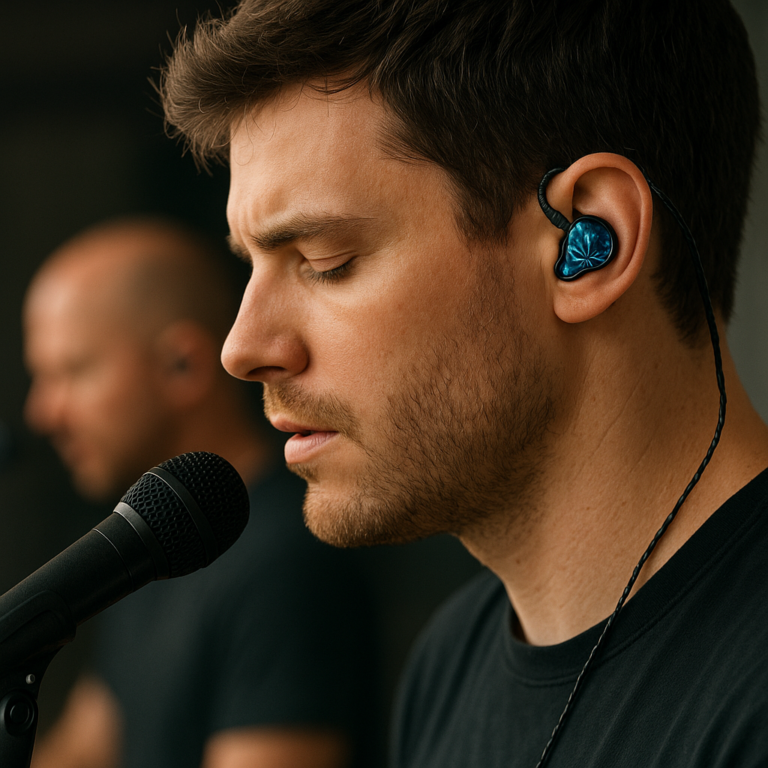
High-end IEM brands frequently combine:
- Dynamic drivers for bass.
- Balanced armatures for mids and treble.
- Electrostatic tweters for upper-frequency air.
- Bone-conduction or other specialty systems.
More drivers do not guarantee better sound. Crossover design, acoustic bore geometry, shell fit, and tuning matter more than a specification-sheet arms race.
Do High-End Headphones Need a Headphone Amplifier?
Sometimes. Not always. The answer depends on sensitivity, impedance, desired loudness, music peaks, and source quality.
Impedance, sensitivity, and power requirements
| Specification | Meaning | Practical implication |
|---|---|---|
| Impedance | Electrical resistance | High impedance may need more voltage |
| Sensitivity | Output level for a given input | Higher sensitivity is easier to drive |
| Power handling | Safe input capability | Not a direct indicator of sound quality |
| Current demand | Electrical load behavior | Important for some planar models |
| Connector | Physical termination | Determines compatibility, not fidelity |
Step-by-step amplifier check
- Find the headphone’s impedance and sensitivity on the official product page.
- Check your device’s output capability.
- Listen for insufficient volume, compressed dynamics, bass weakness, or audible distortion.
- Add an amplifier only if there is a real problem.
- Avoid assuming an expensive DAC will transform a headphone that simply does not suit your ears.
A sensitive headphone may work perfectly from a laptop. A low-sensitivity planar model may benefit from a robust desktop amplifier.
Choosing a DAC and headphone amp
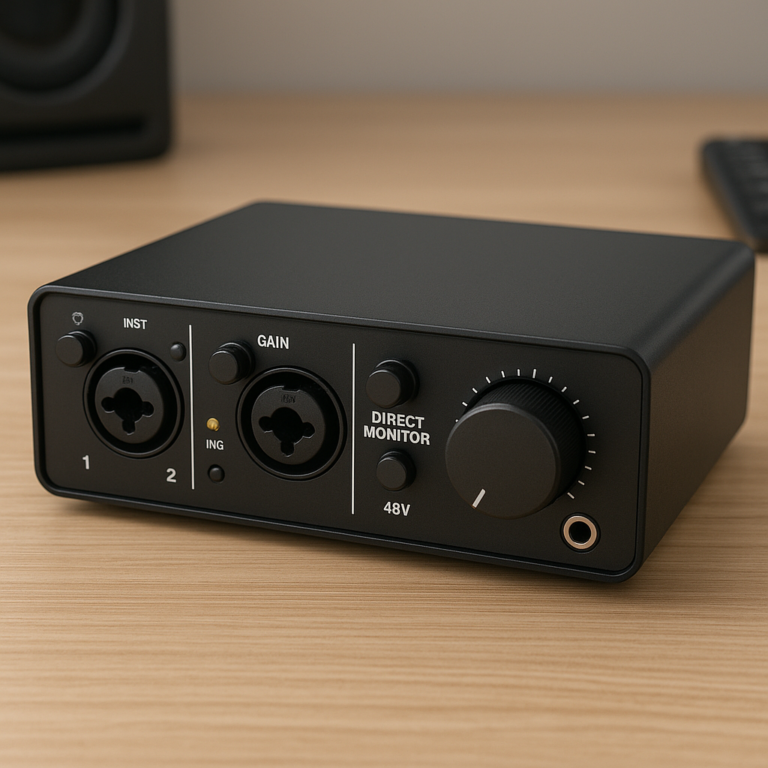
A DAC converts digital audio into analog signal. An amplifier supplies the voltage and current needed to drive the headphone.
Look for:
- Clean output.
- Low output impedance.
- Sufficient headroom.
- Useful gain settings.
- Balanced outputs only if your system benefits from them.
- Reliable warranty.
- Appropriate connectors.
A sensible chain might be:
Computer or streamer → DAC → headphone amplifier → headphones
But an all-in-one unit can be equally effective and easier to live with.
Browse Audio Accessories for cables, DACs, amplifiers, stands, and maintenance equipment.
Tube amplifiers versus solid-state amplifiers
| Amplifier type | Typical appeal | Potential drawback |
|---|---|---|
| Solid-state | Clean, controlled, low maintenance | May sound less harmonically colored |
| Tube | Harmonic richness, softer presentation | Heat, maintenance, output impedance concerns |
| Hybrid | Mix of tube flavor and solid-state drive | Results vary by design |
| Portable DAC/amp | Convenience and battery operation | Limited power compared with desktops |
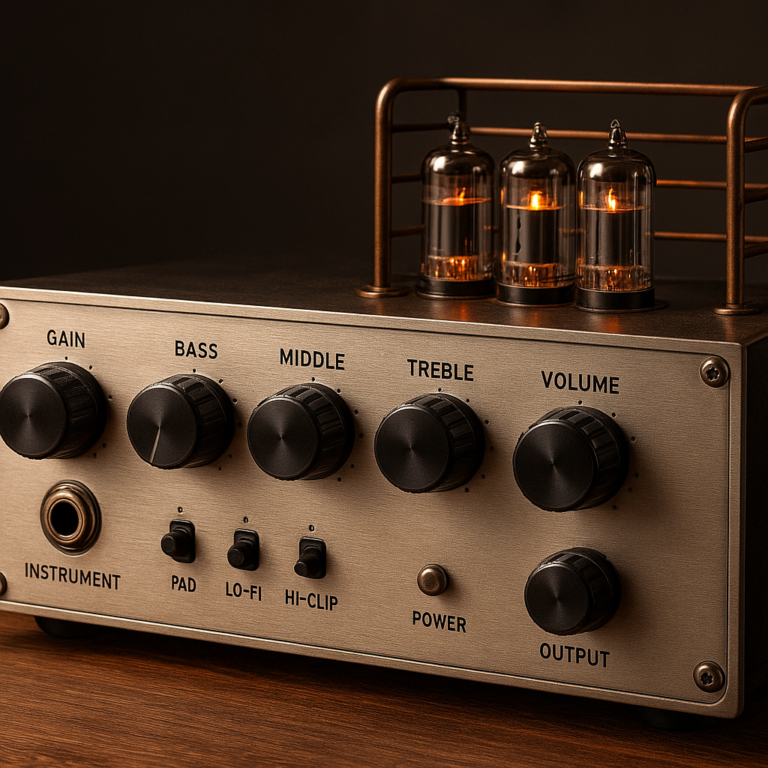
Tube amplifiers can be enjoyable with headphones that benefit from a smoother, fuller presentation. However, high output impedance may alter frequency response with certain dynamic headphones. Check measurements before pairing.
Balanced headphone connections
Balanced outputs can provide more power and channel separation in some amplifier designs. They do not automatically make a headphone sound better.
Avoid:
- Using a balanced cable with an amplifier that is not designed for it.
- Connecting grounds incorrectly.
- Buying a costly cable before solving fit, comfort, or amplification problems.
Wired, Wireless, and Noise-Cancelling Premium Headphones
When wired headphones still win
Wired headphones remain preferable for:
- Dedicated home listening.
- Studio monitoring.
- Critical mixing.
- Lowest latency.
- Long-term repairability.
- No battery degradation.
- Broad amplifier compatibility.
A wired headphone also avoids Bluetooth codec limitations and battery-related electronics aging.
Best wireless codecs for audiophile listening
Wireless performance depends on:
- Codec support.
- Source-device compatibility.
- Bluetooth implementation.
- DSP quality.
- Antenna stability.
- App functionality.
- Firmware support.
Common codecs include SBC, AAC, aptX Adaptive, LDAC, and LC3. Codec labels are useful, but they do not tell the full story. A well-tuned AAC headphone can sound better than a poorly tuned high-resolution codec implementation.
Active noise cancellation and passive isolation
ANC uses microphones and DSP to reduce environmental noise. It is especially effective against:
- Aircraft engine rumble.
- Train noise.
- Air conditioners.
- Office ventilation.
Passive isolation depends on the physical seal around your ears. ANC does not replace a good fit, and it can introduce pressure sensations or alter the sound when enabled.
The SoundStage Solo report highlights the Soundcore Life Q35 as an affordable model that approaches larger brands in ANC, design, and fit/finish. Its criticism of the app’s 22 EQ modes is also telling: more software options are not useful if most options sound poor.
Bluetooth headphones for travel and office use
Recommended wireless brands include:
- Sony.
- Bose.
- Focal.
- Apple.
- Sennheiser.
- Bowers & Wilkins.
- Soundcore.
Prioritize:
- Multipoint connection.
- Microphone quality.
- Battery replacement policy.
- ANC performance.
- Comfort with glasses.
- Wired fallback mode.
- App support.
Best High-End Headphone Brands for Home, Studio, and Travel
Luxury headphones for critical home listening
For a dedicated listening room, consider:
- Sennheiser HD 800 S.
- Focal Utopia.
- Audeze LCD-5.
- HiFiMAN HE100.
- Meze Elite.
- ZMF Caldera.
- Stax SR-X900.
- Dan Clark Audio EXPANSE.
Your room is quieter, your source can better, and open-back designs become practical. This is where the subtle differences in staging, tonal density, and amplifier matching become most apparent.
Professional studio monitoring brands
Studio listeners often value consistency over romance. Strong brands include:
- Beyerdynamic.
- Sennheiser.
- Audio-Technica.
- Austrian Audio.
- Audeze.
- AKG.
- Shure.
For production, a slightly less glamorous headphone may be more useful if it reveals balance problems consistently across sessions.
Premium headphones for gaming and spatial audio
High-end gaming does not require a gaming-branded headset. Consider:
- Audeze Maxwell.
- Audeze LCD-GX.
- Sennheiser HD 560S.
- Beyerdynamic DT 900 Pro X.
- Audio-Technica ATH-R70x.
- HiFiMAN Edition XS.
Add a quality microphone separately when possible. Headphone imaging and microphone clarity are separate jobs.
Portable audiophile headphones
For portable listening, prioritize:
- Sensitivity.
- Foldability.
- Cable options.
- Weight.
- Isolation.
- Phone compatibility.
- Battery life for wireless models.
Strong choices include Focal Bathys, Sony WH-100XM5, Meze LIRIC, Dan Clark Audio E3, and selected Campfire Audio or 64 Audio IEMs.
Are Expensive Audiophile Headphones Worth It?
Sound quality versus price
The honest answer is sometimes. Expensive headphones can deliver:
- Better resolution.
- Lower distortion.
- Greater build quality.
- More refined staging.
- More realistic dynamics.
- Better long-term serviceability.
But the improvement is not linear. The jump from a basic headphone to a well-designed midrange model can be dramatic. The jump from a strong midrange model to a luxury flagship may be subtle, preference-dependent, or noticeable only with familiar recordings.
Diminishing returns in high-end audio
The SoundStage Solo discussion cites Sean Olive’s research involving frequency-response measurements from 61 earphone models and blind-test associations with sound quality. The article reports a slight negative correlation between price and sound quality on average.
That does not prove expensive headphones are bad. It shows why price is a poor substitute for controlled listening. Luxury pricing can reflect:
- Low production volume.
- Labor-intensive assembly.
- Research and development.
- Dealer margins.
- Materials.
- Warranty costs.
- Brand positioning.
Only some of those factors directly improve what reaches your ears.
Flagship headphones and the used market
Used high-end headphones can offer excellent value, but inspect:
- Earpad compression.
- Driver imbalance.
- Cable damage.
- Headband wear.
- Serial numbers.
- Original accessories.
- Warranty transferability.
- Signs of moisture exposure.
For electrostatic systems and complex planar designs, service history matters more than cosmetic perfection.
Warranty, repairs, and replacement parts
Before buying, locate:
- Official warranty terms.
- Authorized service centers.
- Replacement pad listings.
- Replacement cable availability.
- Driver repair policies.
- International support information.
A headphone with replaceable pads and a supported connector can remain enjoyable for many years. That is real value, even when the frequency response is not dramatically better.
How to Choose the Best High-End Headphone Brand
Define your budget and listening priorities
Do not start with a brand list. Start with a use case:
- Quiet home listening.
- Studio production.
- Travel.
- Office work.
- Gaming.
- Portable listening.
- A single headphone for everything.
Then rank your priorities:
- Comfort.
- Isolation.
- Tonal preference.
- Amplifier compatibility.
- Music genres.
- Repairability.
- Design.
- Technical performance.
Match headphones to your music library
Use a small audition playlist:
- Vocals: a familiar acoustic or pop track.
- Bass: an electronic orchestral track with deep extension.
- Complexity: dense rock, metal, or large classical passages.
- Space: live jazz or chamber music.
- Treble: cymbals, strings, and female vocals.
Listen for:
- Vocal sibilance.
- Bass bloom.
- Congested choruses.
- Fatigue after 20 minutes.
- Center-image stability.
- Texture in quiet reverberation.
Check comfort, clamp force, and weight
Comfort depends on more than weight:
- Clamp force.
- Pad opening.
- Pad material.
- Headband pressure.
- Earcup angle.
- Glasses compatibility.
- Heat buildup.
- Cable position.
Our practical test is simple: wear the headphones for one full album without changing position. If you are constantly adjusting them, the honeymoon is already sending cancellation paperwork.
Consider your source equipment
A high-end headphone can expose weaknesses in:
- Laptop headphone outputs.
- Noisy USB connections.
- Poorly recorded material.
- Aggressive EQ.
- Weak amplifier output.
- Streaming normalization settings.
That does not mean you need an enormous stack. It means the system should be electrically and ergonomically sensible.
Read measurements without losing your ears
Measurements can reveal:
- Large tonal imbalances.
- Distortion.
- Channel mismatch.
- Bass roll-off.
- Treble peaks.
- Sensitivity and impedance behavior.
They cannot fully predict:
- Comfort.
- Seal with your ears.
- Emotional engagement.
- Spatial preference.
- How the headphone interacts with your glasses or hairstyle.
Use measurements to narrow the field, then listen.
Auditioning headphones and using return policies
A careful audition process:
- Let your ears adjust for a few minutes.
- Match volume between models.
- Use identical recordings.
- Avoid changing several variables at once.
- Listen quietly and moderately loudly.
- Take notes after 10, 30, and 60 minutes.
- Test vocals, bass, treble, and imaging.
- Check for physical discomfort.
- Revisit your favorite model the next day.
Volume matching matters because louder often sounds “better” even when it is merely louder.
Headphone Measurements and Audiophile Specifications
Frequency response
Frequency response describes output level across frequencies. It is central to perceived tonal balance:
- Too much upper bass can sound bloated.
- Too little lower midrange can make vocals thin.
- Excessive presence-region energy can sound shouty.
- Too much treble can create detail and fatigue simultaneously.
Fit affects measurements substantially, especially with closed-back headphones and IEMs.
Distortion and total harmonic distortion
Distortion adds extra harmonic content. Low distortion is desirable, but its audibility depends on:
- Frequency.
- Listening level.
- Music content.
- Masking.
- Individual sensitivity.
A distortion figure alone does not tell you whether a headphone will sound musical.
Imaging, separation, and soundstage
These terms overlap but are not identical:
- Imaging: precision of instrument placement.
- Separation: ability to distinguish simultaneous sounds.
- Soundstage: perceived spatial size.
- Depth: front-to-back layering.
- Headstage: the overall internal spatial presentation.
Open-back headphones often create more spaciousness, but cup geometry, pad shape, phase behavior, and tuning also matter.
Transient response and technical performance
Transient response describes how quickly a headphone reacts to changes in the signal. Enthusiasts use it to discuss:
- Drum attack.
- Plucked strings.
- Percussion edges.
- Bass articulation.
- Microdynamic detail.
Beware of treating “fast” as automatically superior. A sharp, bright headphone may sound fast because it emphasizes upper-frequency attack. A warmer model can still reproduce excellent timing.
Why measurements and listening tests both matter
The strongest process combines:
- Manufacturer specifications.
- Independent measurements.
- Controlled comparisons.
- Long-term comfort testing.
- Familiar music.
- Personal preference.
The conflict between expensive headphones and affordable competitors is best resolved this way: trust measurements for problems, trust repeated listening for preference, and trust neither marketing nor price alone.
Care, Maintenance, and Long-Term Headphone Ownership
Cleaning earpads and headbands
Use:
- A dry microfiber cloth.
- Manufacturer-approved cleaners.
- Gentle brushing for mesh.
- Minimal moisture.
- Clean hands before handling leather pads.
Avoid soaking pads, spraying directly onto drivers, or using household solvents.
Storing high-end headphones safely
Store headphones:
- Away from sunlight.
- Away from humidity.
- On a stable stand or in a case.
- With cables loosely coiled.
- Away from pets with expensive taste.
Do not leave leather pads compressed under heavy objects.
Replacing pads, cables, and headphone parts
Replacement pads can alter:
- Bass quantity.
- Treble response.
- Soundstage.
- Clamp.
- Seal.
- Comfort.
Use manufacturer pads first unless you are deliberately experimenting. Third-party pads can be excellent, but a small geometry change can turn a balanced headphone into a tonal roller coaster.
Burn-in: evidence, expectations, and practical advice
Mechanical break-in may occur in some drivers, but dramatic changes are often difficult to separate from:
- Listener adaptation.
- Pad settling.
- Fit changes.
- Expectation.
- Volume differences.
Our advice: listen normally, avoid leaving headphones playing unattended for days, and judge them after several comfortable sessions. If the headphone still sounds wrong, no amount of ritualistic cable warming will rescue a tuning you dislike.
Common High-End Headphone Buying Mistakes
Choosing by brand prestige alone
A respected brand can make products you do not enjoy. Always compare models within the brand.
Ignoring comfort and listening fatigue
A bright treble peak may impress during a five-minute audition and irritate during a three-hour work session.
Overspending on cables and accessories
A secure, well-made cable is useful. A cable that costs more than the headphones should face a very high burden of proof.
Pairing difficult headphones with weak sources
Check sensitivity, impedance, and amplifier output before blaming the headphone for thin bass or compressed dynamics.
Confusing more detail with better sound
Detail can come from:
- Better resolution.
- A treble emphasis.
- Less masking.
- Lower distortion.
- A brighter tonal balance.
Those are not the same thing.
High-End Headphones vs. High-End Earbuds and IEMs
Over-ear headphones compared with in-ear monitors
| Factor | Over-ear headphones | IEMs |
|---|---|---|
| Soundstage | Often more spacious | Can be precise but more internal |
| Isolation | Open models leak; closed models vary | Usually excellent with proper tips |
| Portability | Moderate to poor | Excellent |
| Comfort | Depends on clamp and heat | Depends on fit and ear sensitivity |
| Amplification | Some need desktop power | Usually easy to drive |
| Bass | Physical and expansive | Deep and direct |
| Maintenance | Pads and cables | Tips, filters, shells, connectors |
Soundstage, isolation, and portability
IEMs are unbeatable for travel and isolation. Over-ear headphones often provide a more effortless presentation and physical scale.
Which format offers better value?
Value depends on your use. A flagship IEM can be a better travel investment than a huge open-back headphone, while a spacious open-back model is usually better for a quiet listening room.
Explore Audio Brand Guides for more comparisons across headphones, IEMs, DACs, and related gear.
Sustainability, Craftsmanship, and Ethical Audio Manufacturing
Repairable designs and modular components
Look for:
- Replaceable pads.
- Detachable cables.
- Standard connectors.
- Service documentation.
- Available drivers.
- Manufacturer repair support.
Repairability reduces waste and protects your investment.
Handcrafted headphones and small-batch brands
ZMF, Kennerton, Grado, Meze, and other boutique manufacturers offer products with strong human involvement. Benefits include:
- Distinctive finishing.
- Small-batch quality control.
- Community connection.
- Custom options.
The trade-off can be slower support, fewer dealers, and less predictable availability.
Materials, packaging, and product longevity
Metal, wood, leather, and carbon fiber can improve durability or aesthetics, but material choice should be evaluated alongside:
- Total product lifespan.
- Repairability.
- Packaging waste.
- Replaceable components.
- Manufacturing transparency.
The most sustainable headphone is often the one you keep using for a decade.
Buying High-End Headphones Online and In Stores
Authorized dealers and manufacturer stores
Buy through:
- The brand’s official store.
- Authorized dealers.
- Established specialist retailers.
- Reputable pro-audio suppliers.
This protects against counterfeit products and simplifies warranty claims.
How to spot counterfeit headphones
Warning signs include:
- Unusually vague seller information.
- Missing serial numbers.
- Poor logos or packaging.
- Incorrect connectors.
- No official warranty.
- Suspiciously low pricing.
- Product names that do not appear on the manufacturer’s site.
Compare product photos and specifications with the official Sennheiser, Audeze, Focal, or HiFiMAN pages.
Return policies, demonstration units, and open-box models
A good return policy is valuable because personal fit and tonal preference cannot be guaranteed by a review. Ask:
- Is return shipping covered?
- Are opened earpads accepted?
- Is the warranty intact?
- Is the unit refurbished or merely customer-returned?
- Are all cables and adapters included?
The Future of High-End Headphone Brands
Wireless hi-resolution audio
Wireless headphones will continue improving through:
- Better codec efficiency.
- Lower latency.
- More capable Bluetooth standards.
- Improved battery design.
- More powerful onboard DSP.
- Better multipoint reliability.
Codec resolution alone will not solve poor tuning. The transducer and DSP remain fundamental.
Personalized sound and hearing-based calibration
Personalized audio may adjust for:
- Hearing sensitivity.
- Ear shape.
- Fit.
- Age-related changes.
- Individual preference.
The strongest systems will make the process simple, repeatable, and reversible rather than burying users beneath 22 questionable EQ presets.
Spatial audio and immersive listening
Spatial audio is expanding through:
- Head tracking.
- Binaural rendering.
- Dolby Atmos.
- Game audio engines.
- Personalized HRTF profiles.
- Virtual speaker systems.
The Smyth Realiser is cited in the SoundStage Solo feature as an example of how digital processing can create a more convincing speaker-like headphone experience.
The unresolved question from the beginning was whether high-end headphone brands can justify premium positioning without relying on exotic materials and prestige. Our answer is now clearer: the brands most likely to thrive will combine tactile craftsmanship with measurable acoustics, useful software, personalization, and honest value.
Conclusion

High-end headphone brands are not a single sound or status category. They range from Sennheiser’s reference engineering and Stax’s electrostatic purity to Focal’s luxury dynamics, Audeze’s planar authority, Meze’s comfort, HiFiMAN’s value disruption, and Sony’s wireless intelligence.
Our confident recommendations
- Best overall starting point: Sennheiser.
- Best luxury dynamic headphone brand: Focal.
- Best planar-magnetic specialists: Audeze and HiFiMAN.
- Best comfort and craftsmanship: Meze Audio.
- Best studio reliability: Beyerdynamic, Audio-Technica, and Austrian Audio.
- Best handcrafted enthusiast choice: ZMF Headphones.
- Best electrostatic experience: Stax.
- Best travel and ANC ecosystem: Sony.
- Best innovative closed-back audiophile option: Dan Clark Audio.
The positives of high-end headphones
- ✅ Exceptional sound quality.
- ✅ Stronger materials and construction.
- ✅ Better long-term service potential.
- ✅ More distinctive tuning choices.
- ✅ Greater driver and amplifier variety.
- ✅ Serious options for home, studio, travel, and gaming.
The drawbacks
- ❌ Diminishing returns.
- ❌ Comfort varies dramatically.
- ❌ Some models require dedicated amplification.
- ❌ Open-back designs leak sound.
- ❌ Luxury materials do not guarantee better acoustics.
- ❌ Wireless batteries and software can age faster than passive hardware.
- ❌ Brand prestige can obscure better-value competitors.
The Sennheiser HE-1 from the featured video remains a spectacular demonstration of what engineering ambition can achieve. But the most satisfying purchase may be a far more modest headphone that fits your head, matches your music, and gets used every evening. The best high-end headphone is not the one with the grandest case. It is the one that makes you forget to check the specification sheet because the next track has already started.
Recommended Links
Shop leading high-end headphone brands
- Sennheiser HD 600: Amazon | Sennheiser Official Website
- Sennheiser HD 800 S: Amazon | Sennheiser Official Website
- Focal Utopia: Amazon | Focal Official Website
- Focal Bathys: Amazon | Focal Official Website
- Audeze LCD-X: Amazon | Audeze Official Website
- HiFiMAN Edition XS: Amazon | HiFiMAN Official Website
- Meze 109 Pro: Amazon | Meze Official Website
- Meze Empyrean: Amazon | Meze Official Website
- Dan Clark Audio E3: Amazon | Dan Clark Audio Official Website
- ZMF Caldera: ZMF Headphones Official Website
- Beyerdynamic DT 1990 Pro: Amazon | Beyerdynamic Official Website
- Sony WH-100XM5: Amazon | Sony Official Website
- Stax electrostatic headphones: Amazon | Stax Official Website
Explore related Audio Brands™ guides
Recommended books for audiophiles
- The Complete Guide to High-End Audio on Amazon
- The Audio Expert by Ethan Winer on Amazon
- Mastering Audio by Bob Katz on Amazon
- The Mixing Engineer’s Handbook by Bobby Owsinski on Amazon
FAQ About High-End Headphone Brands

Which high-end headphones are best for audiophiles?
The best choice depends on your preferred sound and setup.
- Sennheiser HD 800 S: spacious, detailed, and excellent for classical or acoustic recordings.
- Audeze LCD-X: powerful planar bass and studio-friendly resolution.
- HiFiMAN Arya or HE100: expansive presentation and detailed planar sound.
- Focal Utopia: dynamic, immediate, and luxurious.
- Meze Elite: comfortable, smooth, and refined.
- ZMF Caldera: handcrafted, textured, and musically engaging.
- Stax: electrostatic transparency for dedicated systems.
For most audiophiles, we recommend auditioning Sennheiser, Audeze, HiFiMAN, Focal, and Meze first because they cover very different interpretations of premium sound.
Read more about “🎧 20 Best Portable DAC and Amp Brands (2026)”
What is the price range for luxury headphone brands?
Luxury headphone pricing spans from premium enthusiast territory to ultra-limited flagship systems. We avoid treating price as a quality score because the SoundStage Solo analysis highlights diminishing returns and argues that affordable models can challenge expensive designs.
Your total system cost may include:
- Headphones.
- Amplifier.
- DAC.
- Replacement pads.
- Cables.
- Stands or cases.
- Repairs and accessories.
The best approach is to set a complete-system budget rather than spending everything on the headphone and leaving no room for a suitable source.
Read more about “21 Boutique Vinyl Turntable Brands Worth Hearing 🎶”
Are wireless high-end headphones as good as wired ones?
They can be excellent, but they excel at different tasks.
Wireless advantages:
- ANC.
- Portability.
- App EQ.
- Multipoint connectivity.
- Convenience.
Wired advantages:
- No battery aging.
- Lower latency.
- Easier repair.
- Broader amplifier choices.
- Consistent passive operation.
Premium wireless models such as Sony WH-100XM5 and Focal Bathys can sound superb, especially in noisy environments. A wired open-back flagship usually remains preferable for quiet, critical listening.
Read more about “🎧 10 Emerging Audio Brands Dominating 2026”
What features should I look for in premium headphones?
Prioritize:
- Comfortable fit.
- Sound signature suited to your music.
- Replaceable pads.
- Detachable cables.
- Appropriate sensitivity and impedance.
- Reliable warranty.
- Low distortion.
- Stable imaging.
- Good isolation if needed.
- Repairable construction.
Do not prioritize decorative materials before comfort and acoustic performance.
Read more about “🎧 15 Best Budget Audio Brands for Beginners (2026)”
How do high-end headphone brands compare in terms of comfort?
- Meze: among the strongest for long sessions.
- Sennheiser: generally comfortable, especially traditional open-back models.
- Beyerdynamic: soft pads and robust headbands, though clamp varies.
- HiFiMAN: spacious earcups, but some models are heavier.
- Audeze: excellent pads and fit, but LCD models can be heavy.
- Focal: luxurious materials, with variable clamp and weight.
- ZMF: plush and handcrafted, but substantial.
- Grado: lightweight, though on-ear pressure and pad texture divide listeners.
- Stax: light earcups, but the overall system is less convenient.
Your head shape matters. Reviews are useful filters, not substitutes for wearing the headphones.
What are the top high-end headphone brands in 2024?
The strongest brands discussed for the 2024 market include:
- Sennheiser.
- Focal.
- Audeze.
- HiFiMAN.
- Meze Audio.
- Beyerdynamic.
- Dan Clark Audio.
- ZMF Headphones.
- Stax.
- Sony.
- Audio-Technica.
- Final Audio.
Because models and availability change, consult current manufacturer pages before buying.
Read more about “12 Podcast Equipment Brands for Beginners You Need to Know (2026) 🎙️”
How do wireless high-end headphones differ from wired ones?
Wireless headphones include:
- Bluetooth radios.
- Batteries.
- Digital signal processing.
- Microphones.
- Firmware.
- Often active noise cancellation.
Wired headphones usually offer a simpler signal path and easier long-term service. Wireless products may sound different when ANC or transparency modes are enabled, while wired models are more dependent on the source amplifier and DAC.
Read more about “🎧 15 Best Headphone & Earbud Brands of 2026: Who Wins?”
Which high-end headphone brands are best for studio use?
Recommended studio brands include:
- Beyerdynamic.
- Sennheiser.
- Audio-Technica.
- Austrian Audio.
- Audeze.
- AKG.
- Shure.
For mixing, choose a headphone that reveals tonal problems without creating excessive treble fatigue. For tracking, isolation and comfort may matter more than maximum resolution.
Read more about “7 Best Sound Amplifier AI Devices You Need to Hear in 2026 🎧”
Are high-end headphones worth the investment for audiophiles?
They are worth it when they provide a meaningful improvement in:
- Enjoyment.
- Comfort.
- Reliability.
- Resolution.
- Fit.
- Workflow.
- Long-term ownership.
They are not worth it when the purchase is driven only by price, prestige, or fear of missing out. A well-chosen midrange headphone can outperform a luxury model for a particular listener.
Read more about “🏆 What Is the Best Speaker Brand? (2026) Top 10 Ranked”
How do high-end headphone brands compare in terms of durability?
Durability depends on construction and service access.
- Beyerdynamic: strong reputation for replaceable parts.
- Sennheiser: broad model support and accessory availability.
- Audeze: robust construction, though weight and cables require care.
- Meze: strong metal construction and replaceable components.
- ZMF: serviceable handcrafted designs.
- Focal: premium materials, but inspect hinges and pads carefully.
- Wireless brands: electronics and batteries may become the limiting factor.
Store headphones away from heat, moisture, sunlight, and pets who believe every cable is a chew toy.
Read more about “🏆 Top 10 Vintage Speakers That Still Slay in 2026”
Which high-end headphones offer the best sound quality?
There is no universal winner. For different goals:
- Best spaciousness: Sennheiser HD 800 S.
- Best planar authority: Audeze LCD-5 or HiFiMAN Susvara.
- Best dynamic impact: Focal Utopia.
- Best electrostatic transparency: Stax SR-X900.
- Best musical comfort: Meze Elite.
- Best handcrafted character: ZMF Caldera.
- Best technical closed-back performance: Dan Clark Audio E3 or STEALTH.
Use the recording, amplifier, and your hearing preference to decide.
Read more about “Is JBL High-End? The Truth Behind the Badge 🎧”
What are the top high-end headphone brands?
Our broad top tier includes:
- Sennheiser.
- Focal.
- Audeze.
- HiFiMAN.
- Meze Audio.
- Beyerdynamic.
- Dan Clark Audio.
- ZMF Headphones.
- Stax.
- Sony.
The “best” brand is the one whose design priorities match your listening life.
Read more about “Audio Brands:”
Do high-end headphones need a DAC and amplifier?
Not always. Many efficient headphones work well from a laptop, phone dongle, or portable player. Difficult planar headphones and high-impedance models may benefit from a dedicated amplifier.
Check:
- Sensitivity.
- Impedance.
- Desired listening level.
- Source output.
- Audible distortion.
- Headroom.
Buy amplification to solve a measurable or audible limitation, not because a product page uses the word “audiophile” in bold.
Read more about “🎧 7 Top Wireless Audiophile Speaker Brands for 2026”
Reference Links
- Sennheiser Official Website
- Sennheiser HE-1
- Focal Headphones
- Audeze Official Website
- HiFiMAN Official Website
- Beyerdynamic Official Website
- Meze Audio Official Website
- Dan Clark Audio Official Website
- ZMF Headphones Official Website
- Audio-Technica Headphones
- AKG Official Website
- Stax Official Website
- Grado Labs Official Website
- Final Audio Official Website
- Sony Headphones
- Austrian Audio Official Website
- HEDD Audio Official Website
- Abyss Headphones
- Warwick Acoustics
- HeadAmp Headphone Collection
- SoundStage Solo: What’s the Future of High-End Headphones?
- The 25 Best Audiophile Headphones Of 2026 – Ultimate List
- Harman Research
- Smyth Research Realiser
- Audio Brands™