Support our educational content for free when you purchase through links on our site. Learn more
What Are the 12 Best Vintage Hi-Fi Brands? 🎶 (2026 Edition)

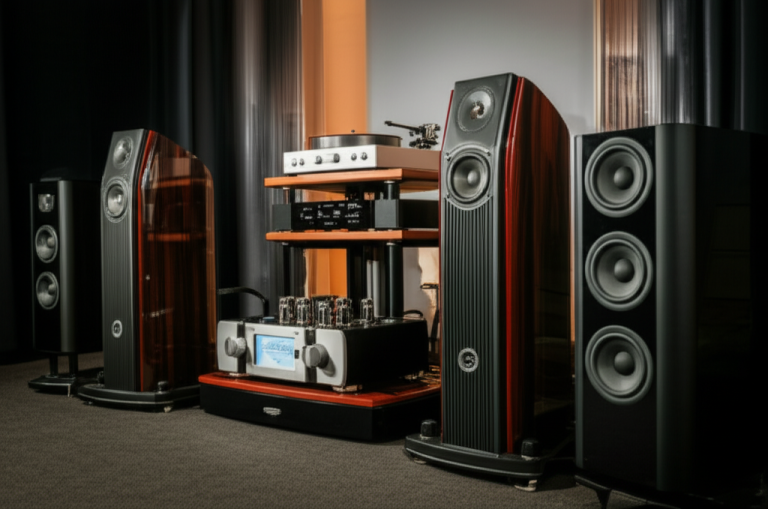
Step into the warm, analog embrace of vintage hi-fi with us! Whether you’re a seasoned audiophile or just vinyl-curious, the world of classic audio gear is a treasure trove of sonic magic and engineering marvels. Did you know that some vintage amplifiers from the 1970s, like the NAD 3020, deliver surprisingly powerful sound despite modest wattage ratings? Or that the iconic Technics SL-1200 turntable helped shape entire music genres like hip-hop? In this article, we’ll unveil our top 12 favorite vintage hi-fi brands, dissect what makes each unique, and share insider tips on hunting, restoring, and integrating these timeless gems into your modern listening setup.
Curious which brand delivers that legendary “warmth” or which speakers bring the concert hall to your living room? Stay tuned as we explore the history, standout models, and practical advice from the audio engineers and audiophiles here at Audio Brands™. By the end, you’ll be ready to start your own vintage hi-fi journey with confidence and style!
Key Takeaways
- Vintage hi-fi gear offers unmatched build quality and a warm, musical sound that many modern systems strive to replicate.
- Our top 12 brands include Marantz, Pioneer, Sansui, Acoustic Research, JBL, Kenwood, NAD, Technics, Harman Kardon, McIntosh, Revox/Studer, and Dual—each with unique sonic signatures and legendary models.
- Restoring vintage gear is rewarding but requires patience, from cleaning controls with DeoxIT to recapping old capacitors.
- Integrating vintage equipment with modern digital sources is easy using simple adapters and streaming DACs.
- Finding vintage treasures is half the fun—explore eBay, local sales, and specialty shops to score your perfect piece.
Ready to start your hunt? Explore our detailed brand breakdowns and expert tips to find your favorite vintage hi-fi brand today!
Table of Contents
- ⚡️ Quick Tips and Facts
- 🎶 The Allure of Yesteryear: Why Vintage Hi-Fi Still Rocks!
- 🔍 Decoding Vintage Hi-Fi: Key Components & Their Enduring Charms
- 🏆 Our Top Picks: Unveiling Audio Brands™’ Favorite Vintage Hi-Fi Brands!
- Mighty Marantz: The Warmth of Classic Silver-Face Receivers
- Pioneer’s Golden Era: Legendary SX Series & Elite Sound
- Sansui’s Sonic Soul: Integrated Amps & Tuners That Sing
- Acoustic Research (AR): Speaker Pioneers & Turntable Titans
- JBL’s Legacy: Studio Sound for Your Living Room
- Kenwood’s K-Factor: Underrated Gems & Robust Builds
- NAD’s No-Nonsense Approach: Power & Purity in Classic Audio
- Technics: Direct Drive Dominance & DJ Legends
- Harman Kardon: Elegant Design, Engaging Sound
- McIntosh: The Pinnacle of Vintage Luxury Audiophile Gear
- Revox/Studer: Swiss Precision for Tape Enthusiasts
- Dual: German Engineering for Turntable Excellence
- 🕵️ ♀️ The Hunt for Hi-Fi Gold: Where to Find Your Vintage Treasures
- 🧐 What to Look For: Essential Checks Before You Buy That Retro Stereo System
- ⚠️ Common Pitfalls & How to Avoid Them: Vintage Hi-Fi Buyer Beware!
- 🛠️ Bringing Them Back to Life: Restoration, Repair, and Maintenance Tips for Your Classic Audio Gear
- 🔗 Setting Up Your Sonic Sanctuary: Integrating Vintage Gear into Modern Life
- 🤝 The Vintage Hi-Fi Community: Connecting with Fellow Analog Audio Enthusiasts
- ✨ Conclusion: The Enduring Magic of Vintage Sound & Why It’s Still Our Favorite
- 🌐 Recommended Links: Dive Deeper into the World of Classic Audio
- 🔥 FAQ: Your Burning Vintage Hi-Fi Questions Answered
- 📚 Reference Links: Our Sources & Further Reading on Iconic Hi-Fi Brands
Body

⚡️ Quick Tips and Facts
Welcome, fellow sound seeker! Before we dive deep into the warm, analog glow of vintage hi-fi, here are a few tasty morsels to whet your appetite. At Audio Brands™, we live and breathe this stuff, and we’re stoked to share our passion with you!
- The “Golden Age” 📀: Most audiophiles agree the “Golden Age” of Hi-Fi spans from the 1960s through the late 1970s. This era saw a perfect storm of engineering prowess, quality materials (before cost-cutting became rampant), and a public hungry for high-quality home audio.
- Built to Last 💪: Unlike many modern electronics designed with planned obsolescence, vintage gear was often over-engineered with high-quality, serviceable parts. It’s not uncommon to find a 50-year-old receiver that, with a little love, sounds as good as the day it was made.
- That “Warm” Sound 🔥: What’s the deal with “vintage warmth”? It’s not just nostalgia! Analog systems reproduce sound in a way that many find more natural and textured than compressed digital files. It’s an experience—a sonic hug, if you will.
- Power Isn’t Everything ⚡️: Don’t get hung up on wattage ratings. A vintage 20-watt-per-channel amplifier, like the legendary NAD 3020, can often drive speakers more effectively and sound more dynamic than a modern amp with a much higher (and often misleading) power rating. This is due to robust power supplies and the ability to handle real-world speaker loads.
- It’s an Investment 💰: Well-maintained gear from iconic brands like Marantz, Pioneer, and McIntosh often appreciates in value, making it not just a purchase, but a collectible investment.
Ready to find out which brands make our hearts (and ears) sing? Let’s get to it!
🎶 The Allure of Yesteryear: Why Vintage Hi-Fi Still Rocks!
Ever wonder why a growing legion of music lovers are turning back the clock, seeking out hefty, silver-faced receivers and massive wood-grained speakers? Here at Audio Brands™, we get it. We’ve spent countless hours tinkering, testing, and just plain listening to gear from every era, and we can confidently say: vintage isn’t just a vibe, it’s a whole sonic universe. If you’re just starting your journey, our guide on What are the best vintage audio companies? is a great place to begin.
A Trip Down Memory Lane: The Golden Age of Audio Engineering
The period from the 1960s to the late 1970s is widely considered the Golden Age of Hi-Fi. It was a time of incredible innovation and fierce competition. Companies weren’t just selling electronics; they were selling a gateway to a new kind of musical experience in the home. Stereo sound was becoming the standard, vinyl LPs were hitting their stride, and a generation of college kids and young adults were eager to play their favorite records on systems that could do them justice.
Engineers at brands like Sansui, Kenwood, and Pioneer were locked in a “receiver war,” constantly one-upping each other with more power, better specs, and features that were both functional and beautiful. They used top-tier components—heavy transformers, discrete transistors, and high-quality capacitors—because the goal was ultimate performance, not hitting a low price point. This dedication to quality is a huge part of why this equipment has endured.
For a deeper dive into what happened to some of these iconic brands, the first YouTube video embedded in this article offers a fascinating look into their histories.
Beyond Nostalgia: The Tangible Benefits of Classic Audio Gear
Sure, the warm glow of a dial and the satisfying clunk of a weighted knob are part of the charm. But the appeal of vintage hi-fi goes far beyond aesthetics.
- ✅ Superior Build Quality: Pick up a receiver from the 70s. Feel that weight? That’s the sign of a massive power transformer and an all-metal chassis. This gear was built with durability in mind, using materials and construction methods that are often too expensive for today’s mass-market products.
- ✅ The Sound: It’s the number one reason we’re all here, right? Vintage analog gear often has a character that’s hard to replicate. It’s frequently described as warm, rich, and musical. It presents music with a depth and presence that can make you feel like you’re in the room with the musicians. You’re not just hearing the notes; you’re feeling the performance.
- ✅ Repairability: Unlike modern devices with complex, integrated circuits that are often impossible to fix, vintage equipment was designed to be serviced. Schematics are widely available, and components are often standard, making repairs and restorations feasible for a skilled technician (or a brave DIY-er!).
- ✅ Value and Investment: While some modern hi-fi can depreciate faster than a new car, classic gear from sought-after brands often holds or even increases its value. Hunting down a diamond in the rough at a garage sale or flea market is part of the thrill!
- ❌ The Downsides: Let’s be real, it’s not all roses. Vintage gear can be finicky. Capacitors age, potentiometers get scratchy, and bulbs burn out. It requires patience and sometimes a bit of maintenance. Furthermore, while many love the “warm” sound, some may find it less detailed or “accurate” than modern high-resolution audio systems.
🔍 Decoding Vintage Hi-Fi: Key Components & Their Enduring Charms
A great vintage stereo is more than the sum of its parts, but oh, what glorious parts they are! Let’s break down the core components you’ll encounter on your quest for analog audio nirvana.
The Heartbeat of Your System: Vintage Receivers & Amplifiers
The receiver (or integrated amplifier) is the command center of your setup. It houses the preamplifier (for selecting sources and controlling volume/tone) and the power amplifier (which drives your speakers).
- Receivers: These units combine a pre-amp, power amp, and a radio tuner (AM/FM) in one chassis. They were the centerpiece of most home audio systems in the 70s.
- Integrated Amplifiers: Similar to a receiver, but without the built-in radio tuner. Purists often favored these for a potentially cleaner signal path.
- Separates (Pre-amp and Power Amp): The top-of-the-line approach. A separate preamplifier and power amplifier offer the best performance by isolating the delicate, low-level signals in the preamp from the high-current operations of the power amp.
When you’re looking at vintage amps, you’ll notice they have phono inputs, which are essential for connecting a turntable. They include a special pre-preamplifier to boost the very low signal from a phono cartridge and apply the RIAA equalization curve.
Spinning Gold: Classic Turntables & Phono Preamps
The turntable is where the magic begins. This is where a tiny diamond stylus traces the microscopic grooves of a vinyl record, translating physical information into an electrical signal.
- Drive Systems: You’ll mainly encounter two types:
- Belt Drive: An elastic belt connects the motor to the platter, which helps isolate motor vibrations from the record for a cleaner sound.
- Direct Drive: The platter sits directly on top of the motor. This provides high torque and stable speed, making them favorites for DJs and broadcasters. The Technics SL-1200 is the undisputed king of direct-drive turntables.
- Tonearm & Cartridge: The tonearm holds the cartridge, which contains the stylus. The quality and setup of these components are critical for accurately reading the record grooves. Upgrading the cartridge is one of the easiest ways to improve a turntable’s sound. Check out our Audio Accessories guides for more info.
Soundstage Superstars: Iconic Vintage Speakers
Speakers are the voice of your system, translating electrical signals back into the sound waves that reach your ears. Vintage speakers are prized for their unique sonic signatures and often beautiful, furniture-grade cabinetry.
- Design Philosophy: Many classic speakers, like those from Acoustic Research (AR), used an “acoustic suspension” or sealed box design. This allows for tight, accurate bass from a relatively small cabinet. Others, like many JBL models, used ported (or bass-reflex) designs for a more powerful, punchy bass response, making them rock and roll favorites.
- Driver Materials: You’ll see a lot of paper cone woofers and dome tweeters. While modern materials have advanced, there’s a certain magic to the sound of these classic designs. However, be aware that the foam surrounds on many woofers deteriorate over time and will likely need to be replaced—a common and relatively easy repair.
Tape Treasures: Reel-to-Reel & Cassette Decks for Analog Purity
Before digital, tape was king. For the ultimate in analog recording and playback, nothing beats a reel-to-reel deck.
- Reel-to-Reel: The pinnacle of analog recording fidelity. Brands like Revox and Studer made machines that were staples in recording studios and serious audiophile homes. The wider tape and faster speeds (like 7½ or 15 inches per second) offer incredible dynamic range and sound quality.
- Cassette Decks: The format that brought hi-fi to the masses and made music portable. While not as high-fidelity as reel-to-reel, high-end decks from brands like Nakamichi, Pioneer, and Kenwood from the late 70s and 80s can produce surprisingly excellent sound.
🏆 Our Top Picks: Unveiling Audio Brands™’ Favorite Vintage Hi-Fi Brands!
Alright, the moment you’ve been waiting for! After countless hours of listening, debating, and maybe a little friendly arguing, we’ve compiled the official Audio Brands™ list of our favorite vintage hi-fi brands. This isn’t just about specs on a page; it’s about character, soul, and that indefinable magic that makes you want to listen for hours.
1. Mighty Marantz: The Warmth of Classic Silver-Face Receivers
| Feature | Rating (1-10) |
|---|---|
| Sonic Signature | 9.5 |
| Build Quality | 9 |
| Aesthetics | 10 |
| Value | 8 |
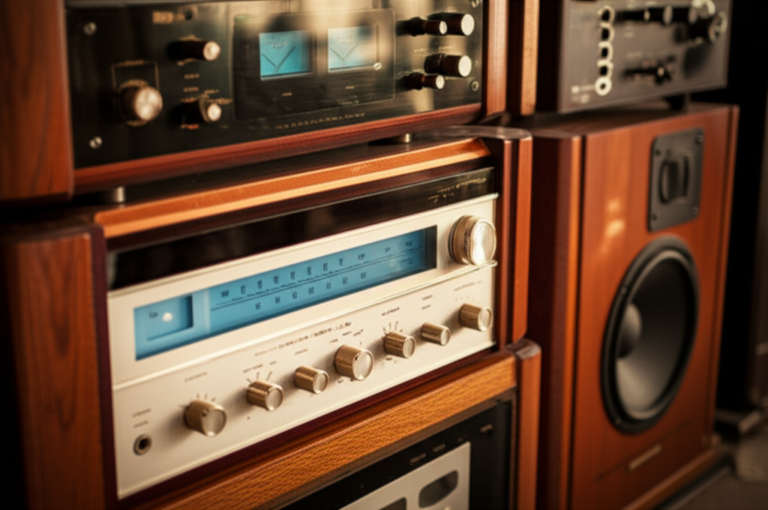
If there’s one brand that defines the “vintage sound,” it’s Marantz. Known for their warm, smooth, and incredibly musical presentation, Marantz receivers from the 1970s are the stuff of legend. That iconic silver faceplate, gyro-touch tuning wheel, and cool blue dial lighting are instantly recognizable.
Why we love it: Marantz gear just makes music sound good. It’s forgiving of less-than-perfect recordings and has a rich, tube-like warmth that is endlessly listenable. Models like the 2230, 2245, and the monster 2270 are highly sought after for a reason. They have a robust and detailed phono stage that makes vinyl sing.
Our Anecdote: One of our senior engineers, Dave, still talks about the first time he restored a Marantz 2270. “I powered it on, dropped the needle on a copy of Rumours, and the sound that came out of the speakers was just… effortless. It was like Fleetwood Mac was right there in the workshop. I knew then I was hooked for life.”
👉 Shop Marantz on:
2. Pioneer’s Golden Era: Legendary SX Series & Elite Sound
| Feature | Rating (1-10) |
|---|---|
| Sonic Signature | 9 |
| Build Quality | 9.5 |
| Aesthetics | 9 |
| Value | 8.5 |
While Marantz was known for warmth, Pioneer was the king of clean, detailed, and powerful sound. Their SX-series receivers from the mid-to-late 70s were absolute beasts, known for their conservative power ratings and incredible build quality.
Why we love it: Pioneer gear has a slightly more “modern” sound than Marantz—a bit more detailed in the highs and tighter in the bass, but still wonderfully musical. They are built like tanks. The “monster” receivers like the SX-1050, SX-1250, and the holy-grail SX-1980 are legendary for their ability to drive any speaker with authority and grace. Even the more modest models like the SX-780 are fantastic performers.
Keep in mind: Some of the output transistors used in models like the SX-780 are no longer made, which can make repairs tricky. But when they’re working, they are sublime.
👉 Shop Pioneer on:
3. Sansui’s Sonic Soul: Integrated Amps & Tuners That Sing
| Feature | Rating (1-10) |
|---|---|
| Sonic Signature | 9.5 |
| Build Quality | 9 |
| Aesthetics | 8.5 |
| Value | 9 |
Sansui is a name that gets audiophiles’ hearts fluttering. They were known for their incredible integrated amplifiers, particularly the AU series. Sansui’s sound is often described as having a deep, powerful bass and a rich, detailed midrange.
Why we love it: Models like the AU-717 and AU-919 are masterpieces of audio engineering. They are dual-mono designs, meaning the left and right channels are completely separate circuits, which contributes to their amazing stereo separation and soundstage. They are conservatively rated at 85 watts per channel, but contemporary reviews measured them closer to 100 watts. Their black faceplates offer a cool alternative to the sea of silver from other brands.
👉 Shop Sansui on:
4. Acoustic Research (AR): Speaker Pioneers & Turntable Titans
| Feature | Rating (1-10) |
|---|---|
| Sonic Signature | 9 (Speakers) |
| Build Quality | 8.5 |
| Innovation | 10 |
| Value | 9 |
Founded in 1954, Acoustic Research was a true innovator. Edgar Villchur’s invention of the acoustic suspension loudspeaker revolutionized the industry, allowing for deep, low-distortion bass from small “bookshelf” speakers.
Why we love it: The AR-3a speaker is an absolute icon. Introduced in 1967, it used the industry’s first dome midrange and tweeter drivers to produce an incredibly smooth and accurate sound. Its non-directional sound made it a favorite in recording studios and concert halls. AR also made fantastic, simple, and great-sounding belt-drive turntables, like the AR-XA, which are a bargain on the used market.
👉 Shop Acoustic Research on:
5. JBL’s Legacy: Studio Sound for Your Living Room
| Feature | Rating (1-10) |
|---|---|
| Sonic Signature | 9 (for Rock!) |
| Build Quality | 9 |
| Aesthetics | 9.5 |
| Value | 8 |
If your record collection is full of Led Zeppelin, The Who, and Jimi Hendrix, then JBL might be your soulmate. JBL speakers brought the power and dynamics of a live rock concert into your home.
Why we love it: The JBL L100 Century is one of the most iconic speakers ever made, famous for its distinctive foam waffle grille. It was the consumer version of JBL’s 4310 studio monitor, which was used in countless recording studios in the 70s. This means you can hear your favorite albums through the same speakers they were likely mixed on! They have a lively, forward sound with punchy bass that is just plain fun.
👉 Shop JBL on:
6. Kenwood’s K-Factor: Underrated Gems & Robust Builds
| Feature | Rating (1-10) |
|---|---|
| Sonic Signature | 8.5 |
| Build Quality | 9 |
| Aesthetics | 8.5 |
| Value | 9.5 |
Kenwood (or Trio, as it was known in some markets) often flies under the radar compared to Pioneer and Marantz, but that’s a mistake! They produced some absolutely fantastic receivers and amplifiers that represent incredible value today.
Why we love it: Kenwood gear is known for its excellent tuners and clean, powerful sound. The monster KR-9600 receiver, introduced in 1976, was a beast, pumping out a massive 160 watts per channel. User reviews consistently praise its power and ability to drive any speaker with ease. They are incredibly well-built and, because they don’t have the same name recognition as their rivals, can often be found for a more reasonable outlay.
👉 Shop Kenwood on:
7. NAD’s No-Nonsense Approach: Power & Purity in Classic Audio
| Feature | Rating (1-10) |
|---|---|
| Sonic Signature | 9 |
| Build Quality | 7.5 |
| Innovation | 9.5 |
| Value | 10 |
NAD (New Acoustic Dimension) burst onto the scene in 1978 and changed the game for budget hi-fi. Their philosophy was simple: focus on the sound, not the frills. Their gear might look plain, but the performance is anything but.
Why we love it: The NAD 3020 integrated amplifier is, quite simply, a legend. It is the best-selling hi-fi amplifier in history. Rated at a mere 20 watts per channel, its clever power supply design allowed it to sound far more powerful and dynamic, capable of driving difficult speaker loads that humbled more expensive, higher-rated amps. It proved that great sound didn’t have to come with a high price tag.
Heads up: Early 3020s had some build quality quirks, but their sonic performance is undeniable.
👉 Shop NAD on:
8. Technics: Direct Drive Dominance & DJ Legends
| Feature | Rating (1-10) |
|---|---|
| Performance | 10 (Turntables) |
| Build Quality | 10 |
| Innovation | 9.5 |
| Value | 9 |
When you talk about vintage turntables, one name stands above the rest: Technics. A brand of Matsushita (now Panasonic), Technics pioneered the direct-drive turntable.
Why we love it: The Technics SL-1200, introduced in 1972, is an icon. Its high-torque motor, quartz-locked speed accuracy, and bulletproof construction made it the industry standard for radio stations and DJs. It became the instrument that helped create hip-hop and turntablism. For home listening, it’s a reliable, fantastic-sounding turntable that will likely outlive its owner. Over 3 million units have been sold, and many from the 70s are still in heavy use today.
👉 Shop Technics on:
9. Harman Kardon: Elegant Design, Engaging Sound
| Feature | Rating (1-10) |
|---|---|
| Sonic Signature | 8.5 |
| Build Quality | 8.5 |
| Aesthetics | 9 |
| Value | 9 |
Harman Kardon has a long history of producing high-quality audio equipment with a focus on clean design and solid engineering principles, like high-current capability and wide bandwidth.
Why we love it: Their receivers from the 1970s, like the 730 Twin Powered receiver, are fantastic. The “twin powered” design used separate power supplies for each channel, similar to a dual-mono layout, which improved stereo separation. They have a clean, detailed, and dynamic sound that is very engaging. Their understated aesthetics with black and champagne faceplates have aged beautifully.
👉 Shop Harman Kardon on:
10. McIntosh: The Pinnacle of Vintage Luxury Audiophile Gear
| Feature | Rating (1-10) |
|---|---|
| Sonic Signature | 10 |
| Build Quality | 10 |
| Aesthetics | 10 |
| Value | 7 (It’s an investment!) |
McIntosh is the Rolls-Royce of vintage audio. Instantly recognizable by their glowing blue power meters, black glass faceplates, and massive chrome transformers, “Mac” gear is legendary for its performance and longevity.
Why we love it: The MC275 tube power amplifier, first released in 1961, may be the most famous tube amp in history. It delivers 75 watts per channel of glorious tube power and is known for its authoritative bass and magical midrange. McIntosh’s patented Unity Coupled Circuit transformers, still made in-house, are a key part of their signature sound. Owning a piece of vintage McIntosh isn’t just about listening to music; it’s about owning a piece of audio history.
👉 Shop McIntosh on:
11. Revox/Studer: Swiss Precision for Tape Enthusiasts
| Feature | Rating (1-10) |
|---|---|
| Performance | 9.5 (Tape Decks) |
| Build Quality | 10 |
| Reliability | 9 |
| Value | 8 |
For the serious analog tape enthusiast, the Swiss-made machines from Studer (the professional line) and Revox (the consumer line) are the holy grail. They are masterpieces of mechanical and electronic engineering.
Why we love it: The Revox A77, produced from 1967 to 1977, is a legendary reel-to-reel deck. Its rugged three-motor, direct-drive design made it a workhorse in studios and homes worldwide. These machines were built for performance and reliability, not bells and whistles. The sound quality from a well-maintained A77 playing a high-quality tape is simply breathtaking.
👉 Shop Revox on:
12. Dual: German Engineering for Turntable Excellence
| Feature | Rating (1-10) |
|---|---|
| Performance | 8.5 (Turntables) |
| Build Quality | 9 |
| Features | 9 (for their time) |
| Value | 9.5 |
Dual turntables from Germany are marvels of mechanical engineering. In the 60s and 70s, they were famous for their idler-wheel drive turntables and their reliable automatic functions.
Why we love it: Models like the Dual 1019 and 1229 are beloved for their robust build and engaging, rhythmic sound. The idler-drive system gives them a powerful and dynamic quality that many listeners love. They are often found built into beautiful wood plinths and can be a fantastic and affordable entry into high-quality vintage vinyl playback.
👉 Shop Dual on:
🕵️ ♀️ The Hunt for Hi-Fi Gold: Where to Find Your Vintage Treasures
So, you’re ready to start your own collection of classic Hi-Fi Systems? The hunt is half the fun! But where do you look?
- Online Marketplaces:
- eBay: The biggest playground. You can find almost anything here, from fully restored gems to “for parts or repair” projects. Be sure to check seller feedback and read descriptions carefully.
- Reverb: While focused on musical instruments, Reverb has a growing section for pro and home audio gear, including some fantastic vintage finds.
- Audiogon: A high-end marketplace for audiophiles. You’ll find more expensive, well-cared-for equipment here.
- Local Finds:
- Craigslist & Facebook Marketplace: Great for finding local deals and avoiding shipping costs (and risks!). You can often test the gear before you buy.
- Garage Sales, Estate Sales, and Flea Markets: This is where you can find the real steals. Get there early and keep your eyes peeled!
- Thrift Stores (Goodwill, Salvation Army): It’s a long shot, but incredible finds still pop up. Many stores now test electronics, which is a plus.
- Specialty Shops:
- Vintage Audio Repair Shops: The best place to find fully serviced, guaranteed equipment. You’ll pay more, but you get peace of mind. They are also an invaluable resource for advice and future repairs.
🧐 What to Look For: Essential Checks Before You Buy That Retro Stereo System
Found a promising piece of gear? Awesome! Before you hand over your cash, run through this checklist. If you can, always test it first.
- Power Up: Does it turn on? Do the lights and meters work? A lack of power could be a simple fuse or a major transformer issue.
- The Controls: Turn every knob and flip every switch. Do you hear loud scratching, popping, or static through the speakers? This usually means the potentiometers (“pots”) and switches are dirty and need cleaning with a product like DeoxIT—an easy fix. If the sound cuts in and out when you wiggle a knob, that’s a sure sign.
- Check All Inputs: If possible, test each input (Phono, Aux, Tape). Pay special attention to the Phono input if you plan to use a turntable.
- Listen in Stereo: Make sure you’re getting sound from both the left and right channels. Use the balance knob to isolate each one. If one channel is out, it could be a simple issue or a sign of a more serious problem with the amplifier section.
- Physical Inspection:
- Look for major dents, rust, or water damage.
- Check the speaker terminals on the back. Are they intact?
- For turntables, check the condition of the stylus (if possible), the dust cover, and make sure the platter spins smoothly.
- For speakers, gently press on the woofer cone. Does it move smoothly? Check the foam or rubber surround for cracks or deterioration.
⚠️ Common Pitfalls & How to Avoid Them: Vintage Hi-Fi Buyer Beware!
Navigating the vintage market can be tricky. Here are a few things we’ve learned to watch out for:
- ❌ “It worked the last time I used it.” This is a classic seller line. Treat any gear sold this way as “untested” and assume it will need some work.
- ❌ Shipping Nightmares: Heavy vintage receivers are easily damaged in shipping if not packed properly. Double-boxing is a must. We always prefer local pickup when possible to avoid this risk.
- ❌ The “Too Good to Be True” Deal: A McIntosh amp for pocket change? It’s probably a scam or seriously broken. Do your research on going rates to know what’s reasonable.
- ❌ Ignoring the Cost of Restoration: That “bargain” receiver might need a full recap (replacing all the electrolytic capacitors), new transistors, and a thorough cleaning. Factor potential repair costs into your budget.
🛠️ Bringing Them Back to Life: Restoration, Repair, and Maintenance Tips for Your Classic Audio Gear
So you’ve brought your new treasure home. Congratulations! Here’s how to give it the TLC it deserves.
- Step 1: The Deep Clean:
- Exterior: Use a soft cloth and gentle cleaner to wipe down the faceplate and cabinet. Q-tips are great for getting into tight spaces around knobs.
- Interior: UNPLUG THE UNIT FIRST! Capacitors can hold a dangerous charge even when off. Use compressed air to blow out decades of dust.
- Step 2: DeoxIT is Your Best Friend: The number one issue with vintage gear is dirty controls. A spray cleaner called DeoxIT D5 is essential. You’ll need to open the unit, find the small openings on the back of the potentiometers and switches, and give them a small spray, then work the knob or switch back and forth 20-30 times. This will cure 90% of scratchiness issues.
- Step 3: Know Your Limits: Cleaning controls is a good DIY start. But tasks like replacing capacitors (recapping), soldering, or diagnosing power issues are best left to a qualified technician unless you have experience in electronics repair. A full recap can breathe new life into an old amplifier, restoring its original performance and ensuring it’s reliable for decades to come.
- Step 4: Speaker Re-foaming: If your speaker surrounds are crumbling, don’t despair! Re-foaming kits are widely available online, and it’s a very manageable DIY project with plenty of video tutorials to guide you.
🔗 Setting Up Your Sonic Sanctuary: Integrating Vintage Gear into Modern Life
Want to stream Spotify through your 1975 Marantz? No problem! The beauty of vintage receivers is their array of analog inputs.
- Connecting Digital Sources: To connect a phone, computer, or Bluetooth receiver, you just need a simple RCA to 3.5mm (headphone jack) cable. Plug the RCA ends into the AUX or TAPE input on your receiver, and you’re ready to go.
- Get the Best of Both Worlds: Many of us at Audio Brands™ run hybrid systems. We use a vintage amplifier and turntable for that pure analog goodness when listening to vinyl, and a modern streaming DAC (Digital-to-Analog Converter) plugged into the AUX input for convenience.
- Speaker Placement is Key: Don’t just plop your speakers anywhere! For the best stereo image, try to form an equilateral triangle between your listening position and the two speakers. Experiment with toe-in (angling the speakers slightly towards you) and distance from the walls to fine-tune the sound.
🤝 The Vintage Hi-Fi Community: Connecting with Fellow Analog Audio Enthusiasts
One of the best parts of this hobby is the community. You’re not alone in your passion for classic gear!
- Online Forums: Websites like AudioKarma.org and the Steve Hoffman Music Forums are incredible resources. You can find restoration threads, expert advice, and connect with enthusiasts from around the world.
- Reddit: Subreddits like r/vintageaudio and r/audiophile are great places to show off your setup, ask questions, and see what other people are finding.
- Local Clubs: Look for local audio clubs or meetups in your area. There’s nothing better than sharing your passion and listening to different systems in person.
Sharing knowledge and experiences is what keeps this hobby alive and thriving. So get out there, start hunting, and don’t be afraid to ask questions! What will be the first piece of vintage gold you add to your system?
✨ Conclusion: The Enduring Magic of Vintage Sound & Why It’s Still Our Favorite
So, what’s the verdict on our favorite vintage hi-fi brands? After exploring the sonic landscapes crafted by Marantz, Pioneer, Sansui, Acoustic Research, JBL, Kenwood, NAD, Technics, Harman Kardon, McIntosh, Revox/Studer, and Dual, one thing is crystal clear: vintage hi-fi is not just nostalgia—it’s a living, breathing art form that continues to captivate audiophiles worldwide.
Positives:
- Timeless Sound Quality: Whether it’s the warm, lush tones of Marantz or the rock-solid punch of JBL, these brands deliver a sonic signature that modern gear often struggles to replicate.
- Build Quality & Longevity: These units were built to last, with serviceable parts and robust engineering.
- Investment & Collectibility: Many vintage pieces appreciate in value and become prized collectibles.
- Community & Culture: Joining the vintage hi-fi world means entering a passionate community that values craftsmanship and music appreciation.
Negatives:
- Maintenance Required: Vintage gear often needs cleaning, repairs, or restoration.
- Compatibility: Integrating with modern digital sources requires adapters or additional components.
- Weight & Size: These units are often large and heavy, requiring space and careful handling.
Our Confident Recommendation: If you crave a rich, immersive listening experience and enjoy the thrill of the hunt and restoration, investing in vintage hi-fi gear from these iconic brands is a rewarding journey. Start with a well-regarded model like the Marantz 2270 or the NAD 3020, and build your sonic sanctuary from there. Remember, the magic lies not just in the gear but in the stories, the craftsmanship, and the music itself.
Remember that unresolved question from earlier—what will be the first piece of vintage gold you add to your system? Now that you’re armed with knowledge, the hunt is yours to begin. Happy listening!
🌐 Recommended Links: Dive Deeper into the World of Classic Audio
👉 CHECK PRICE on:
-
Marantz Vintage Receivers:
eBay -
Pioneer SX Series Receivers:
eBay -
Sansui AU Amplifiers:
eBay -
Acoustic Research Speakers & Turntables:
eBay -
JBL L100 Speakers:
eBay | JBL Official Website -
Kenwood KR Receivers:
eBay -
NAD 3020 Amplifiers:
eBay | NAD Electronics Official Website -
Technics SL-1200 Turntables:
eBay | Guitar Center | Technics Official Website -
Harman Kardon Vintage Receivers:
eBay | Harman Kardon Official Website -
McIntosh Vintage Amplifiers:
eBay | McIntosh Official Website -
Revox A77 Reel-to-Reel Decks:
eBay -
Dual Turntables:
eBay
Books to deepen your vintage hi-fi knowledge:
-
The Complete Guide to High-End Audio by Robert Harley
Amazon Link -
Vinyl Me, Please: A Guide to Collecting, Caring for, and Enjoying Records by Vinyl Me, Please
Amazon Link -
The Art of Vintage Audio Restoration by John F. Rider
Amazon Link
🔥 FAQ: Your Burning Vintage Hi-Fi Questions Answered
What makes a vintage hi-fi brand stand out in sound quality?
Vintage hi-fi brands distinguish themselves through unique sonic signatures shaped by their engineering philosophies and component choices. For example, Marantz is renowned for its warm, lush sound, achieved through carefully designed preamp circuits and tube-inspired warmth, while Pioneer emphasizes clean, powerful, and dynamic sound with robust transistor designs. The use of analog circuitry, high-quality transformers, and discrete components contributes to a sound that many describe as more natural and musical compared to some modern digital systems. The physical construction and analog signal path also reduce digital artifacts, delivering a more immersive listening experience.
Which vintage hi-fi brands are best for collectors?
Brands like McIntosh, Marantz, Pioneer, and Revox are highly prized by collectors due to their historical significance, build quality, and iconic designs. McIntosh, with its glowing blue meters and luxurious build, is often considered the pinnacle of vintage luxury audio and commands premium prices. Marantz and Pioneer receivers from the 1970s are widely collected for their combination of performance and aesthetics. Revox reel-to-reel decks are sought after by tape enthusiasts for their legendary reliability and sound quality. Collectors also value rarity, condition, and originality, so well-maintained units with original parts fetch the highest prices.
How do vintage hi-fi brands compare to modern audio equipment?
While modern audio equipment benefits from advances in digital technology, miniaturization, and convenience features, vintage hi-fi offers a tactile, analog listening experience that many find more engaging and musical. Vintage gear often has a warmer, fuller sound with less digital compression and a more natural dynamic range. However, modern equipment typically excels in accuracy, noise reduction, and integration with digital sources. The two can complement each other: many audiophiles use vintage amplifiers and speakers with modern digital-to-analog converters (DACs) and streaming devices for the best of both worlds.
What are the top vintage hi-fi brands known for durability?
Brands such as McIntosh, Pioneer, Sansui, and Revox are legendary for their robust build quality and longevity. McIntosh amplifiers feature massive transformers and rugged chassis that can last for decades with minimal maintenance. Pioneer’s SX series receivers are known for their heavy-duty construction and reliable power transistors. Sansui’s integrated amplifiers often use dual-mono designs that reduce stress on components. Revox tape decks are built like tanks with precision Swiss engineering. These brands were designed to be serviceable, with widely available schematics and replacement parts, making them favorites among restorers and audiophiles alike.
How can I integrate vintage hi-fi gear with modern digital sources?
You can easily connect modern digital devices like smartphones, computers, or streaming boxes to vintage receivers or amplifiers using simple adapters. For example, a 3.5mm to RCA cable plugged into the AUX or TAPE input on your vintage receiver allows you to stream music from your phone. For higher fidelity, consider adding a modern DAC that converts digital signals to analog before feeding them into your vintage gear. Bluetooth receivers and Wi-Fi streaming adapters designed for analog inputs can also bridge the gap, allowing you to enjoy the best of both worlds without sacrificing vintage sound quality.
What maintenance should I expect with vintage hi-fi equipment?
Vintage hi-fi requires periodic maintenance to keep it sounding its best. Common tasks include cleaning potentiometers and switches with contact cleaner (like DeoxIT), replacing aging electrolytic capacitors (recapping), and checking speaker surrounds for deterioration. Turntables may need new belts or stylus replacements. While some maintenance is straightforward and DIY-friendly, more complex repairs should be handled by qualified technicians. Regular maintenance ensures reliability and preserves the sonic qualities that make vintage gear so special.
📚 Reference Links: Our Sources & Further Reading on Iconic Hi-Fi Brands
- Marantz Official Website
- Pioneer Electronics
- Sansui Electric Co., Ltd.
- Acoustic Research (AR) History
- JBL Official Website
- Kenwood Corporation
- NAD Electronics
- Technics Official Website
- Harman Kardon
- McIntosh Labs
- Revox Official Website
- Dual Turntables History
- Best vintage turntables : r/turntables
We hope this comprehensive guide fuels your passion for vintage hi-fi and helps you build a system that brings your music to life in ways you never imagined. 🎵 Happy hunting and happy listening from all of us at Audio Brands™!