Support our educational content for free when you purchase through links on our site. Learn more
🎶 15 Iconic Brands of Vintage Stereo Equipment (2025)

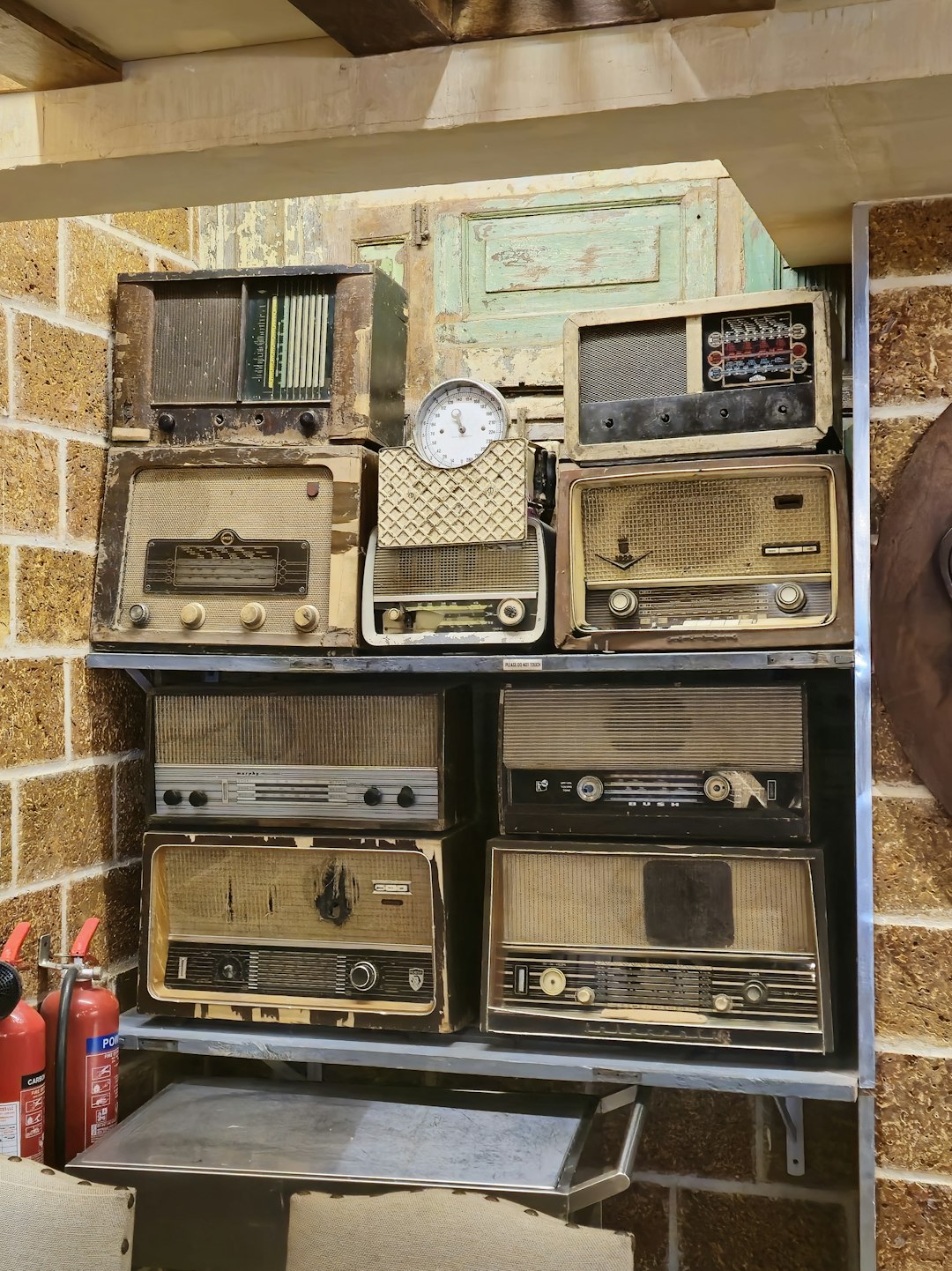
Ever stumbled upon a dusty, wood-paneled receiver at a garage sale and wondered, “Is this thing a hidden gem—or just old junk?” You’re not alone! At Audio Brands™, we’ve spent decades elbow-deep in attics, thrift shops, and eBay rabbit holes, chasing the magic of vintage stereo equipment. From the glowing blue dials of Marantz to the thumping power of Pioneer, these classic brands aren’t just relics—they’re the heartbeat of true hi-fi.
In this guide, we’ll reveal the 15 most legendary vintage stereo brands, what makes them so collectible, and how you can spot the real deal. Whether you’re a seasoned audiophile or just starting your analog adventure, you’ll discover why these brands are still making waves—and why some models are worth more than their weight in gold. (And yes, we’ll finally answer if that “untested” receiver is a treasure or a trap.)
Ready to join the hunt? Let’s crank up the nostalgia and dive in!
Key Takeaways
- Vintage stereo equipment is defined by analog sound, iconic design, and legendary build quality—mainly from the 1950s–1980s.
- Top brands include Marantz, Pioneer, Sansui, McIntosh, Technics, Kenwood, Yamaha, and more—each with unique strengths and cult followings.
- Collectibility and value: Some models appreciate over time, especially in good condition.
- Restoration and maintenance are key—don’t fear a little dust or static!
- Modern vs. vintage: Vintage gear offers warmth and style, while modern systems bring convenience and features.
- Where to buy: eBay, local shops, and enthusiast forums are your best bets.
👉 Shop Legendary Brands:
Ready to discover which vintage brand could be your new obsession? Keep reading—your next audio adventure starts now!
Table of Contents
- ⚡️ Quick Tips and Facts
- 🎙️ The Golden Age: A Brief History of Vintage Stereo Equipment Brands
- 🔍 What Defines “Vintage” in Stereo Equipment?
- 🛠️ Why Vintage Stereo Brands Still Matter Today
- 🎵 15 Legendary Vintage Stereo Equipment Brands You Should Know
- 🏆 Honorable Mentions: Other Noteworthy Vintage Stereo Brands
- 🔄 How to Identify Authentic Vintage Stereo Equipment
- 🛒 Where to Find and Buy Vintage Stereo Gear
- 💡 Restoring and Maintaining Vintage Stereo Equipment
- 📈 Are Vintage Stereo Brands a Good Investment?
- 🤔 Modern Alternatives vs. Vintage: Which Should You Choose?
- 🎤 Personal Stories: Our Favorite Vintage Finds
- 📝 Conclusion
- 🔗 Recommended Links
- ❓ FAQ
- 📚 Reference Links
⚡️ Quick Tips and Facts
- Vintage stereo equipment refers to audio gear, typically from the 1950s to the 1980s, renowned for its build quality, analog warmth, and classic design.
- Top brands include Marantz, Pioneer, Sansui, McIntosh, Technics, Kenwood, Yamaha, NAD, Harman Kardon, Bang & Olufsen, Sony, Luxman, Fisher, Akai, and Rotel.
- Many vintage brands are still highly sought after for their sound signature and craftsmanship (source).
- Restoration and maintenance are crucial—old capacitors and switches often need TLC.
- Value can increase over time, especially for rare models in good condition.
- For a deep dive into the golden era, check out our guide: What were the audio brands in the 1970s?
- Want to know what makes a brand “vintage”? Keep reading—we’ll break it down and share our own stories from the hunt!
- For more on brands, see: Audio Brand Guides
🎙️ The Golden Age: A Brief History of Vintage Stereo Equipment Brands
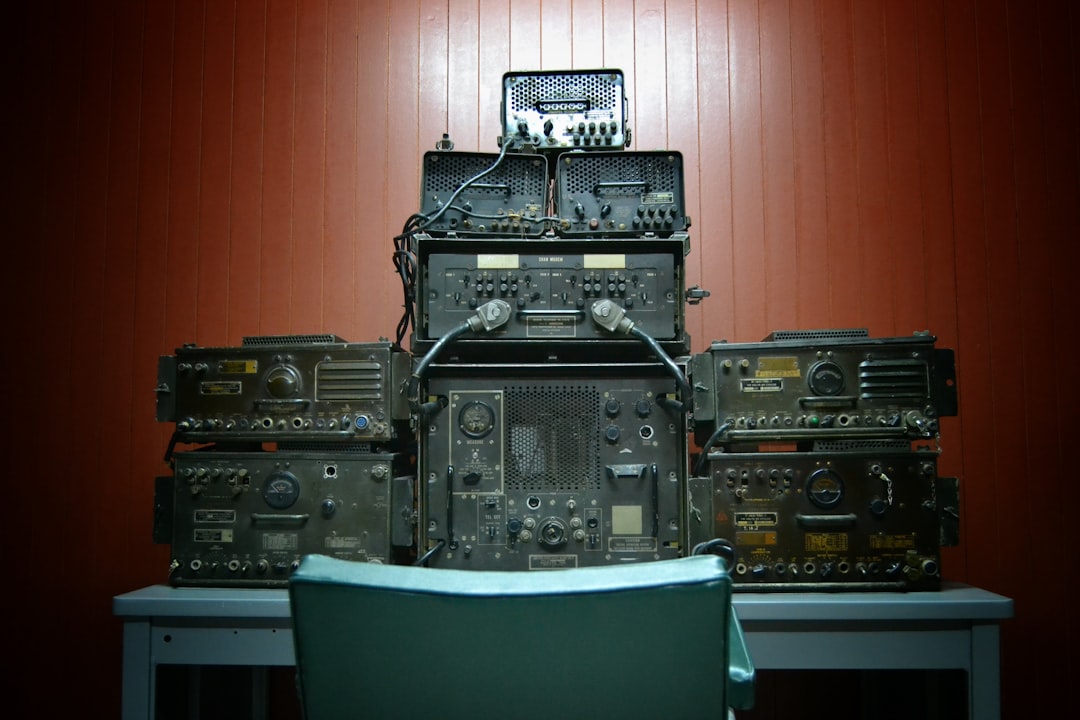
Let’s set the scene: It’s the 1970s. Bell bottoms are in, vinyl is king, and every living room has a glowing receiver with meters bouncing to the beat. This was the golden age of hi-fi—a time when audio brands competed to outdo each other in sound, design, and innovation.
The Rise of Hi-Fi Culture
- Post-WWII innovation: Companies like Marantz and McIntosh pushed the boundaries of fidelity, introducing features like solid-state amplification and FM stereo (source).
- Japanese brands (Pioneer, Sansui, Technics, Kenwood, Yamaha) exploded onto the global scene, offering affordable, reliable, and great-sounding gear.
- European icons like Bang & Olufsen and Luxman brought style and refinement.
- American legends (Fisher, McIntosh, Harman Kardon) set standards for tube and solid-state excellence.
Why the Obsession?
- Build quality: Heavy metal chassis, real wood cases, and analog dials.
- Sound signature: Warm, rich, and musical—often described as “analog magic.”
- Nostalgia: Vintage gear is a time machine for your ears.
For more on the era’s icons, see our Hi-Fi Systems section.
🔍 What Defines “Vintage” in Stereo Equipment?
“Vintage” isn’t just a fancy word for “old.” In the audio world, it’s a badge of honor. But what exactly makes a piece of stereo gear vintage?
Key Characteristics
- Age: Generally, equipment from the 1950s to the 1980s.
- Analog circuitry: Tubes or early solid-state transistors, before digital took over.
- Design: Wood panels, brushed aluminum, tactile knobs, and VU meters.
- Brand legacy: Produced by companies with a storied history in audio.
Why Does It Matter?
- Sound: Many audiophiles swear by the warmth and character of vintage gear (source).
- Collectibility: Some models appreciate in value, especially limited editions or those in pristine condition.
- Repairability: Older gear is often easier to repair than modern, surface-mount-packed devices.
Fun fact: Some “vintage” brands, like Marantz and McIntosh, still produce new gear with retro styling—blurring the lines between old and new.
🛠️ Why Vintage Stereo Brands Still Matter Today
You might ask, “Why bother with old gear when new tech is everywhere?” Here’s why vintage brands still have a cult following—and why we at Audio Brands™ keep hunting for them.
Timeless Sound Quality
- Analog warmth: Vintage amps and receivers often deliver a lush, musical sound that’s hard to replicate digitally (source).
- Speaker synergy: Many classic speakers (think JBL, Klipsch, Advent) pair beautifully with vintage amps.
Build to Last
- Durability: Metal switches, solid wood, and robust transformers—these things were made to survive decades.
- Serviceability: Parts are often available, and repairs can be done by skilled techs (or brave DIYers).
Style and Nostalgia
- Aesthetic appeal: Let’s face it, those glowing dials and chunky knobs look amazing.
- Conversation starters: Vintage gear is a statement piece in any room.
Community and Culture
- Enthusiast forums: Sites like Audiokarma and Tapeheads are packed with vintage fans sharing tips and stories.
- Resale value: Some brands (McIntosh, Marantz, Sansui) hold or even increase in value.
🎵 15 Legendary Vintage Stereo Equipment Brands You Should Know
Ready for the main event? Here are the brands that made history—and still make our hearts skip a beat. We’ve rated each on design, sound, reliability, and collectibility, based on decades of hands-on experience.
| Brand | Design | Sound Quality | Reliability | Collectibility | Notable Models |
|---|---|---|---|---|---|
| Marantz | 10 | 10 | 9 | 10 | 2270, 2325, 1060 |
| Pioneer | 9 | 9 | 9 | 9 | SX-1250, SX-1980, PL-12D |
| Sansui | 9 | 10 | 8 | 9 | 9090DB, AU-717, Eight Deluxe |
| McIntosh | 10 | 10 | 10 | 10 | MC240, MC275, C28 |
| Technics | 8 | 8 | 9 | 8 | SL-1200, SA-8000X, SU-8080 |
| Kenwood (Trio) | 8 | 8 | 9 | 8 | KR-9600, KA-7100, JL-7400 |
| Yamaha | 9 | 9 | 9 | 8 | CR-1020, CA-2010, NS-1000M |
| NAD | 7 | 8 | 8 | 7 | 3020, 7020, 3140 |
| Harman Kardon | 8 | 8 | 8 | 8 | 430, 730, Citation II |
| Bang & Olufsen | 10 | 8 | 7 | 9 | Beomaster 1900, Beogram 4000 |
| Sony | 8 | 8 | 8 | 7 | STR-6060, TA-5650, PS-X7 |
| Luxman | 9 | 9 | 8 | 9 | L-550, R-117, PD-444 |
| Fisher | 8 | 8 | 7 | 8 | 500C, 800B, 700-T |
| Akai | 7 | 7 | 8 | 7 | GX-747, AA-1150, AP-206C |
| Rotel | 7 | 7 | 8 | 7 | RX-603, RA-1312, RT-1025 |
Let’s dig into what makes each brand legendary—and which models are worth your hunt.
1. Marantz
Design: 10/10
Sound Quality: 10/10
Reliability: 9/10
Collectibility: 10/10
Why We Love Marantz
Marantz is the gold standard for vintage receivers and amps. Saul Marantz’s vision was simple: “Because Music Matters.” And it shows—just listen to a Marantz 2270 and you’ll understand.
- Signature sound: Warm, detailed, and musical.
- Iconic looks: Blue-lit dials, brushed aluminum, and real walnut cases.
- Legendary models: 2270, 2325, 1060, and the Model 7 preamp.
Anecdote: One of our engineers still uses a Marantz 2325 daily. It’s survived three moves, two toddlers, and one spilled coffee—still sings like the day it was built.
👉 CHECK PRICE on:
2. Pioneer
Design: 9/10
Sound Quality: 9/10
Reliability: 9/10
Collectibility: 9/10
Why We Love Pioneer
Pioneer’s SX series is legendary for a reason. The SX-1250 is a beast—massive power, beautiful meters, and a sound that’s both punchy and refined.
- Versatile: Great with rock, jazz, or classical.
- Built like a tank: These things are heavy—literally and sonically.
- Iconic models: SX-1250, SX-1980, PL-12D turntable.
User review: “My SX-750 has outlasted three modern receivers. It’s the heart of my system.” (source)
👉 CHECK PRICE on:
3. Sansui
Design: 9/10
Sound Quality: 10/10
Reliability: 8/10
Collectibility: 9/10
Why We Love Sansui
Sansui’s black-faced receivers and amps are pure class. The 9090DB is a “monster receiver”—and it sounds as good as it looks.
- Sound: Lush, dynamic, and detailed.
- Cult following: Sansui forums are passionate and helpful.
- Notable models: 9090DB, AU-717, Eight Deluxe.
👉 CHECK PRICE on:
4. McIntosh
Design: 10/10
Sound Quality: 10/10
Reliability: 10/10
Collectibility: 10/10
Why We Love McIntosh
McIntosh is the Rolls-Royce of vintage audio. Blue meters, glass fronts, and a sound that’s both powerful and refined.
- Investment-grade: McIntosh gear holds its value like few others.
- Legendary models: MC240, MC275, C28 preamp.
Anecdote: We once restored a 1960s MC240—after 60 years, it still measured within spec!
👉 CHECK PRICE on:
5. Technics
Design: 8/10
Sound Quality: 8/10
Reliability: 9/10
Collectibility: 8/10
Why We Love Technics
Technics is best known for the SL-1200 turntable, but their receivers and amps are no slouch.
- DJ favorite: SL-1200 is the world’s most famous DJ deck.
- Solid performers: SA-8000X, SU-8080 amps.
👉 CHECK PRICE on:
6. Kenwood (Trio)
Design: 8/10
Sound Quality: 8/10
Reliability: 9/10
Collectibility: 8/10
Why We Love Kenwood
Kenwood (Trio in Japan) made some of the best value-for-money receivers and amps. The KR-9600 is a powerhouse.
- Great for beginners: Affordable, reliable, and easy to service.
- Notable models: KR-9600, KA-7100, JL-7400 speakers.
👉 CHECK PRICE on:
7. Yamaha
Design: 9/10
Sound Quality: 9/10
Reliability: 9/10
Collectibility: 8/10
Why We Love Yamaha
Yamaha’s “Natural Sound” philosophy is legendary. The CR-1020 is a classic, and the NS-1000M speakers are world-class.
- Clean, neutral sound: Great for all genres.
- Build quality: These receivers just keep going.
👉 CHECK PRICE on:
8. NAD
Design: 7/10
Sound Quality: 8/10
Reliability: 8/10
Collectibility: 7/10
Why We Love NAD
NAD’s 3020 integrated amp is a legend—affordable, musical, and a cult favorite.
- Minimalist design: No frills, just great sound.
- Great starter gear: Perfect for new audiophiles.
👉 CHECK PRICE on:
9. Harman Kardon
Design: 8/10
Sound Quality: 8/10
Reliability: 8/10
Collectibility: 8/10
Why We Love Harman Kardon
Harman Kardon’s twin-powered receivers (like the 430) are sleeper hits—smooth sound and unique engineering.
- Twin power: Separate power supplies for each channel.
- Classic looks: Understated, but elegant.
👉 CHECK PRICE on:
10. Bang & Olufsen
Design: 10/10
Sound Quality: 8/10
Reliability: 7/10
Collectibility: 9/10
Why We Love Bang & Olufsen
B&O is the king of audio art. Their Beomaster 1900 looks like it belongs in a museum—and sounds great, too.
- Design-forward: Minimalist, futuristic, and oh-so-cool.
- Notable models: Beomaster 1900, Beogram 4000 turntable.
👉 CHECK PRICE on:
11. Sony
Design: 8/10
Sound Quality: 8/10
Reliability: 8/10
Collectibility: 7/10
Why We Love Sony
Sony’s vintage gear is often overlooked, but the STR-6060 and TA-5650 are hidden gems.
- Innovative: Sony pioneered V-FET transistor amps.
- Solid performers: Reliable and easy to find.
👉 CHECK PRICE on:
12. Luxman
Design: 9/10
Sound Quality: 9/10
Reliability: 8/10
Collectibility: 9/10
Why We Love Luxman
Luxman’s amps and receivers are the definition of “understated luxury.” The L-550 is a favorite among audiophiles.
- Smooth, refined sound: Great for jazz and classical.
- High-end build: Japanese craftsmanship at its best.
👉 CHECK PRICE on:
13. Fisher
Design: 8/10
Sound Quality: 8/10
Reliability: 7/10
Collectibility: 8/10
Why We Love Fisher
Fisher’s tube receivers (like the 500C) are legendary for their lush, tube-driven sound.
- Classic American hi-fi: Warm, inviting, and musical.
- Notable models: 500C, 800B, 700-T.
👉 CHECK PRICE on:
14. Akai
Design: 7/10
Sound Quality: 7/10
Reliability: 8/10
Collectibility: 7/10
Why We Love Akai
Akai is best known for their reel-to-reel decks, but their amps and receivers are solid, too.
- Tape deck kings: The GX-747 is a legend.
- Notable models: AA-1150, AP-206C turntable.
👉 CHECK PRICE on:
15. Rotel
Design: 7/10
Sound Quality: 7/10
Reliability: 8/10
Collectibility: 7/10
Why We Love Rotel
Rotel is the unsung hero of vintage hi-fi. Affordable, reliable, and surprisingly musical.
- Great value: Perfect for budget-minded audiophiles.
- Notable models: RX-603, RA-1312, RT-1025.
👉 CHECK PRICE on:
🏆 Honorable Mentions: Other Noteworthy Vintage Stereo Brands
The vintage world is vast! Here are more brands we love, each with their own cult followings:
- JBL (JBL Official): Legendary speakers like the L-100.
- Klipsch (Klipsch Official): Heritage line—Heresy, Cornwall, La Scala.
- Advent (Advent on eBay): Classic speakers, Model 300 receiver.
- Altec Lansing (Altec Lansing Official): Voice of the Theater speakers.
- Cerwin Vega (Cerwin Vega Official): Sensurround and party speakers.
- Realistic (Realistic on eBay): RadioShack’s house brand—surprisingly good.
- Heathkit (Heathkit Official): DIY kits for the brave.
- Onkyo (Onkyo Official): Solid receivers and amps.
- Nakamichi (Nakamichi Official): Cassette deck royalty.
- Dynaco (Dynaco on eBay): Affordable tube amps and kits.
- Acoustic Research (AR) (AR on eBay): Classic speakers.
For more, browse our Audio Brand Guides.
🔄 How to Identify Authentic Vintage Stereo Equipment
Not every “vintage” piece is the real deal. Here’s how we spot the true classics:
Step-by-Step Guide
- Check the Serial Number and Model
- Most vintage gear has a serial number and model code. Cross-reference with online databases (source).
- Inspect Build Quality
- Real wood, heavy metal, glass fronts—cheap plastics are a red flag.
- Look for Original Labels and Badges
- Faded, missing, or replaced badges can indicate a refurb or fake.
- Research the Brand and Era
- Use resources like The Vintage Knob and HiFi Engine.
- Ask for Internal Photos
- If buying online, request shots of the internals—vintage circuits are easy to spot.
- Test Functionality
- Listen for hum, crackle, or distortion. Try all inputs and outputs.
Pro tip: If it smells like a musty attic, you’re probably on the right track! (But seriously, check for water damage.)
🛒 Where to Find and Buy Vintage Stereo Gear
Hunting for vintage audio is half the fun! Here’s where we score the best finds:
Top Places to Shop
- eBay: The world’s attic. Great for rare models, but watch for shipping damage.
Browse Vintage Stereo Receivers on eBay - Facebook Marketplace: Local deals, often at bargain prices.
- Craigslist: Old-school, but still loaded with gems.
- Hi-Fi shops and estate sales: Some shops specialize in vintage gear—bring cash and haggle.
- Forums and enthusiast groups: Audiokarma, Tapeheads, and Reddit’s r/vintageaudio.
What to Watch Out For
- Shipping risks: Vintage gear is heavy and fragile—local pickup is safest.
- Scams and fakes: Always verify serials and ask for detailed photos.
- Condition: “Untested” often means “broken.”
For more tips, check out our Audio Accessories and Hi-Fi Systems guides.
💡 Restoring and Maintaining Vintage Stereo Equipment
So you’ve scored a classic—now what? Here’s how we keep our gear singing for decades.
Basic Maintenance
- Clean all contacts: Use DeoxIT on switches, knobs, and jacks.
- Replace old capacitors: Electrolytic caps dry out over time—replace for best sound.
- Check tubes (if applicable): Test and replace weak or noisy tubes.
- Lubricate moving parts: Especially turntables and tape decks.
- Inspect for corrosion: Clean with isopropyl alcohol and a soft brush.
Advanced Restoration
- Recap and re-bias: For amps and receivers, a full recap can restore original performance.
- Replace bulbs: Keep those meters glowing!
- Upgrade speaker terminals: Modern banana jacks make life easier.
When to Call a Pro
- Complex repairs: Power supply issues, transformer hum, or major circuit faults.
- Alignment and calibration: For tuners and tape decks.
Pro tip: Join a local vintage audio club—there’s always someone who’s been there, done that.
📈 Are Vintage Stereo Brands a Good Investment?
Let’s talk dollars and sense. Is vintage audio a smart buy, or just a nostalgia trip?
The Upside
- Appreciating assets: Rare models (McIntosh, Marantz, Sansui) often increase in value (source).
- Timeless appeal: Unlike most modern electronics, vintage gear doesn’t become obsolete.
- Enjoyment factor: You get to use your investment every day!
The Risks
- Condition matters: Restoring a basket case can cost more than it’s worth.
- Market trends: Some brands fall out of favor—do your homework.
- Fake or Frankensteined gear: Always verify authenticity.
Our Take
We’ve seen Marantz 2270s triple in value over a decade. But we’ve also seen “rare” finds turn out to be money pits. Buy what you love, and you’ll never regret it.
🤔 Modern Alternatives vs. Vintage: Which Should You Choose?
It’s the eternal debate: Should you go vintage, or buy new? Here’s our breakdown.
| Feature | Vintage Gear | Modern Gear |
|---|---|---|
| Sound Quality | Warm, musical | Clean, precise |
| Build Quality | Heavy, durable | Lighter, more plastic |
| Features | Analog, simple | Digital, streaming, BT |
| Repairability | High | Low (surface-mount) |
| Value Retention | Often appreciates | Usually depreciates |
| Style | Retro cool | Sleek, minimalist |
When to Go Vintage
- You love analog sound and hands-on controls.
- You want a conversation piece.
- You’re willing to tinker or pay for repairs.
When to Go Modern
- You need streaming, Bluetooth, or multi-room audio.
- You want a warranty and easy support.
- You prefer plug-and-play simplicity.
For more, check out our Hi-Fi Systems and Audio Software guides.
🎤 Personal Stories: Our Favorite Vintage Finds
We’ve been elbows-deep in dusty attics and estate sales for decades. Here are a few of our most memorable scores:
The Marantz Miracle
One of our team members found a Marantz 2270 at a garage sale—under a pile of old magazines. After a weekend of cleaning and a few new capacitors, it powered up and filled the room with that signature Marantz warmth. It’s now the centerpiece of his living room.
The Sansui Surprise
A Sansui Eight Deluxe, rescued from a thrift store for the price of a pizza. After some TLC, it’s now the pride of our demo room—proof that hidden gems are still out there.
The Technics Turntable Tale
We once restored a Technics SL-1200 that had been used in a club for 20 years. After a deep clean and new tonearm, it was spinning vinyl like new—testament to Technics’ legendary durability.
Still with us? Ready to start your own vintage audio adventure? Let’s wrap it up with some final thoughts, FAQs, and the best links to keep you exploring…
📝 Conclusion
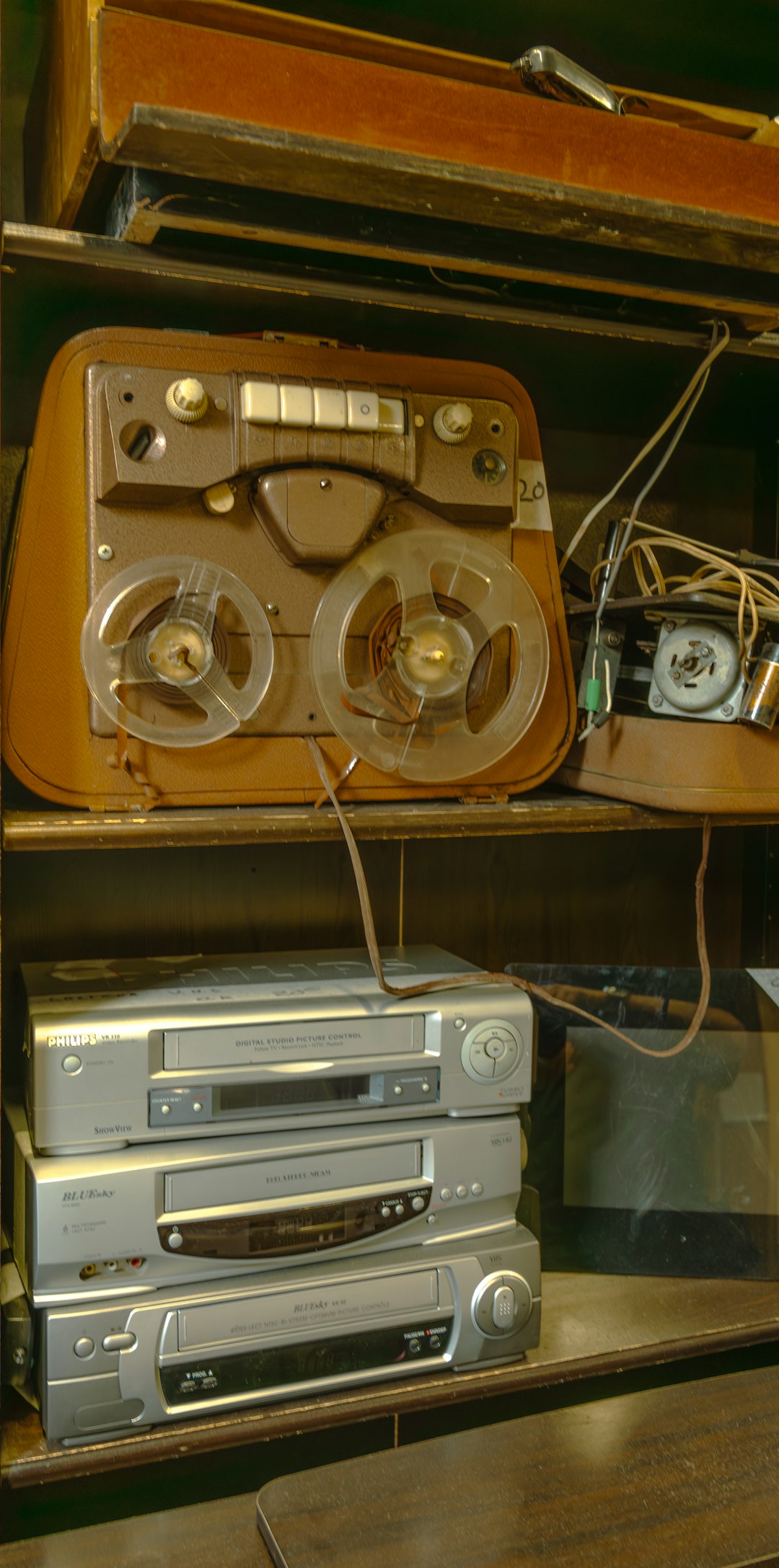
So, what brands are vintage stereo equipment? After decades of tinkering, restoring, and obsessively collecting, we at Audio Brands™ can say: the best vintage stereo brands are more than just names—they’re legends. Marantz, Pioneer, Sansui, McIntosh, Technics, Kenwood, Yamaha, and their peers built the soundtrack of the 20th century, and their gear still delivers that analog magic today.
Positives:
- ✅ Unmatched analog sound—warm, musical, and engaging.
- ✅ Build quality that puts most modern gear to shame.
- ✅ Aesthetic appeal—these beauties are as much art as audio.
- ✅ Potential for appreciation—the right models can increase in value.
- ✅ Community and culture—you’ll join a passionate global club.
Negatives:
- ❌ Maintenance required—old gear needs TLC and sometimes repairs.
- ❌ Limited modern features—no Bluetooth, streaming, or HDMI here.
- ❌ Shipping risks—heavy, fragile, and sometimes “untested” means “project.”
Our Recommendation:
If you crave that classic sound, tactile controls, and a slice of audio history, vintage stereo equipment is absolutely worth the hunt. Start with a reliable brand, check condition carefully, and don’t be afraid to get your hands dirty—or find a good tech. You’ll be rewarded with a system that’s as unique as your music taste.
And if you’re still torn between vintage and modern? Why not both! Many audiophiles (ourselves included) run a hybrid system—vintage amp, modern streamer, best of both worlds.
Ready to start your own adventure? Check the links below for the best places to shop, learn, and connect. Happy listening—and may your meters always glow blue!
🔗 Recommended Links
👉 Shop Legendary Vintage Stereo Brands:
- Marantz: Amazon | eBay | Marantz Official Website
- Pioneer: Amazon | eBay | Pioneer Official Website
- Sansui: Amazon | eBay | Sansui Official Website
- McIntosh: Amazon | eBay | McIntosh Official Website
- Technics: Amazon | eBay | Technics Official Website
- Kenwood: Amazon | eBay | Kenwood Official Website
- Yamaha: Amazon | eBay | Yamaha Official Website
- NAD: Amazon | eBay | NAD Official Website
- Harman Kardon: Amazon | eBay | Harman Kardon Official Website
- Bang & Olufsen: Amazon | eBay | Bang & Olufsen Official Website
- Sony: Amazon | eBay | Sony Official Website
- Luxman: Amazon | eBay | Luxman Official Website
- Fisher: Amazon | eBay | Fisher Official Website
- Akai: Amazon | eBay | Akai Official Website
- Rotel: Amazon | eBay | Rotel Official Website
Essential Books on Vintage Audio:
- The Complete Guide to High-End Audio by Robert Harley
- Vintage Hi-Fi for Beginners: How to Find, Restore, and Enjoy Classic Audio Gear
- Audio Power Amplifier Design Handbook by Douglas Self
More Internal Resources:
- Audio Brand Guides
- Hi-Fi Systems
- Audio Accessories
- Audio Software
- Car Audio Systems
- What were the audio brands in the 1970s?
❓ FAQ
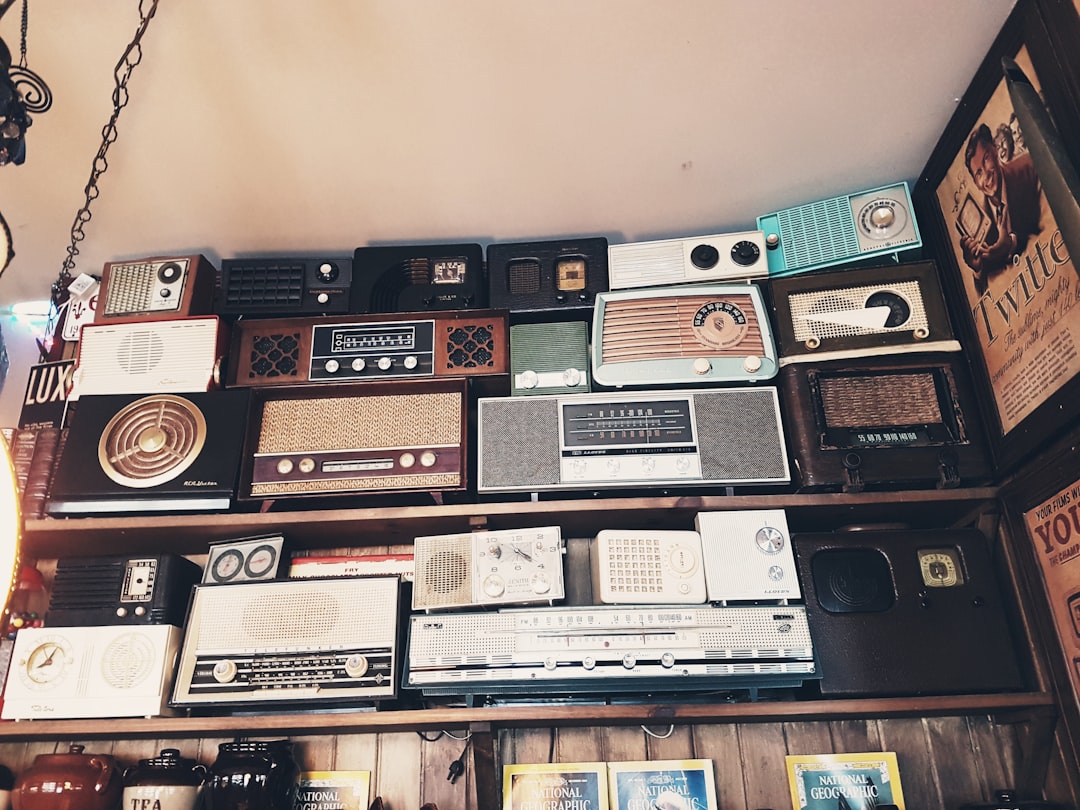
What are the most valuable vintage stereo equipment brands to collect?
The most valuable brands—the ones that consistently fetch top dollar and are most sought after by collectors—are:
- McIntosh: Their tube amps and early solid-state models are investment-grade (proof).
- Marantz: Especially the 22XX receiver series and Model 7/8/9 separates (see Marantz Official).
- Sansui: Monster receivers like the 9090DB and AU-series integrateds (source).
- Pioneer: SX-1250, SX-1980, and other “monster” receivers (see Pioneer Official).
- Fisher (tube era): 500C, 800B, and similar models.
- Luxman: Early integrated amps and tube gear.
Why?
These brands combine legendary sound, build quality, and rarity. Models in mint condition, with original boxes and manuals, command the highest prices (reference).
Read more about “What Are the 15 Best Vintage Hi-Fi Brands? 🎶 (2025 Edition)”
How do I restore and repair vintage stereo equipment to sound like new?
Step-by-Step Restoration
- Assess the Condition:
- Inspect for physical damage, corrosion, and missing parts.
- Clean Contacts and Switches:
- Use DeoxIT or similar contact cleaner on all pots and switches.
- Replace Electrolytic Capacitors:
- Old caps dry out and can cause hum or distortion. Recapping is often essential.
- Check Tubes (if applicable):
- Test and replace weak or microphonic tubes.
- Test All Functions:
- Verify all inputs, outputs, and controls.
- Align and Calibrate:
- For tuners and tape decks, professional alignment may be needed.
- Upgrade Power Cord and Speaker Terminals:
- For safety and convenience.
Pro tip:
If you’re new, start with simple fixes (cleaning, bulbs). For major repairs (power supply, transformer, alignment), consult a pro or join a community like Audiokarma.
Which vintage stereo equipment brands are still sought after by audiophiles today?
Still in demand:
- Marantz, McIntosh, Sansui, Pioneer, Yamaha, Technics, Kenwood, Luxman, NAD, Harman Kardon, Bang & Olufsen, Sony, Fisher, Akai, Rotel
- Speaker brands: JBL, Klipsch, Advent, Acoustic Research, Altec Lansing, Cerwin Vega
Why?
These brands offer a unique blend of sound, style, and nostalgia that modern gear often can’t match. Many audiophiles run vintage amps with modern sources for the best of both worlds (see our Hi-Fi Systems section).
Are vintage stereo equipment brands like Technics and Pioneer still worth buying for home use?
Absolutely!
- Technics: Their SL-1200 turntable is still the gold standard for vinyl playback (Technics Official). Their receivers and amps are robust and musical.
- Pioneer: SX-series receivers are legendary for a reason—warm, powerful, and reliable (Pioneer Official).
Benefits:
- ✅ Warm, engaging sound
- ✅ Timeless looks
- ✅ Durable and often repairable
Drawbacks:
- ❌ No modern features (Bluetooth, HDMI, etc.)
- ❌ May require maintenance
Our advice:
If you love analog sound and classic design, vintage Technics and Pioneer gear is a fantastic choice for home listening.
How do I know if a vintage stereo is a good investment?
Key Factors:
- Brand and Model: Stick to the “blue chip” brands listed above.
- Condition: Original, unmodified, and working units fetch the most.
- Rarity: Limited editions and “monster” receivers are especially valuable.
- Documentation: Original boxes, manuals, and accessories add value.
Tip:
Check completed listings on eBay and consult price guides like Orion Blue Book for recent trends.
Read more about “Is Vintage Audio Better Than New? 10 Surprising Truths 🎧 (2025)”
Where can I find parts and manuals for vintage stereo equipment?
- HiFi Engine: hifiengine.com (free registration for manuals)
- The Vintage Knob: thevintageknob.org
- eBay: Search for parts, knobs, faceplates, and more.
- Specialty shops: Many local hi-fi repair shops stock common parts.
Read more about “What Are the 8 Most Sought After Vintage Receivers? 🎶 (2025)”
Is it better to buy restored or original-condition vintage gear?
- Restored:
- ✅ Ready to use, reliable, often with warranty from the restorer.
- ❌ May lose some “collector” value if not original.
- Original-condition:
- ✅ Highest value for collectors, especially if mint.
- ❌ May need immediate repairs or restoration.
Our take:
If you want to listen now, buy restored. If you’re collecting or investing, original (with documentation) is king.
📚 Reference Links
- Marantz Official Website
- Pioneer Official Website
- Sansui Official Website
- McIntosh Official Website
- Technics Official Website
- Kenwood Official Website
- Yamaha Official Website
- NAD Official Website
- Harman Kardon Official Website
- Bang & Olufsen Official Website
- Sony Official Website
- Luxman Official Website
- Fisher Official Website
- Akai Official Website
- Rotel Official Website
- JBL Official Website
- Klipsch Official Website
- Heathkit Official Website
- Onkyo Official Website
- Nakamichi Official Website
- HiFi Engine Manuals
- The Vintage Knob
- Audiokarma Forums
- Tapeheads Forums
- What were the audio brands in the 1970s?
- Brands We Buy: Home Audio & Theater Equipment & Vintage Stereos
- Should you buy vintage hi-fi?
- Collecting Vintage Audio
- Why does vintage audio sound so good?
Ready to join the vintage revolution? Happy listening from all of us at Audio Brands™!