Support our educational content for free when you purchase through links on our site. Learn more
How is AI Used in Audio? 10 Mind-Blowing Applications You Need to Know! 🎧

Imagine a world where your favorite songs are composed by AI, your virtual assistant understands you perfectly, and noise-canceling headphones adapt to your environment in real-time. Welcome to the fascinating realm of Audio AI, where technology meets creativity, transforming the way we experience sound! In this article, we’ll explore 10 incredible applications of AI in audio, revealing how it’s reshaping industries from music production to healthcare.
Did you know that the speech and voice recognition market is projected to skyrocket to nearly $50 billion by 2028? This staggering growth is just the tip of the iceberg when it comes to understanding the impact of AI on audio. So, whether you’re a music lover, a tech enthusiast, or just curious about the future of sound, stick around as we dive deep into the world of Audio AI and uncover its transformative power!
Key Takeaways
- Audio AI is Revolutionizing Industries: From entertainment to healthcare, AI is making waves across various sectors.
- Diverse Applications: Key uses include automated mixing, music generation, speech recognition, and sound classification.
- Future Potential: The rapid evolution of AI technology promises even more innovative applications and enhanced audio experiences.
- Challenges Ahead: Issues like data bias and privacy concerns must be addressed for responsible development.
Ready to explore the world of Audio AI? 👉 Shop the latest audio gear and discover how these innovations can enhance your listening experience! 🎶 Shop Audio Accessories | Explore Hi-Fi Systems
Table of Contents
Quick Tips and Facts
Understanding the Evolution of Audio AI
What Exactly is Audio AI?
Unleashing the Power: Capabilities of Audio AI
Real-World Applications of Audio AI
How Does Audio AI Work? A Deep Dive
Exploring Audio AI Model Architectures
Overcoming Hurdles: Challenges of Audio AI
Encord: Revolutionizing Audio AI
Key Takeaways on Audio AI
Conclusion
Recommended Links
FAQ
Reference Links
Quick Tips and Facts
We get it – you’re eager to dive into the world of Audio AI. But before we crank the volume, let’s tune in to some quick facts:
- Rapid Growth: The speech and voice recognition market size is projected to grow from USD 17.2 billion in 2023 to USD 49.7 billion by 2028, at a CAGR of 23.4% during the forecast period Statista. 🤯 That’s huge!
- Diverse Applications: From virtual assistants like Siri and Alexa to AI-composed music, Audio AI is everywhere! 🎶
- Game Changer: Audio AI is revolutionizing how we interact with technology and experience sound. 🎙️
- Evolving Tech: Remember, Audio AI is still evolving. Expect to see even more mind-blowing advancements soon! 🚀
Intrigued? Read on to explore the fascinating world of Audio AI and how it’s transforming our sonic landscape. 🎧
Understanding the Evolution of Audio AI
Before Audio AI, there was… well, just audio. Think back to the days of clunky cassette players and static-filled radio waves. Remember recording mixtapes and painstakingly trying to isolate vocals? 📼 Those days, thankfully, are long gone.
The seeds of Audio AI were sown with the rise of digital signal processing (DSP), which allowed us to manipulate audio digitally. Fast forward to today, and we’re witnessing an explosion of AI-powered audio applications.
This rapid evolution is fueled by:
- The Rise of Big Data: We’re swimming in an ocean of audio data, thanks to smartphones, streaming services, and the Internet of Things (IoT). 🌊
- Powerful Computing: GPUs and cloud computing have made it possible to process massive audio datasets and train complex AI models. 💻
- Algorithmic Advancements: Deep learning algorithms, particularly neural networks, have revolutionized audio analysis and generation. 🧠
This perfect storm of factors has propelled Audio AI from a niche technology to a transformative force in various industries.
What Exactly is Audio AI?
At its core, Audio AI empowers computers to “hear” and “understand” sound just like we do, and even to “speak” or generate sounds of their own. 🤖👂
Imagine teaching a machine to recognize your voice, transcribe your ramblings, or even compose a symphony. That’s the power of Audio AI! 💪
This technology encompasses a range of techniques, including:
- Automatic Speech Recognition (ASR): Converts speech to text, powering virtual assistants and transcription services. 🗣️➡️📝
- Natural Language Processing (NLP): Enables machines to understand and interpret spoken language, fueling chatbots and voice search. 💬
- Music Information Retrieval (MIR): Analyzes and classifies music, powering recommendation engines and music discovery platforms. 🎶🔍
- Sound Event Detection: Identifies and classifies sounds in the environment, crucial for security systems and autonomous vehicles. 🚗🚨
Audio AI, in essence, bridges the gap between the digital world and the human experience of sound. 🌉
Unleashing the Power: Capabilities of Audio AI
Audio AI is like a Swiss Army knife for sound, boasting an impressive array of capabilities: 🇨🇭🔪
- Speech Recognition and Synthesis: Think virtual assistants like Siri and Alexa, or AI-generated voices for audiobooks and podcasts. 🎙️📚
- Music Generation and Enhancement: AI can compose original music, remaster old recordings, and even create personalized soundtracks. 🎼🎧
- Sound Classification and Separation: Imagine isolating vocals from a song, identifying bird calls in a forest, or detecting anomalies in machinery sounds. 🐦⚙️
- Real-Time Audio Processing: This enables features like noise cancellation on your headphones and real-time translation during video calls. 🎧🗣️
- Emotion and Intent Recognition: AI can analyze your tone of voice to gauge your emotions or understand your intent, opening up new possibilities for human-computer interaction. 😊😠
These are just a few examples of how Audio AI is transforming the way we create, consume, and interact with sound.
Real-World Applications of Audio AI
Audio AI is not just a futuristic fantasy; it’s already making waves across various industries:
1. Entertainment 🎬🎶
- Personalized Music Experiences: Streaming services like Spotify and Pandora use AI to curate playlists tailored to your taste. 🎧🎶
- AI-Powered Music Production: Tools like LANDR and Amper Music allow musicians to master tracks, generate royalty-free music, and even collaborate with AI composers. 🤖🎼
- Immersive Gaming Soundscapes: Video games utilize Audio AI to create realistic soundscapes, dynamic soundtracks, and even AI-powered voice acting. 🎮🎧
2. Healthcare 🏥🩺
- Early Disease Detection: AI can analyze coughs, voice patterns, and even heartbeats to detect potential health issues. ❤️🫁
- Assistive Technologies: Audio AI powers hearing aids, speech-to-text software for people with disabilities, and even devices that can translate sign language. 🦻🗣️
- Mental Health Support: AI-powered chatbots and virtual therapists can provide mental health support and companionship. 🧠😊
3. Business and Customer Service 💼🤝
- Enhanced Customer Service: AI-powered chatbots and virtual assistants handle customer queries, provide support, and even personalize interactions. 🤖📞
- Automated Transcription and Translation: This technology streamlines meetings, conferences, and even legal proceedings. 🗣️📝
- Fraud Detection and Security: Voice biometrics and AI-powered voice analysis can enhance security measures and prevent fraud. 🔐
4. Education and Accessibility 📚🧠
- Personalized Learning: AI can create customized learning experiences, provide real-time feedback, and even translate languages on the fly. 🎧📚
- Accessibility Tools: Audio AI powers screen readers for the visually impaired, captioning services, and assistive listening devices. 🖥️🦻
- Language Learning: AI-powered language learning apps provide personalized lessons, pronunciation feedback, and even real-time translation. 🗣️🌎
These are just a few examples of how Audio AI is transforming industries and improving our lives. As the technology continues to evolve, we can expect even more innovative applications to emerge.
How Does Audio AI Work? A Deep Dive
Let’s peek under the hood and explore the magic behind Audio AI. ✨
At its core, Audio AI relies on machine learning, a type of artificial intelligence that allows computers to learn from data without explicit programming. 🧠💻
Here’s a simplified breakdown of the process:
- Data Collection: Vast amounts of audio data are gathered, encompassing various sounds, voices, and music. 🎧🎤🎼
- Data Preprocessing: The audio data is cleaned, filtered, and transformed into a format that AI algorithms can understand. 🧹💻
- Feature Extraction: Specific features of the audio signal, such as frequency, amplitude, and rhythm, are extracted and analyzed. 📈📉
- Model Training: Machine learning algorithms, often deep neural networks, are trained on the preprocessed audio data to recognize patterns and make predictions. 🧠🏋️♀️
- Model Evaluation and Deployment: The trained model is evaluated for accuracy and deployed in applications like virtual assistants or music recommendation engines. ✅🚀
The specific algorithms and techniques used vary depending on the application, but the fundamental principle remains the same: teaching machines to understand and interpret sound by learning from vast amounts of data.
Exploring Audio AI Model Architectures
Just like architects design buildings, AI engineers design model architectures – the blueprints for how AI systems process information. 🏗️🧠
Here are some key architectures powering Audio AI:
- Convolutional Neural Networks (CNNs): Originally designed for image recognition, CNNs excel at processing spatial information in audio signals, making them ideal for tasks like sound event detection and music classification. 🖼️🎧
- Recurrent Neural Networks (RNNs): RNNs are designed to process sequential data, making them well-suited for tasks like speech recognition and music generation, where the order of sounds matters. 🗣️🎼
- Transformers: This architecture has revolutionized natural language processing and is increasingly being used for audio tasks like speech synthesis and music generation, thanks to its ability to handle long-range dependencies in data. 💬🎧
- Generative Adversarial Networks (GANs): GANs consist of two competing networks – a generator that creates synthetic audio and a discriminator that tries to distinguish real from fake audio. This adversarial training process pushes both networks to improve, resulting in highly realistic synthetic audio. 🎭🎧
The choice of architecture depends on the specific application and the complexity of the task. As AI research progresses, we can expect to see even more innovative architectures emerge, further pushing the boundaries of Audio AI.
Overcoming Hurdles: Challenges of Audio AI
While Audio AI holds immense promise, it also faces some challenges:
- Data Bias: If the training data is biased, the AI model may exhibit the same biases, leading to unfair or inaccurate outcomes. For example, a speech recognition system trained primarily on American English accents may struggle to understand other accents. 🗣️🌎
- Privacy Concerns: Audio data often contains sensitive personal information, raising privacy concerns. Striking a balance between innovation and data privacy is crucial. 🔐
- Computational Complexity: Training complex Audio AI models requires significant computational resources, making it challenging for researchers and developers with limited resources. 💻💰
- Generalizability: AI models trained on specific datasets may not generalize well to unseen data or real-world scenarios. For example, a sound event detection system trained to identify gunshots in a controlled environment may struggle to perform accurately in noisy, real-world settings. 🔫🎧
Addressing these challenges is crucial for unlocking the full potential of Audio AI and ensuring its responsible development and deployment.
Encord: Revolutionizing Audio AI
In the world of Audio AI, high-quality data is king. 👑 That’s where Encord comes in, a powerful platform designed to streamline the process of preparing audio data for AI model training.
Here’s how Encord is revolutionizing Audio AI:
- Efficient Data Annotation: Encord provides intuitive tools for labeling and annotating audio data, making it easier to create high-quality training datasets. 🏷️🎧
- Collaborative Workflows: Multiple annotators can work together seamlessly on large audio datasets, improving efficiency and consistency. 🤝💻
- Quality Control and Assurance: Encord offers features to ensure the accuracy and consistency of annotations, crucial for training robust AI models. ✅🔍
- Data Management and Versioning: Encord helps manage and track different versions of audio datasets, streamlining the model development process. 🗂️💻
By simplifying and accelerating the data preparation process, Encord empowers AI developers to focus on building innovative Audio AI applications. 🚀
Key Takeaways on Audio AI
As we’ve explored, Audio AI is transforming how we interact with technology and experience sound. 🎧🤖
Here are some key takeaways to remember:
- Transformative Technology: Audio AI is revolutionizing various industries, from entertainment and healthcare to business and education. 🎬🏥💼📚
- Diverse Applications: From virtual assistants and music generation to sound event detection and real-time translation, Audio AI is everywhere. 🗣️🎶🚗🌎
- Rapid Evolution: Fueled by big data, powerful computing, and algorithmic advancements, Audio AI is rapidly evolving, with new applications emerging constantly. 🚀
- Challenges and Opportunities: While Audio AI faces challenges like data bias and privacy concerns, it also presents immense opportunities for innovation and positive impact. 🧠🔐
- The Future is Audio: As Audio AI continues to advance, we can expect even more immersive, personalized, and intelligent sonic experiences. 🎧✨
We at Audio Brands™ are excited to see how Audio AI shapes the future of sound and enhances our lives in ways we can only imagine. What sonic adventures await? Stay tuned! 🎶🚀
Conclusion
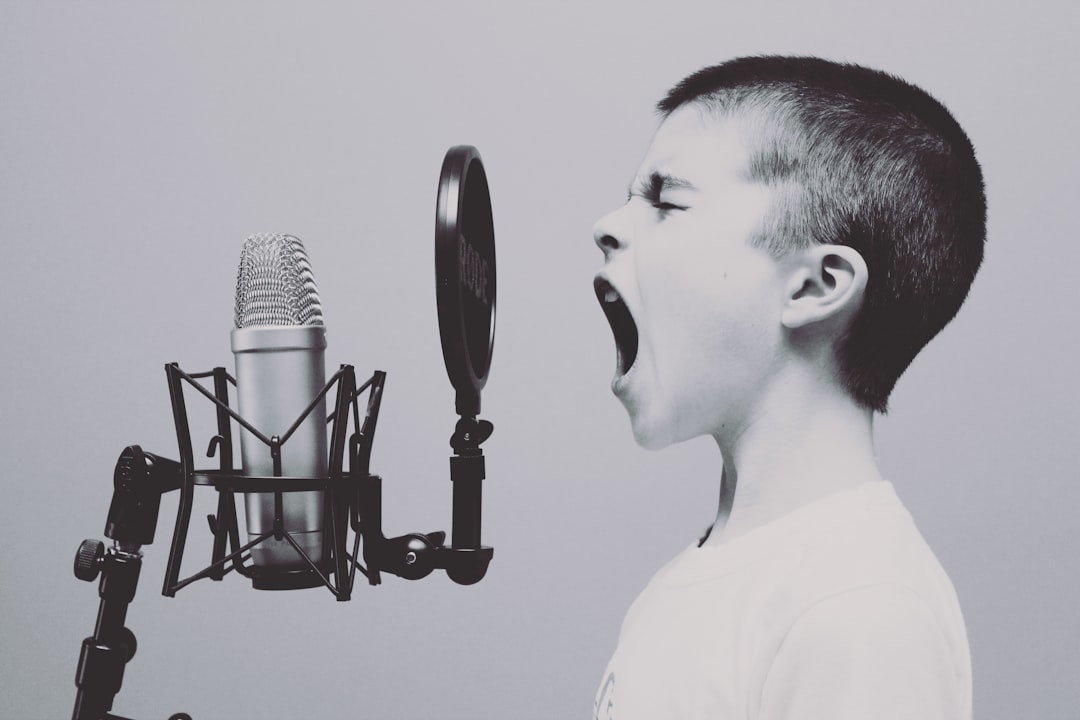
As we’ve explored, Audio AI is not just a buzzword; it’s a transformative technology reshaping how we create, consume, and interact with sound. From enhancing music production to powering virtual assistants, the capabilities of Audio AI are vast and varied.
Key Positives:
- Versatility: Audio AI applications span multiple industries, including entertainment, healthcare, and education.
- Efficiency: AI tools streamline processes like transcription, music generation, and sound editing, saving time and resources.
- Innovation: Continuous advancements in AI models and architectures promise even more exciting developments in the future.
Potential Drawbacks:
- Data Privacy Concerns: The use of audio data raises questions about user privacy and data security.
- Bias and Accuracy Issues: AI models can inherit biases from their training data, leading to less accurate results in diverse contexts.
In summary, we confidently recommend embracing Audio AI technologies, whether you’re a content creator, a business professional, or simply an audio enthusiast. The future of sound is here, and it’s powered by AI! 🎶✨
Recommended Links
👉 Shop Audio AI Products:
- Encord: Encord Official Website
- LANDR: LANDR Official Website
- Amper Music: Amper Music Official Website
- ElevenLabs: ElevenLabs Official Website
Relevant Books on Amazon:
- Deep Learning for Audio Signal Processing
- Artificial Intelligence for Music Production
- The Art of Music Production: The Theory and Practice
FAQ

What are the applications of AI in music production and audio engineering?
AI is revolutionizing music production and audio engineering in several ways:
1. Automated Mixing and Mastering
AI tools can analyze audio tracks and automatically adjust levels, EQ, and compression to achieve a polished sound. Services like LANDR offer automated mastering that saves time for musicians.
2. Music Composition
AI can generate original compositions based on user inputs or existing musical styles. Platforms like Amper Music allow users to create custom tracks without needing extensive musical knowledge.
3. Sound Design
AI can create unique sound effects and textures, expanding the creative possibilities for sound designers in film and gaming.
Read more about “What is Professionally Generated Audio? 10 Key Insights to Know! 🎧 …”
How does AI-powered noise reduction improve audio quality in sound gear?
AI-powered noise reduction uses machine learning algorithms to analyze audio signals and identify unwanted noise. By distinguishing between the desired audio and background noise, these systems can effectively filter out distractions, resulting in clearer sound quality. This technology is particularly beneficial in environments with high ambient noise, such as recording studios or live performances. Brands like Bose and Sony utilize AI in their noise-canceling headphones to enhance user experience. 🎧
Can AI-generated audio be used to create realistic sound effects for film and video productions?
Absolutely! AI-generated audio can produce highly realistic sound effects that enhance the viewer’s experience. By analyzing existing sound libraries and learning from various audio samples, AI can create new sounds that fit specific scenes or moods. This capability is already being explored in film and video game production, where sound designers can generate unique effects without extensive manual labor.
What role does AI play in the development of smart speakers and voice assistants with advanced audio capabilities?
AI is at the heart of smart speakers and voice assistants, enabling them to understand and respond to user commands. Through natural language processing (NLP) and machine learning, these devices can learn from user interactions, improving their accuracy and responsiveness over time. Additionally, AI enhances audio playback quality by optimizing sound settings based on the environment and user preferences. Brands like Amazon (Alexa) and Google (Google Assistant) leverage AI to provide seamless and intuitive audio experiences.
Reference Links
- Statista – Speech and Voice Recognition Market
- Encord – Exploring Audio AI
- Vice – How I Broke Into a Bank Account With an AI-Generated Voice
- ElevenLabs Official Website
- Bose Noise-Canceling Technology
- Sony Noise-Canceling Headphones
With Audio AI continuing to evolve, we can only imagine the incredible advancements that lie ahead. Stay tuned for more updates in the world of sound! 🎶🚀